
 E-Paper



Brain tumours: Causes, treatment, prognosis, 8 new alternatives for patients

 Prefer HTon Google


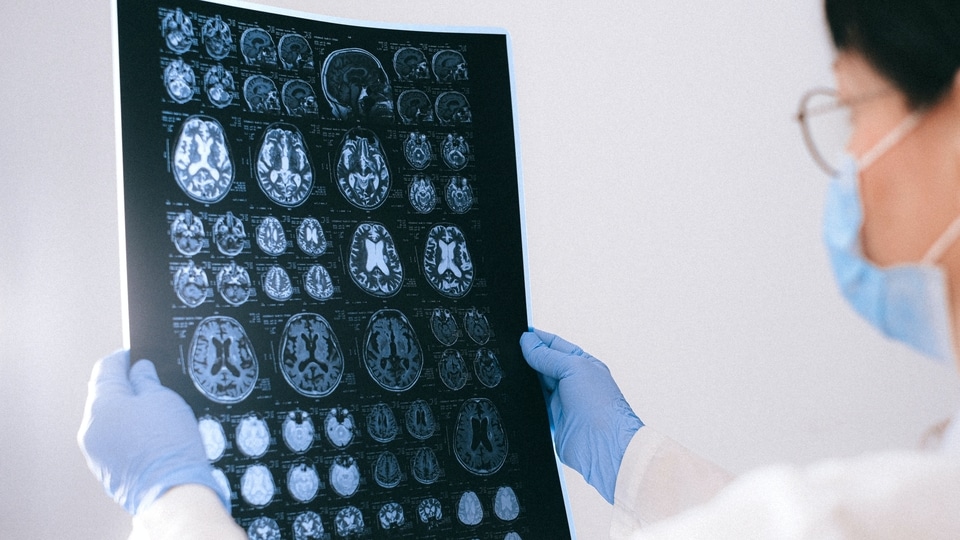
Clinical trials may provide new alternatives for brain tumour patients. Here are the causes, treatment, prognosis and 8 new alternatives for patients
A brain tumour is a collection of abnormal cells that form in or near the brain and tumours have the ability to damage healthy brain cells directly or they can also harm healthy cells indirectly by crowding other brain sections and generating inflammation, oedema and pressure within the skull. Brain tumours can be either malignant or benign where brain cancer is another name for a malignant tumour that spreads quickly and frequently infiltrates healthy brain regions but benign brain tumours do not contain cancer cells and develop slowly.
In an interview with HT Lifestyle, Dr Pankaj Agarwal, Senior Consultant Neurologist and Head of the Department of Neurology at the Global Hospitals in Parel Mumbai, shared, “Brain tumours can be either primary or metastatic. Primary brain tumours start in the brain. Metastatic tumours arise when cancer cells from other parts of the body break free and move to the brain. As a result, metastatic brain tumours nearly invariably be malignant, whereas initial brain tumours might be benign or malignant.”
Causes of Brain Tumours
Dr Pankaj Agarwal revealed, “The majority of brain tumours contain defects in cell cycle regulatory genes, resulting in uncontrolled cell proliferation. These abnormalities are produced by changes in the genes themselves or by chromosomal rearrangements that modify the function of a gene. Patients with specific hereditary diseases (neurofibromatosis, von Hippel-Lindau disease, Li-Fraumeni syndrome, and retinoblastoma) are also more likely to develop central nervous system tumours.”
He added, “There have also been examples of children in the same family having brain tumours despite the absence of any of these inherited disorders. Some substances have the potential to alter the structure of a gene that protects the body from sickness and cancer. Researchers have been looking at the parents of children with brain tumours and their previous exposure to particular substances, such as pesticides and petroleum products.”
Brain Tumour Treatment
Dr Pankaj Agarwal said, “People with brain tumours have greater hope than ever before. Research has contributed to the development of sophisticated therapies such as tumour-treating fields and other advances. The kind, size and location of the tumour, as well as your symptoms, general health and treatment choices, will all influence how you are treated for a brain tumour.” According to him, following are the primary therapeutic options for a brain tumour:
- Surgery
- Radiation treatment
- Chemotherapy
- Drug treatment with a specific goal in mind
- Cancer treatment fields
- Clinical studies
- Rehabilitation and follow-up care
Prognosis
Dr Pankaj Agarwal explained, “Your medical team analyses all of the data from your diagnostic tests to determine your prognosis. The prognosis indicates the likelihood that the brain tumour will be cured.” He highlighted that the following factors can have an impact on the prognosis of persons with brain tumours:
- The nature of the brain tumour.
- The rate at which the brain tumour is expanding.
- The location of the brain tumour within the brain.
- Which DNA alterations can be seen in brain tumour cells
- Whether the brain tumour can be entirely eliminated with surgery.
- Your general health and happiness.
Brain Tumour: Latest Research
Pointing out that doctors are attempting to understand more about brain tumours - how to avoid them, how to cure them and how to care for patients who have been diagnosed with one, Dr Pankaj Agarwal asserted that clinical trials may provide new alternatives for patients in the following areas of study. Always consult your doctor to determine the best diagnostic and treatment choices for you. Here are 8 of them:
- Improved imaging testing - New imaging scan techniques are being investigated. These may aid doctors in tracking how well therapy is working and monitoring for tumour recurrence or development.
- Biomarkers - Researchers are investigating biomarker tests that may aid in the diagnosis of a brain tumour, estimating a patient's prognosis, and/or predicting if a certain therapy will be effective. A biomarker, as defined in Diagnosis, is a chemical discovered in your blood, urine, or bodily tissue. Biomarker testing provides the clinician with more information about the malignancy.
- Immunotherapy - Immunotherapy, also known as biological response modifier (BRM) therapy, boosts your immune system's capacity to target cancer cells by utilising your body's inherent defences. For brain tumours, many techniques are being investigated, including as the use of dendritic cells or vaccinations targeting a specific chemical on the surface of tumour cells. Several approaches are being tried in clinical studies right now.
- Oncolytic virus treatment - This treatment employs a virus that infects and kills tumour cells while leaving healthy brain cells alone. It is now being studied as a potential therapy for brain tumours.
- Therapy that is targeted - This form of drug therapy, as described in Types of Treatment, targets defective genes or proteins in the tumour that contribute to tumour growth and development. The use of various medicines for brain tumours that target the many ways a tumour develops, spreads, and can be killed is still being researched.
- Disruption of the blood-brain barrier - This method temporarily weakens the brain's natural protective barrier, allowing chemotherapy to reach the brain more easily from circulation.
- New medications and drug combinations - Researchers are considering employing medications now used to treat other forms of cancer to treat a brain tumour. Furthermore, medication combinations that target the many ways a tumour develops and spreads are being investigated. Because tumours can acquire resistance to chemotherapy, which means the treatment will eventually cease functioning, another strategy is to utilise a medicine that addresses how tumour cells build resistance.
- Therapy with genes - This treatment aims to replace or repair faulty genes that are either causing or assisting tumour development.
Dr Pankaj Agarwal concluded, “As with any malignancy, prognosis and long-term survival vary widely from person to person. For the best prognosis, prompt medical treatment and intensive therapy are essential. A youngster with a brain tumour must have continuous follow-up care. Radiation and chemotherapy side effects, as well as second malignancies, can arise in brain tumour survivours. Long-term rehabilitation for lost motor skills and muscular strength may be necessary. Physical and occupational therapists, as well as speech therapists, may be involved in some type of rehabilitation. More research is needed to enhance therapy, reduce the adverse effects of medication, and establish a cure for this condition. New strategies for improving therapy and reducing adverse effects are constantly being developed.”


