
 E-Paper



Normal weight doesn't always mean a healthy liver: Surgeon explains why Indians in their 20s and 30s are developing fatty liver

 Prefer HTon Google


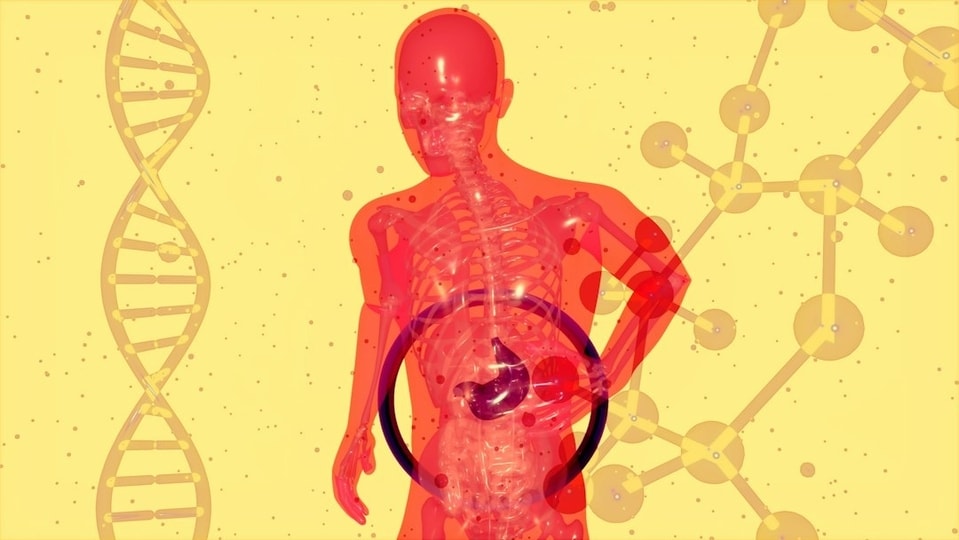
Fatty liver often progresses silently and a common misconception is that it only occurs in people who are overweight. Dr Sharma shares how to prevent it.
Fatty liver disease is increasingly being seen in younger adults, with doctors raising concerns about excess fat accumulation in the liver among people in their 20s and 30s. What makes the trend particularly worrying is that many of those affected may not consider themselves unhealthy at all. They could be working full-time, exercising occasionally and avoiding alcohol, yet still develop changes in the liver.
The condition can develop quietly, without obvious symptoms, which means it is often discovered incidentally during a routine health check-up or an ultrasound for another complaint.
In a conversation with HT Lifestyle, Dr Pankaj Sharma – director of the Department of Robotics, Bariatric, Laparoscopic and General Surgery at Fortis Hospital, Shalimar Bagh and founder of Shalya Clinic in Rohini, New Delhi – explains, “Many young people assume that if they are not drinking alcohol or do not look overweight, their liver must be healthy. That is not necessarily true. Abdominal fat, insulin resistance, poor dietary habits and a sedentary lifestyle can all contribute to fat accumulation in the liver.”

Why are young Indians developing fatty liver?
According to the surgeon, one major factor is the changing lifestyle. He highlights, “Long working hours, frequent food delivery, sugary drinks, highly processed foods, inadequate sleep and limited physical activity can create the metabolic environment in which the fatty liver develops.”
Moreover, genetics and the higher susceptibility of many Indians to metabolic problems at lower body weights may also contribute to the risk. This means that a person can carry significant visceral, or abdominal, fat without appearing visibly overweight or obese, making metabolic health concerns easy to overlook based on appearance alone.
Fatty liver progresses silently
Early fatty liver often has no specific symptoms. Some people may experience fatigue, heaviness or discomfort in the upper right abdomen, but these complaints are neither specific nor always present. That is why assuming “I feel fine, so my liver is fine” can be misleading.
“Fatty liver can remain silent for years. The concern is not simply the fat itself, but what can happen if the condition progresses. In some patients, persistent liver inflammation can eventually lead to fibrosis, cirrhosis and other complications. Identifying the problem early gives us a much better opportunity to intervene,” notes Dr Sharma.

Normal weight does not guarantee healthy liver
One of the biggest misconceptions among young adults is that fatty liver only affects people who are visibly overweight. In reality, some people with a normal BMI can have excess visceral fat and metabolic abnormalities.
Dr Sharma highlights that waist circumference, blood sugar, cholesterol, blood pressure and liver-related tests can provide a more complete picture of metabolic health than body weight alone.
How can young adults prevent fatty liver?
According to the surgeon, the first step is to look at the overall lifestyle rather than searching for a single “liver detox”. He recommends reducing excess sugar and highly processed foods, improving protein and fibre intake, exercising regularly, getting adequate sleep and maintaining a healthy waist circumference – which can all support metabolic health.
For people who already have obesity or metabolic complications, simply trying repeated crash diets may not be enough. A doctor can assess the severity of the problem and discuss appropriate medical or weight-management options.
“Fatty liver should not be treated as something that happens only in old age or to people who drink alcohol. For a young person, it can be an early warning sign of broader metabolic health problems. The goal is not to fear the diagnosis, but to recognise it early and address the underlying causes before liver damage becomes difficult to reverse,” concludes Dr Sharma.
Note to readers: This article is for informational purposes only and not a substitute for professional medical advice. Always seek the advice of your doctor with any questions about a medical condition.
Dr Pankaj Sharma is Director of Robotics, Bariatric, Laparoscopic and General Surgery at Fortis Hospital, Shalimar Bagh, and founder of Shalya Clinic, Rohini. With over 27 years of experience, he specialises in minimally invasive, robotic, bariatric and advanced anorectal and venous procedures.


Catch your daily dose of Fashion, Taylor Swift, Health, Festivals, Travel, Relationship, Recipe and all the other Latest Lifestyle News on Hindustan Times Website and APPs.


