
 E-Paper



Cardiologist reveals high sodium diet may weaken heart's ability to pump blood, suggests how to reverse the damage

 Prefer HTon Google


Sodium affects the heart's muscle function over time, straining the pumping capacity. Find out which diet helps to undo the damage of high-sodium intake.
Excess salt negatively impacts heart health. Typically, salt is associated with high blood pressure risks, but the dangers also extend to cardiovascular health. Dr Sameer Pagad, director of intervention cardiology at Nanavati Max Super Speciality Hospital, Mumbai, shared with HT Lifestyle in an interview that with excessive sodium or salt intake, there's a higher risk of developing heart diseases.
The cardiologist pointed out that a high-sodium diet targets the heart's muscle function, disturbing the ability to pump blood. How it happens, he explained, “Sodium is found to thicken the heart walls, causing a condition known as left ventricular hypertrophy. As the condition progresses, the heart finds it difficult to pump blood efficiently. The sodium-rich diet also alters the calcium levels in the heart cells, affecting their ability to contract and relax, dramatically increasing the chances of heart failure.”
How to reverse the ill effects of a high-sodium diet?

Now that you are aware of how high salt intake strains your heart, to the extent of affecting the heart's main function, let's see how you can reverse the ill effects of a sodium-rich diet if you have been on one for some time.
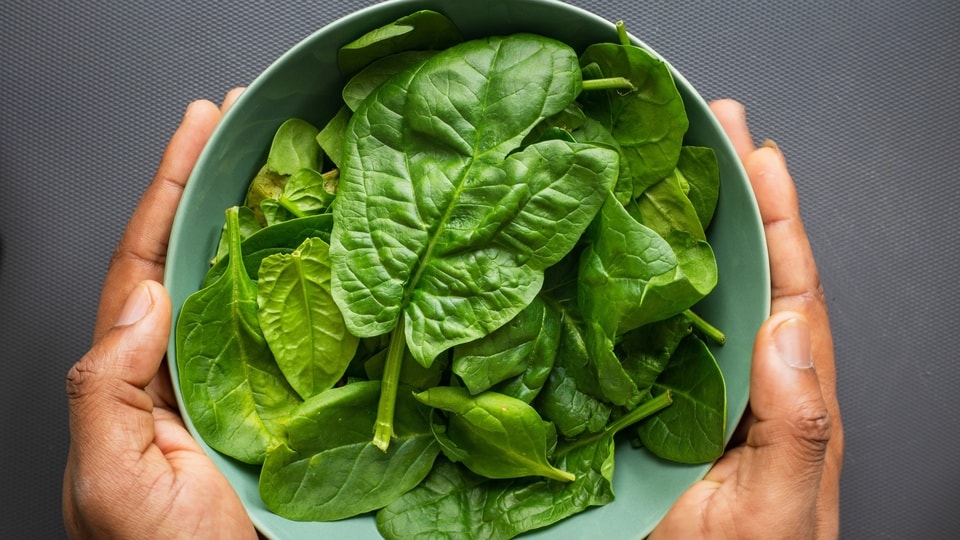
Dr Sameer Pagad recommended eating potassium-rich foods to reverse sodium's effects. He said, “Eat potassium-rich foods, including vegetables such as spinach, amaranth, fenugreek, bottle gourd, pumpkin, etc. Also consume fruits like banana, guava, oranges or mosambi, pomegranate and papaya. Include pulses like moong, masoor, chana, and rajma in your diet.”
Along with this, for hydration, he suggested adding a glass of tender coconut water to your routine.
Now what about non-vegetarians? For them, the cardiologist recommended eating foods that contain Omega-3 fatty acids. Elaborating more about the sources, “Non-vegetarians should consume fish rich in omega-3 fats, which are considered to be anti-arrhythmic and cardioprotective. One to two meals a week can be inclusive of sardines, bangda, Indian salmon or raavas.”
All in all, the cardiologist advised to prioritise naturally available foods over supplements, and suggested personal consultation with a cardiologist or a dietician before changing or adding anything to your diet.
What is the safe limit for salt intake?
Even if you decide to add salt to your food for the purpose of taste, make sure it is within the safe limit. According to Dr Sameer Pagad, reducing even 1g of salt intake in your diet can substantially improve the blood pressure levels. He added, "If you want to keep your heart healthy, limit your sodium intake to approximately 2 g per day and reduce the chances of developing hypertension, arrhythmias, coronary events, stroke or heart failure.”
Maintaining low-salt intake along with eating potassium-rich foods helps to protect your cardiovascular health in the long run.
Note to readers: This article is for informational purposes only and not a substitute for professional medical advice. Always seek the advice of your doctor with any questions about a medical condition.


Catch your daily dose of Fashion, Taylor Swift, Health, Festivals, Travel, Relationship, Recipe and all the other Latest Lifestyle News on Hindustan Times Website and APPs.


