
 E-Paper



Cardiologist shares 3 types of foods he ate to lose hidden fat and protect his heart health
Cardiologist Dr Sundeep Mishra recommends adding fatty fish, leafy greens, and whole grains to your diet to reduce visceral fat and improve heart health.

 Prefer HTon Google


As more people become aware of the dangers of hidden visceral fat, many are working to improve their heart health. To manage this type of fat effectively, it is important to employ effective techniques. Team Health Shots spoke with cardiologist Dr Sundeep Mishra, Chairman of Cardiac Sciences at Ujala Cygnus Group of Hospitals, who shared three simple dietary changes he made to reduce hidden fat. These changes can help lower visceral fat and improve heart health, making them important for anyone seeking to enhance their overall well-being.
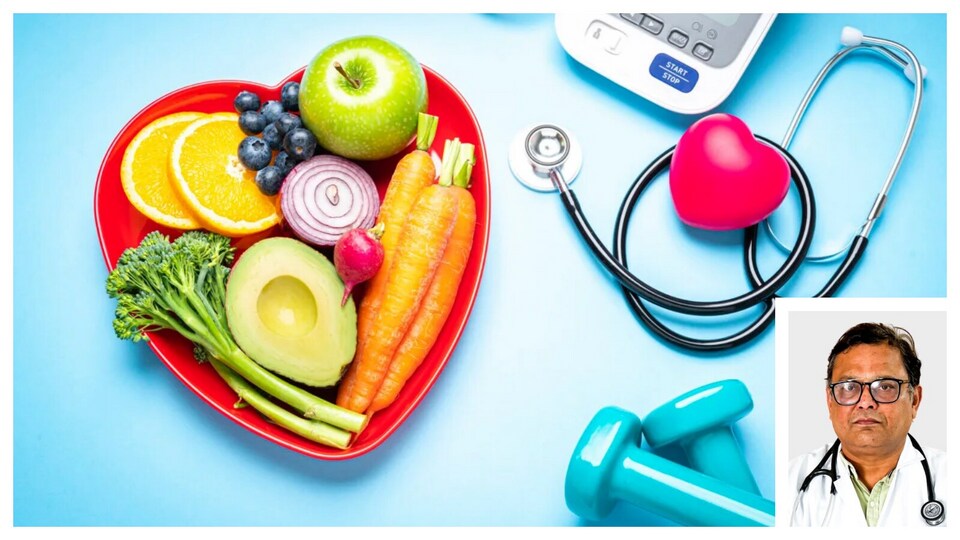

Dr highlighted the dangers of hidden fat, also known as visceral fat, for heart health. “This fat surrounds important organs, including the liver, pancreas, and heart. It can release harmful substances that raise the risk of heart disease, diabetes, and high blood pressure.” There is no miracle food to eliminate visceral fat quickly. Instead, he emphasises a balanced approach that includes a healthy diet, lifestyle changes, and regular exercise to reduce this harmful fat and improve heart health.
What is visceral fat?
Visceral fat is different from subcutaneous fat, which you can feel under the skin. It is active in the body and can be harmful, as it releases substances that cause inflammation and serious health problems. Due to this, Dr Mishra recommends that "patients pay attention to their diet and the choices they make in their daily lives. This can help reduce visceral fat and improve heart health."
Heart-friendly diet
This meal plan is designed to improve heart health and reduce the risk of heart disease. It mainly focuses on three food groups:
Fatty fish
- Benefits: Fatty fish like salmon, mackerel, and sardines are rich in omega-3 fatty acids. These healthy fats help reduce inflammation and support heart health. "Incorporating fatty fish into your meals a few times a week to help create a heart-healthy diet", recommends Dr Mishra.
- Reduction of inflammation: Omega-3 fatty acids help reduce systemic inflammation, a critical factor in preventing heart disease.
- Improved cholesterol ratios: By improving HDL/LDL ratios, fatty fish can contribute to better heart function.
- Visceral fat loss: Patients who incorporate fatty fish into their diet often experience a reduction in waist circumference of 1–2 cm without needing to reduce their calorie intake significantly.
2. Leafy greens
- Benefits: Leafy greens, such as spinach, kale, and broccoli, are rich in nutrients and play a critical role in maintaining heart health. "Incorporating a variety of leafy greens into salads, smoothies, and cooked meals to help reduce fat and improve heart health", recommends Dr Mishra.
- Low in calories and high in fibre: This combination promotes feelings of fullness while supporting digestive health, making it easier to manage weight.
- Gut health support: The fibre in leafy greens feeds beneficial gut bacteria, which produce short-chain fatty acids with anti-inflammatory properties.
- Antioxidant properties: These greens work as antioxidants in the body, promoting vascular health and protecting the heart as fat levels decrease.
3. Whole grains
- Benefits: Whole grains, such as oats, quinoa, and brown rice, are important for a heart-healthy diet, offering numerous benefits. "Patients to replace refined grains with whole grains, as this simple dietary change is directly linked to a reduction in visceral fat", advises Dr Mishra.
- High fibre content: The fibre in whole grains helps regulate insulin levels and slow digestion, reducing sugar spikes and abdominal fat storage.
- Improved insulin sensitivity: This effective management of insulin can lead to decreased visceral fat over time.
- Reduced risk of heart disease: Consuming whole grains instead of refined carbohydrates has been linked to lower visceral fat levels and improved cardiovascular health.
What is the best way to eliminate visceral fat?
To achieve the best results, these food choices should be part of a balanced lifestyle. Dr Mishra shared some important suggestions:
- Regular physical activity: Engaging in regular exercise helps maintain a healthy weight and burns visceral fat. Even moderate activities, such as walking, can make a significant difference.
- Quality sleep: Ensuring sufficient and restful sleep is important for managing stress and supporting overall metabolic health.
- Minimise sugar intake: Cutting back on added sugars and ultra-processed foods can further help prevent the accumulation of visceral fat.
(Note to readers: This article is for informational purposes only and not a substitute for professional medical advice. Always consult your doctor for any questions about a medical condition.)

Catch your daily dose of Fashion, Taylor Swift, Health, Festivals, Travel, Relationship, Recipe and all the other Latest Lifestyle News on Hindustan Times Website and APPs.


