
 E-Paper



Cervical Cancer: Gynaecologist answers 6 frequently asked questions about the Pap Smear Test for early detection
A Pap Smear Test typically detects cell changes in your cervix that could lead to cervical cancer. This is an important screening for early detection.

 Prefer HTon Google


The World Health Organization says cervical cancer is one of the most preventable and treatable cancers. Yet, it affects a large number of women who can go undiagnosed as it does not show many symptoms in early stages. This makes routine screenings, including the Pap Smear Test, an important tool for early detection of cervical cancer. Although cervical cancer develops slowly, if left untreated, it can progress aggressively and spread to other parts of the body. A Pap smear test is a quick screening, which is often mired in myths. For Cervical Cancer Awareness Month, observed every January, we asked a gynaecologist some of the most common questions about Pap Smear.

Dr Alka Chaudhary, an obstetrician and gynecologist at Rainbow Hospital, tells Health Shots: “Early detection through regular Pap smears significantly improves treatment outcomes and survival rates.”
Frequently asked questions about Pap Smear Test for cervical cancer detection
This Cervical Cancer Awareness Month, be aware of and keep an eye out for signs such as abnormal vaginal bleeding, unusual discharge, pain during intercourse, and pelvic pain, and don't skip any treatment procedures. When discussing the Pap smear test, people may have several questions, some of which are answered by doctors:
1.What is a Pap smear test?
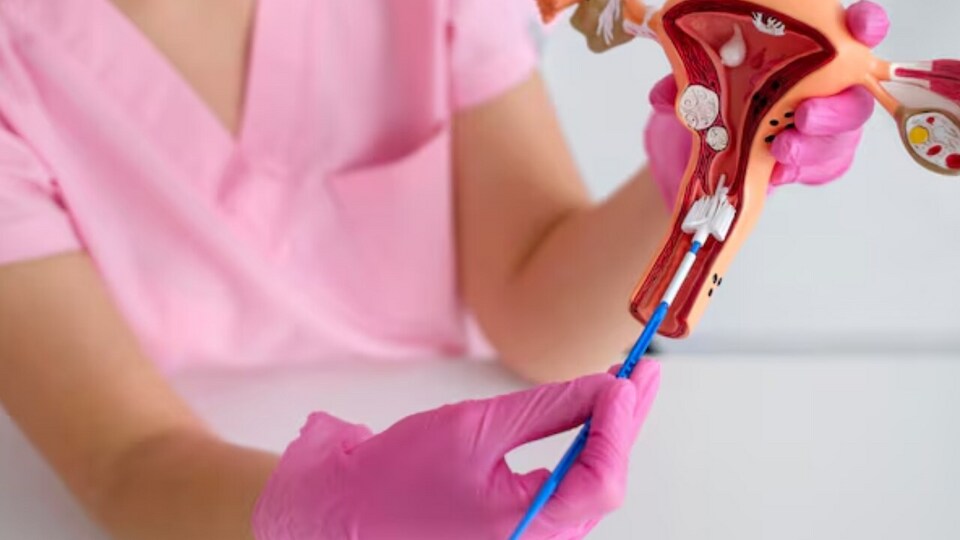
Pap Smear Test is a procedure in which a small brush is used to gently remove cells from the cervix's surface and surrounding area so that they can be examined under a microscope to detect cervical cancer. It's a quick test that takes only take a few minutes.
According to Dr Tripti Raheja, Director of Obstetrics and Gynecology at CK Birla Hospital, the test is not painful. However, a few women experience minor discomfort during the procedure.
2. What happens if I skip the Pap smear test?
Cervical cancer is one of the types of cancer that grows silently and causes no symptoms at first. According to Dr Raheja, precancerous changes in the cervix can exist for years before they develop into cancer. The only way to diagnose it in the early or precancerous stage is through regular screening, such as the "Pap Smear Test." She explains that by the time symptoms such as abnormal bleeding, foul-smelling discharge, or pelvic pain appear, the disease has usually progressed to a more advanced stage, making treatment more difficult.
3. How to make pap smear test less painful?
Dr Raheja says if the test makes some people nervous, they may use the following ways to avoid discomfort or pressure:
- Relax your pelvic muscles as tension increases discomfort, and inform your doctor immediately if you experience any pain.
- Schedule the test when you don’t have periods.
- Avoid intercourse and vaginal medicines or douching 48 hours before the test.
4. How long does it take to get the result of a Pap smear test?
Usually it takes 3-7 days to get the results depending on the laboratory.
5. What should be avoided before a Pap smear test?
To ensure the accurate results, Dr Chaudhary suggests certain precautions:
- Avoid sexual intercourse before a Pap Smear Test
- Avoid vaginal douching
- Do not use vaginal creams, medications, and tampons.
These should avoided for at least 24–48 hours before the test. These can wash away or obscure cervical cells, affecting the accuracy of the results. The test should also ideally not be done during menstruation. So, scheduling it about 10–20 days after the first day of the last period is recommended, unless advised otherwise by a doctor.
6. What cancers does a Pap smear test detect?
A Pap smear test primarily helps to detect cervical cancer by identifying abnormal or pre-cancerous changes in cervical cells at an early stage. It does not directly diagnose cancer but serves as an effective screening tool to flag early warning signs before cancer develops. When combined with HPV testing, it also helps to diagnose infections with high-risk human papillomavirus (HPV) types, which are responsible for most cases of cervical cancer. Early detection through regular Pap smears significantly improves treatment outcomes and survival rates.
(Note to readers: This article is for informational purposes only and not a substitute for professional medical advice. Always seek the advice of your doctor with any questions about a medical condition.)

Catch your daily dose of Fashion, Taylor Swift, Health, Festivals, Travel, Relationship, Recipe and all the other Latest Lifestyle News on Hindustan Times Website and APPs.


