
 E-Paper



Clinical psychologist shares tips for parents to prevent burnout in school children: Non-academic days, play-rest-learn

 Prefer HTon Google


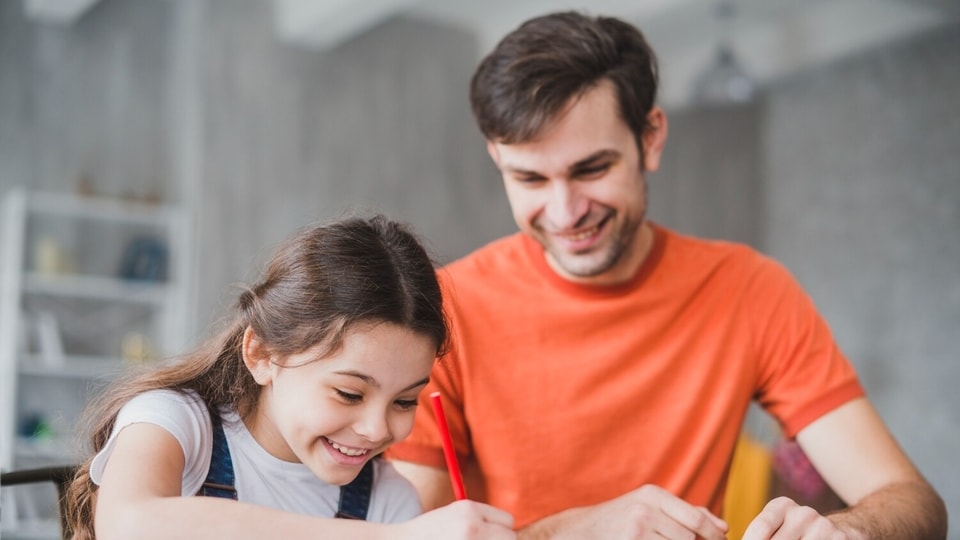
Young kids are at risk of burnout. Parents need to adopt strategies which help maintain a healthy balance between academic, play and rest.
School children are at risk of burnout, a state of complete mental, physical and emotional exhaustion. Young kids face rigorous academic pressures, along with extracurricular demands. Alongside these, add the looming tension of future higher studies, which only contributes to their stress. This is where parents need to step in and support them.
ALSO READ: Children being difficult? Kidulting is the fun parenting strategy that makes it easy
To understand how parents can help their children, Meghna Kanwat, clinical psychologist at Lissun, shared with HT Lifestyle some key hacks and techniques that may assist.
“First, setting realistic goals and expectations, not driven by perfectionism, helps reduce anxiety in children. Parenting stress and parental burnout themselves have been shown to contribute to children’s academic and learning burnout via pathways involving harsh discipline or psychological distress,” the psychologist shared, highlighting the need to manage one's own stress as a parent. If the parents themselves begin to stress, it also stresses the child out. Meghna emphasised that parents should adopt a gentler approach, especially when kids are already stressed.
The psychologist further added, “Second tip is strengthening the parent-child relationship by open communication, emotional responsiveness, and nurturing resilience serves as a buffer.” This means that when parents respond with empathy, children feel safe and heard.
To address burnout, parents should be able to identify the signs early. The psychologist revealed that these include fatigue, cynicism, dropping grades, and withdrawal. She also emphasised that empathy is crucial as validating the child's experience ensures parent-child communication remains open and supportive.
Now that you are aware of the general strategies and techniques, let's look at more specific approaches for primary and secondary children as they face different pressures and may require different methods.
Primary school children
“For primary school children, parents can help by ensuring balanced schedules that include unstructured play, rest, and varied kinds of activity (build ‘Play–Rest–Learn’ Balance) rather than overloading with too many competitive or high-pressure tasks," Meghna said, highlighting the importance of giving children space to explore, recharge and develop at their own pace instead of pilling up academic responsibilities so early on in school life which may lead to stress.

Secondary school children and older
Suggesting the techniques for older school children, the psychologist explained, “For older, secondary school students, in addition to the above, parents can encourage and teach self-regulation skills (deep breathing, grounding exercise), help adolescents reflect on their values and priorities, maintain strong school connection (so the student feels supported rather than simply evaluated), schedule ‘Non-Academic Days’”
Note to readers: This article is for informational purposes only and not a substitute for professional medical advice. Always seek the advice of your doctor with any questions about a medical condition.


Catch your daily dose of Fashion, Taylor Swift, Health, Festivals, Travel, Relationship, Recipe and all the other Latest Lifestyle News on Hindustan Times Website and APPs.


