
 E-Paper



Did you know that the bleeding you get on birth control pills is not a real menstrual period? Doctor explains

 Prefer HTon Google


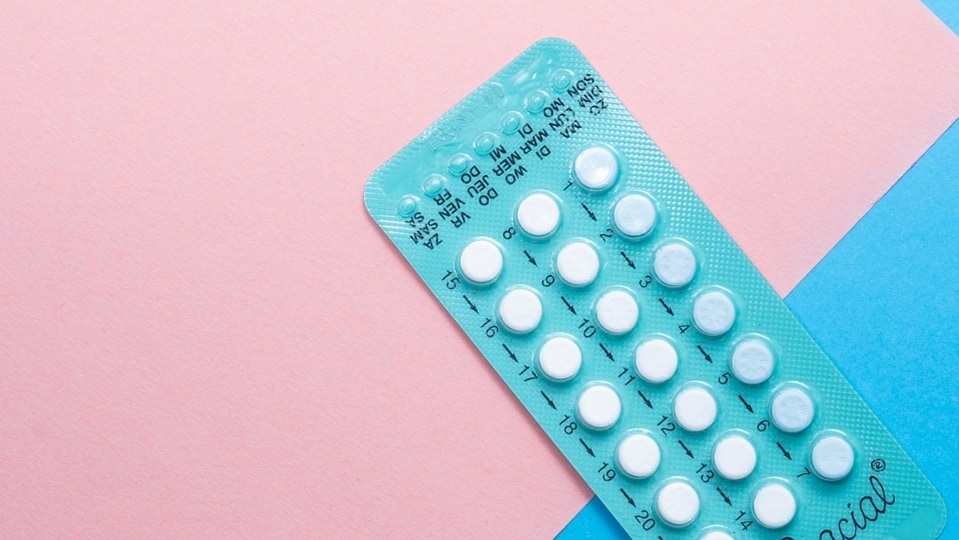
If you use birth control pills, you might get a light bleed at the end of the pill cycle. However, Dr Sood points out that it's not a real menstrual period.
Birth control pills are commonly used to regulate hormones, prevent pregnancy, and help maintain a predictable monthly cycle. For many people taking the pill, the bleeding that occurs at the end of each cycle is often assumed to be a regular menstrual period. However, what many do not realise is that this bleed may not actually be a true period at all. So if it is not a natural menstrual cycle, what exactly is happening in the body during that week?
Dr Kunal Sood, an anaesthesiologist and interventional pain medicine physician, is breaking down the mystery behind the often-misunderstood placebo week in birth control pills. In an Instagram video shared on March 15, the physician explains that the bleeding people experience at the end of a pill cycle is not actually a true menstrual period and addresses the common question of whether this withdrawal bleed is medically necessary.
Mechanism of birth control pills
According to Dr Sood, the bleeding that occurs while taking birth control pills is not actually a true menstrual period. He explains that a natural menstrual cycle is driven by fluctuations in reproductive hormones, which cause the uterine lining to thicken in preparation for a potential pregnancy. If the egg released during ovulation is not fertilised, hormone levels drop and the uterine lining sheds, resulting in a menstrual period.
He elaborates, “The period you get on many birth control pills isn't actually a true menstrual period. Here's why. A natural menstrual period happens when hormone levels rise and fall during a normal cycle, causing the lining of the uterus to build up and then shed.”
However, when you are on hormonal birth control pills, the mechanism works differently, the physician points out. These medications suppress ovulation and keep hormone levels relatively steady throughout the month, which prevents the uterine lining from thickening in the same way it would during a natural cycle. As a result, the bleeding that occurs during the final week of the pill pack is not part of a natural menstrual cycle. Instead, it is known as a withdrawal bleed, triggered when the hormones from the pills are temporarily paused.
Dr Sood explains, “Most hormonal birth control works differently. It suppresses ovulation, keeps hormone levels steady, and keeps your uterine lining very thin so the bleed that happens during the placebo week isn't a natural cycle. It's called a withdrawal bleed triggered when the hormones in the pill temporarily stop.”
Can you safely skip the withdrawal bleed?
According to the physician, the placebo week was originally introduced partly to mimic a natural menstrual cycle and make the pill feel more familiar and acceptable to users. However, from a medical standpoint, he explains that it is generally safe to continue taking the active pills without a break, effectively skipping the withdrawal bleed.
Dr Sood also notes that birth control pills are often prescribed for menstrual suppression to help manage conditions such as heavy bleeding, severe cramps, anaemia, and endometriosis. In these cases, avoiding the monthly bleed can actually be beneficial. Therefore, he emphasises that having a withdrawal bleed each month is not medically necessary.
He explains, “That placebo week was originally included decades ago partly to mimic a natural cycle and make the pill feel more familiar to users. Medically, many people can safely take active pills continuously and skip the withdrawal bleed if their clinician recommends it. In fact, menstrual suppression is often used to help manage heavy bleeding, severe cramps, anaemia, or conditions like endometriosis. So the key takeaway is this. Having that monthly bleed on birth control is not always medically required, but decisions about skipping it should be individualised with the healthcare professional.”
Note to readers: This article is for informational purposes only and not a substitute for professional medical advice. It is based on user-generated content from social media. HT.com has not independently verified the claims and does not endorse them.


Catch your daily dose of Fashion, Taylor Swift, Health, Festivals, Travel, Relationship, Recipe and all the other Latest Lifestyle News on Hindustan Times Website and APPs.


