
 E-Paper



Do you need to poop right after eating? Florida gastroenterologist explains why this happens and how you can manage it

 Prefer HTon Google


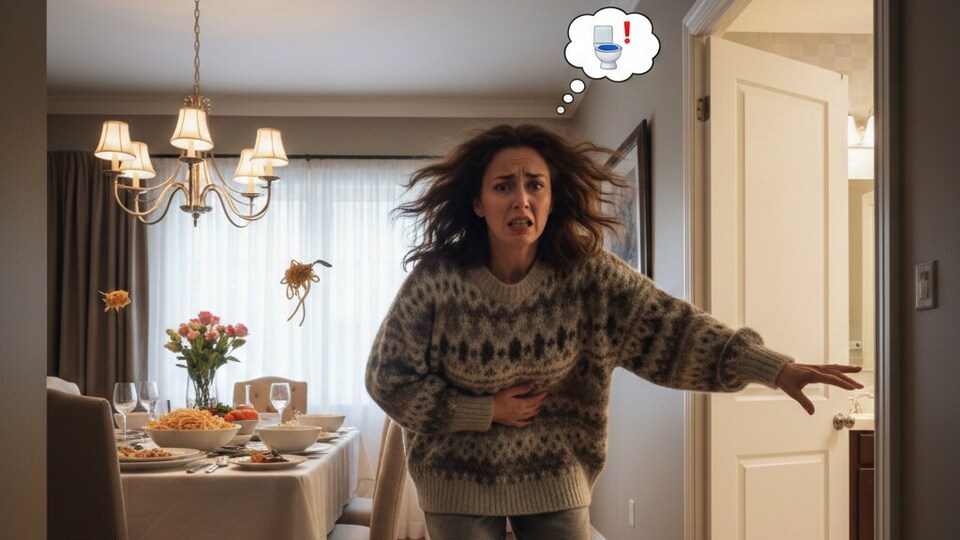
Dashing to the bathroom right after meals might feel like the food passed right through you in seconds. However, Dr Salhab notes that something else is at play.
Ever found yourself dashing to the bathroom moments after finishing a meal, wondering how on earth your body worked that fast? For many, the sudden urge to have a bowel movement right after eating can feel alarming – as though the food you just consumed was digested in seconds and rushed straight through you. Sometimes, it can even be difficult to make it to the bathroom on time. But is your meal really passing through your system that quickly, or is something else at play?
Dr Joseph Salhab, a gastroenterologist and health content creator from Florida, US, specialising in digestion, liver, pancreas, and nutrition, is breaking down why some people feel the sudden urge to have a bowel movement soon after eating. In an Instagram video shared on February 26, the gastroenterologist outlines the possible causes behind this digestive response and suggests practical strategies to help manage it effectively.
Why does this happen?
According to Dr Salhab, it is not uncommon for people to feel the sudden urge for a bowel movement almost immediately after eating - that familiar dash to the bathroom soon after a meal - but it is not because the food passed right through you. The most frequent reason behind this is an exaggerated gastrocolic reflex, a natural physiological response that is triggered when food enters the stomach. This reflex signals the colon to contract and make space for incoming food within the digestive tract. In some individuals, this response is more pronounced, leading to an urgent bowel movement shortly after eating as the body clears room in the gastrointestinal system.
The gastroenterologist explains, “If you have to poop every time you eat, you're not alone and for many, sometimes it's even tough to make it to the bathroom on time. The most common reason why this happens is a heightened gastrocolic reflex and what that means is that whenever you eat, this reflex gets stimulated to try to make more room for food in your gastrointestinal tract. And that stimulates movement of your gastrointestinal tract and that movement can manifest as a bowel movement.”
Causes of heightened gastrocolic reflex
Dr Salhab explains that individuals with IBS or specific food intolerances - such as lactose intolerance or sensitivity to high-FODMAP foods - often experience a more exaggerated gastrocolic reflex, which can trigger urgent bowel movements soon after eating. The good news, he notes, is that this response can often be managed. Identifying personal trigger foods, eliminating or reducing known irritants, and gradually increasing fibre intake to regulate bowel function can help calm the reflex.
The gastroenterologist emphasises, “A heightened gastrocolic reflex explains why certain people have to go to the bathroom right away, especially after they eat, in a syndrome we call IBS or food intolerances to lactose or FODMAPs. So, it might require some dietary changes including cutting out things like alcohol, caffeine, fatty foods, fried foods, or other known triggers. You can also try to bulk up your stool with soluble fibre with things such as psyllium husk, chia seeds, flax seeds, which might be able to help you hold it in easier. But if this continues to happen to you, obviously you need to have other reasons ruled out and you should see a gastroenterologist.”
Common triggers
Dr Salhab outlines the following as common triggers that can amplify the gastrocolic reflex:
- Large meals
- High-fat meals
- Caffeine (especially coffee)
- Very cold beverages
- High-FODMAP foods (in sensitive individuals)
- Spicy foods
- Anxiety and acute stress
- Nicotine
- Artificial sweeteners (sorbitol, mannitol)
Practical solutions
The gastroenterologist lists some practical solutions that can help manage the condition. These include:
- Eat smaller, more frequent meals
- Reduce high-fat trigger meals
- Slow down while eating
- Manage stress and nervous system activation
- Consider soluble fiber to regulate stool consistency
- Identify and reduce personal food triggers
Having to use the bathroom right after meals does not mean the food passed straight through you. It simply means the stool was already in the colon, and eating stimulated movement through the gastrocolic reflex. However, Dr Salhab highlights that if this happens frequently, is painful, wakes you from sleep, or is associated with weight loss or bleeding, you should seek medical attention.
Note to readers: This article is for informational purposes only and not a substitute for professional medical advice. It is based on user-generated content from social media. HT.com has not independently verified the claims and does not endorse them.


Catch your daily dose of Fashion, Taylor Swift, Health, Festivals, Travel, Relationship, Recipe and all the other Latest Lifestyle News on Hindustan Times Website and APPs.


