
 E-Paper



Doctor shares wake-up call for people in their 30s, warns against high risks of osteoporosis

 Prefer HTon Google


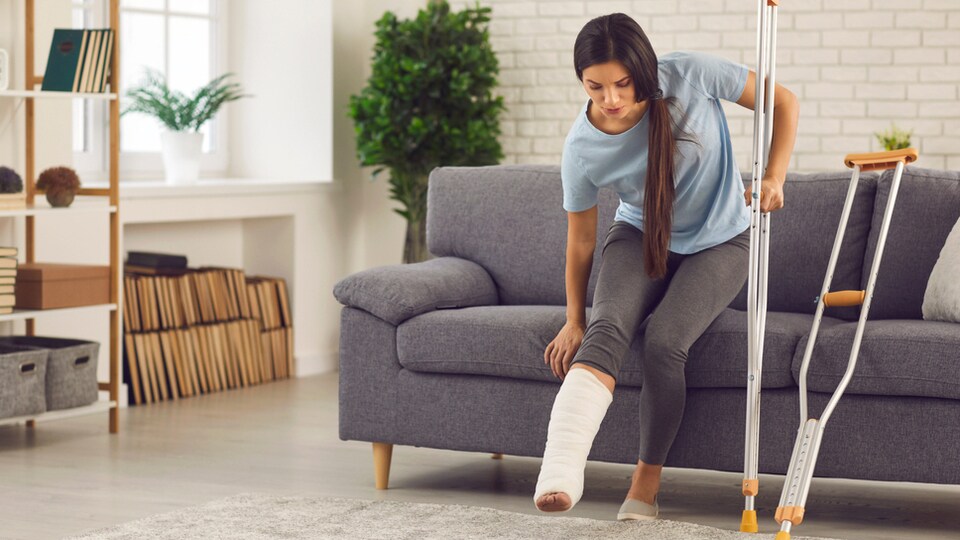
Younger generations are becoming vulnerable to brittle bones. Know why this is happening and most importantly, how women are at biggest risk than men.
If you think weak bones are a problem only for the elderly, you may be in the dark; they can affect younger generations too, now more than ever, due to concerning lifestyle choices. The image of a hunched back and walking stick among older adults may make osteoporosis seem like a distant threat for the younger generation, but the reality is far more sobering and worrisome.
In an interview with HT Lifestyle, Dr Bilal Thangal T. M., Medical Lead at NURA, unpacked the truth about younger adults developing osteoporosis more than ever before.
Explaining the basics, he said, “Osteoporosis is a serious disease that increasingly affects young adults these days. A salient feature of this disease is that it attacks bones slowly and silently. Primarily, it occurs as a result of lifestyle changes. Osteopenia is the first stage, and it will progress to osteoporosis if not treated properly. Initially, most patients consult doctors for complaints such as fatigue, weakness, backache, and knee pain. The disease may remain dormant until a fracture occurs due to a minor mishap.”
Dr Bilal Thangal shared an entire guide, responding to important questions one may have regarding osteoporosis:
What happens to your bones after 30?
- Osteoporosis is connected with declining bone mineral density (BMD). It reduces bone strength and makes bones weaker.
- This increases the risk of fractures from even a sudden body shake or a minor fall.
- From the 30s, bone density in women may start decreasing. When they reach their 40s, hormone deficiency, the main reproductive hormones such as estrogen and testosterone, will make the condition worse.
- Symptoms: Major symptoms of osteoporosis normally appear only in the early 40s or mid-40s. They include persistent bone pain, severe mid-backache, and multi-joint pain. Often, people complain about these problems without even realising the onset of osteopenia or osteoporosis.
Why are women more vulnerable to osteoporosis?
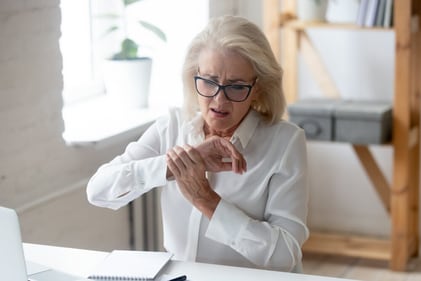
- The onset of osteoporosis is early in women. It is almost three times faster in women than in men, especially at a younger age.
- Menopause is the root cause for women: Older women, particularly in the post-menopause period, are at a higher risk due to hormonal changes, which hasten bone deterioration. Genetic factors also play a significant role.
- Why men are not at risk as much: The presence of the male hormone testosterone gives men natural protection against bone loss. Only when the age increases, in the 60s and 70s, the chances of getting the disease are equal for both men and women.
What can help with osteoporosis diagnosis?
- Only a Bone Mineral Density (BMD) scan, especially after the age of 40, can help people detect the condition early.
- The scan helps doctors measure the strength and thickness of bones by analysing the concentration of calcium and other minerals.
- It not only helps diagnose osteoporosis but also other co-morbidities like sarcopenia by assessing the condition of muscles. Sarcopenia, or muscle loss, often co-exist with osteoporosis. The condition is known as osteosarcopenia, which may entail more serious outcomes like a higher risk of falls, a longer period of treatment, and permanent weakness or disability.
Who may need regular screening?
- Women above 60 or those who are in the post-menopause period. Since they are facing hormonal changes, it may cause bone weakness.
- Chronic drinkers and chain smokers.
- The youngsters with a family history of osteoporosis or other bone-related diseases.
- Long-term users of certain medications, such as psychiatric drugs and steroids.
- Those who experience weight loss or height loss.
- Those who have a chronic deficiency in calcium and vitamin D.
What weakens bone health?
- Rising consumption of junk food
- Excess use of alcohol and smoking
- Work-life imbalance
- Insufficient sleep
- Poor dietary intake
- Lack of vitamin D
To know more about symptoms also read: Don’t ignore these signs and symptoms of Osteoporosis, tips to prevent low bone density
How to prevent osteoporosis?
1. Foods and supplements that boost bone health:
- Regular intake of calcium and vitamin D supplements, a mineral-rich diet, and medications are part of the treatment. C
- Calcium and vitamin D are essential ingredients for maintaining bone health. The absence of vitamin D is a common phenomenon. While calcium strengthens bones, vitamin D aids its smooth absorption in the body.
- Rich sources of calcium include egg, dairy products, leafy vegetables, and calcium supplements. Human body creates vitamin D from direct sunlight. Other major sources of vitamin D include oily fish, red meat, liver, egg yolks and fortified foods.
2. Lifestyle changes:
- Smoking is injurious to health and, particularly, bone health. Alcohol consumption must be limited.
- Patients must have a good work-life balance, comfortable sleep, and a peaceful life, which will help avoid the use of antidepressants and psychiatric drugs that are harmful to bones.
3. Regular exercise:
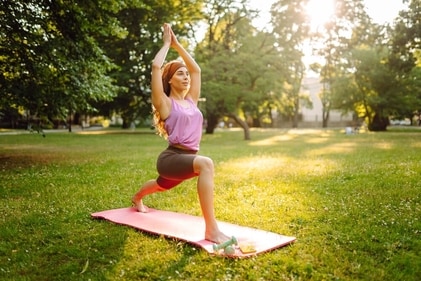
- Exercises will strengthen bones, bone mass and muscles that will allow efficient movements, reduce the risk of falls, and improve physical strength.
Note to readers: This article is for informational purposes only and not a substitute for professional medical advice. Always seek the advice of your doctor with any questions about a medical condition.


Catch your daily dose of Fashion, Taylor Swift, Health, Festivals, Travel, Relationship, Recipe and all the other Latest Lifestyle News on Hindustan Times Website and APPs.


