
 E-Paper



Endocrinologist explains hidden dangers of eating too much protein and what your optimal daily protein intake should be

 Prefer HTon Google


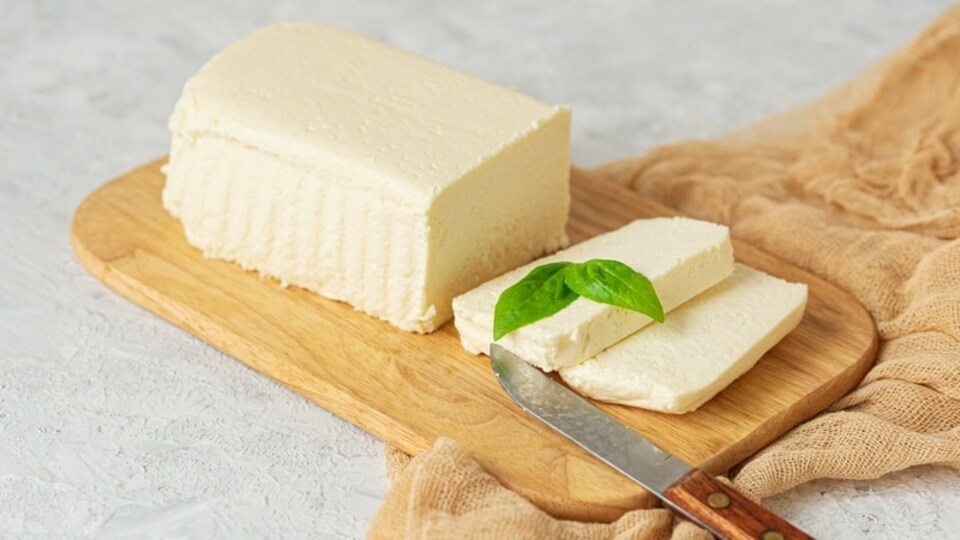
Are there risks associated with unsupervised high protein consumption? Endocrinologist shares why it is crucial to consume protein in moderation and balance.
With the constant influx of health and fitness advice on social media, many of us are told to boost our protein intake. However, questions arise: what's the ideal daily protein amount, and which foods are rich in protein? Protein is essential for cellular repair and growth, but consuming more isn't always better. Also read | Are you taking enough protein? Common signs that you have protein deficiency
In an interview with HT Lifestyle, Dr Shehla Shaikh, consultant endocrinologist at Saifee Hospital, Mumbai, spoke about the optimal daily protein intake and listed high-protein food options. She explained that protein intake varies based on factors such as age, weight, and activity level.
She said, “Recently, protein consumption among individuals has been observed to have increased remarkably and, in many cases, overly so. The trend is fuelled by other factors such as increased interest in fitness, body-building, and dietary trends. Protein is necessary, but you must also know that your need is always dependent on your weight and activity level.”
How much protein do you actually need?
According to Dr Shaikh, understanding individual protein needs and focusing on high-quality sources can help maintain a balanced diet and support overall health and well-being. The recommended amount for an individual with normal daily activity 'is approximately one gram of protein per kilogram of body weight'.
“Preferably, this protein should be from first-class sources, which are easy to digest and have high biological value. These classes of proteins supply the body with a complete package of essential amino acids needed to ensure proper growth, repair, and maintenance,” she said.
Dr Shaikh added that your needs can be greater if you are more active: “People who perform intense workouts, attend sports classes, or visit the gym on a regular basis may need about 1.2 grams of protein per kilo of body mass. In these instances, too, focus on increasing intake of first-grade sources of protein, as the body can make use of these sources more effectively than others (for instance, protein supplements).”
Why high daily protein intake is risky
According to Dr Shaikh, protein consumption becomes an issue when it is increased irresponsibly without any scientific foundation or medical control: “Excessive consumption may put undue stress on the kidneys and lead to digestive system issues and even nutrient imbalance if it replaces other nutritious components of the diet.”
High-protein foods to include in your diet
She explained that both vegetarian and non-vegetarian diets have good sources of protein. “Nuts, seeds, and tofu, among vegetarian products, are really good sources of good-quality protein. These are also very useful with non-vegetarian sources, especially seafood, which provides high biological value protein, nutrients such as omega-3 fatty acids, and others,” Dr Shaikh said, and concluded: “The trick is in moderation. Eat as much or as little protein as your body requires, and not what a fad dictates.”
Note to readers: This article is for informational purposes only and not a substitute for professional medical advice. Always seek the advice of your doctor with any questions about a medical condition.


Catch your daily dose of Fashion, Taylor Swift, Health, Festivals, Travel, Relationship, Recipe and all the other Latest Lifestyle News on Hindustan Times Website and APPs.


