
 E-Paper



Fortis gastroenterologist says don't stop eating roti, explains how to choose the best one for high protein and fibre

 Prefer HTon Google


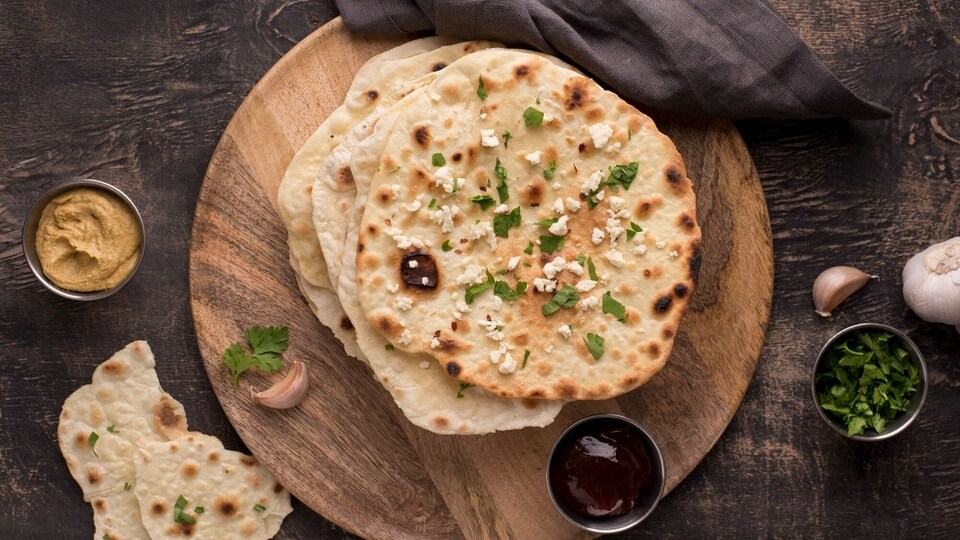
Dr Shubham Vatsya says rotis aren’t the enemy – so, skip the 'no‑roti' trend and pick the one that matches your health goal. Here's how.
In a world where carb-cutting has become the mantra for weight loss, many health and fitness experts are quick to suggest ditching the humble roti. However, Dr Shubham Vatsya, a senior gastroenterologist and hepatologist at Fortis Vasant Kunj, is challenging that narrative. Also read | Model shows no rice and roti diet for toned body; internet reacts to what he eats in a day: ‘Whey protein twice a day?’
In an October 3 Instagram video, Dr Vatsya argued that Indian rotis are far more than just 'fillers' — they are a vital dietary staple that, when selected correctly, offer significant medicinal advantages and support holistic wellness.
The problem with the no-roti trend
According to Dr Vatsya, the advice to 'stop eating roti' is often impractical for the average Indian household. While he acknowledged that standard whole wheat roti can lead to weight gain and blood sugar spikes if consumed without portion control, he added that the solution wasn't to eliminate roti, but to switch the grain.
He said, “'Stop eating roti'. This is advice you will frequently hear from many health experts nowadays, but giving up such an important staple component of Indian meals is impractical advice.” The doctor further shared: “The purpose of a roti is not merely to fill the stomach; if you make the right choice, it can positively impact everything from your blood sugar to your cardiovascular health.”
A grain for every goal
Choosing the right flour can transform a simple meal into a functional tool for disease prevention – Dr Vatsya said that while standard whole wheat can lead to weight gain if overconsumed, alternatives like jowar and bajra are excellent for managing diabetes due to their high fibre and low-calorie profiles.
Those seeking to improve bone density or iron levels should opt for ragi, whereas besan provides a protein-heavy boost for muscle recovery, he added. Even oats rotis have the ability to lower cholesterol and protect the heart. Ultimately, Dr Vatsya said that selecting the right grain transforms a simple meal into a functional tool for holistic wellness and disease prevention.
Here is Dr Vatsya’s guide to picking the best roti based on your health needs: “Whole wheat roti is the most common variety in India. While it contains complex carbs and fibre, it can cause blood sugar spikes and obesity if eaten without portion control. Jowar (sorghum) roti is the best option for those with diabetes or weight gain issues. It is gluten-free, low in calories, and its high fibre content supports gut health.”
He added, “Ragi (finger millet) roti, rich in calcium and iron, acts as a natural supplement for strengthening bones and increasing hemoglobin levels. Bajra (pearl millet) roti, also rich in iron, fibre, and protein, is an underrated food option for diabetes patients. Besan (gram flour) roti is a high-protein option that is highly useful for both weight loss and muscle repair. Oats roti contains dietary fibre and beta-glucan, and helps reduce cholesterol and supports heart health.”
He wrote in his caption, “People say stop eating rotis, but let’s be real, that’s not practical for Indians. The truth is, not all rotis are the same. From jawar for diabetes, ragi for stronger bones, bajra for protein, to oats for heart health, each one heals differently. Pick the right roti for your health, not just to fill your stomach.”
Note to readers: This report is based on user-generated content from social media. HT.com has not independently verified the claims and does not endorse them.
This article is for informational purposes only and not a substitute for professional medical advice.


Catch your daily dose of Fashion, Taylor Swift, Health, Festivals, Travel, Relationship, Recipe and all the other Latest Lifestyle News on Hindustan Times Website and APPs.


