
 E-Paper



Fortis surgeon shares festive guide for guilt-free eating so you don't have to worry about post-Diwali weight gain


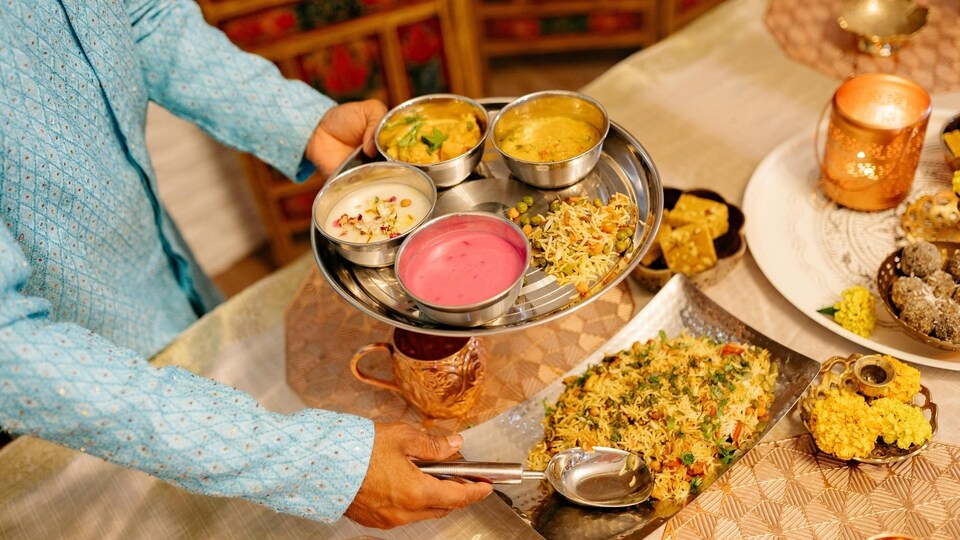
Celebrations are synonymous to indulgence, but your health does not have to bear the burden. Dr Sharma shares tips on how to indulge mindfully this Diwali.
The festival of lights is synonymous with joy, family gatherings, and a generous spread of festive treats. However, amid the endless boxes of sweets and savouries, our eating habits often slip into overindulgence - leading to post-Diwali bloating, indigestion, and that familiar sense of guilt. This festive season, health experts remind us that celebrations need not come at the cost of wellbeing.
In an interview with HT Lifestyle, Dr Pankaj Sharma - the director of the department of bariatric, robotic, laparoscopic and general surgery at Fortis Hospital Shalimar Bagh and the founder of Shalya Clinic in Rohini, New Delhi - emphasises the importance of celebrating Diwali mindfully without compromising on health.
“Festivals are meant for enjoyment, not excess. When we eat consciously, our body feels lighter, our mood stays elevated, and we avoid the health setbacks that come from overindulgence,” explains Dr Sharma, and shares practical tips to enjoy a guilt-free Diwali.
Mindful eating
According to Dr Sharma, the first step to mindful eating is portion control. He explains, “Don’t deprive yourself, but don’t overfill your plate either. Enjoy small portions of your favourite sweets or snacks and savour each bite slowly.” He adds that eating slowly tricks the brain into thinking you are full, thus reducing the chances of overeating.
He also warns against distracted eating - yes, keep that phone away when you’re eating - and elaborates, “Focus on the taste, texture, and aroma of food. This not only enhances satisfaction but prevents mindless munching.”
Choose festive foods smartly
Diwali obviously means sweets galore, but choosing healthier versions can make a great difference. Dr Sharma suggests swapping deep-fried snacks and sugary sweets with roasted, steamed, or baked options. “Try using jaggery instead of refined sugar, or ghee in moderation instead of hydrogenated oils,” he advises. Nuts, seeds, and dry fruits can add a nutritious twist to traditional recipes.
For those with metabolic issues like diabetes, obesity or cholesterol, moderation is key because the surgeon explains, “Even sugar-free sweets or baked snacks can be unhealthy if eaten in excess.”
Stay active and hydrated
Hydration is often the most overlooked factor during celebrations. Dr Sharma recommends drinking enough water throughout the day to aid digestion and prevent overeating. “Sometimes, thirst is mistaken for hunger. Keep sipping water, coconut water, or herbal teas to stay refreshed,” he suggests.
Party indulgences can also be counteracted with light physical activity. The surgeon recommends, “A short walk after meals or helping with decorations and cleaning keeps your metabolism active.” This opens up opportunities to transform everyday activities into fun family workouts - like turning household chores or dance sessions into enjoyable alternatives to light exercise.

Health tips for all age groups
Dr Sharma shares the following insightful tips that cater to the unique health needs of each age group:
Children:
The surgeon encourages parents to keep an eye on children’s sweet intake and ensure they eat balanced meals before treats. “Children should not have sweets on an empty stomach; it spikes sugar levels and affects appetite,” he explains.
Adults:
Adults with existing health conditions to pre-plan their meals carefully. Dr Sharma advises, “Eat light throughout the day if you’re attending a Diwali party in the evening. Balance festive foods with fruits, salads, and protein-rich options.”
Seniors:
Elderly individuals must avoid oily or overly spicy foods that can trigger acidity or bloating. “Small, frequent meals and light walks post-eating help keep digestion smooth,” the surgeon suggests.
Avoid post-Diwali guilt
Dr Sharma emphasises that the goal is not to restrict but to balance. “If you overindulge one day, compensate with lighter meals and extra hydration the next. Don’t punish yourself with crash diets or fasting,” he says. Additionally, a post-festival detox - including fresh fruits, green vegetables, soups, and probiotic-rich foods - can help the body recover.
Diwali is a time for joy and indulgence - but the celebrations don’t have to leave you with bloating, indigestion, or unwanted weight gain. Dr Sharma stresses, “Let Diwali be about light, laughter, and mindful living. When you eat with awareness, celebrate with moderation, and move with joy - your body thanks you long after the festivities end.”
Note to readers: This article is for informational purposes only and not a substitute for professional medical advice. Always seek the advice of your doctor with any questions about a medical condition.


Catch your daily dose of Fashion, Taylor Swift, Health, Festivals, Travel, Relationship, Recipe and all the other Latest Lifestyle News on Hindustan Times Website and APPs.


