
 E-Paper



Happy hormones and Diwali: Why the festival makes you feel joyful and connected
Rooted in joy and rich in connection, the real magic of the festival of lights lies in how it uplifts your mind and mood

 Prefer HTon Google


Have you noticed yourself feeling lighter, happier, or more excited these days? That is not just the festive buzz. Diwali, with its lights, decorations, sweets, and gatherings, may naturally boost your brain’s happy chemicals — dopamine, serotonin, oxytocin, and endorphins. Studies and experts back this up. “A 2019 study published in Frontiers in Psychology highlighted that shared cultural experiences (events, traditions, activities) can improve mood regulation and foster long-term mental wellbeing,” says Dr Sneha Sharma, Psychiatrist, co-founder, Anvaya Healthcare.
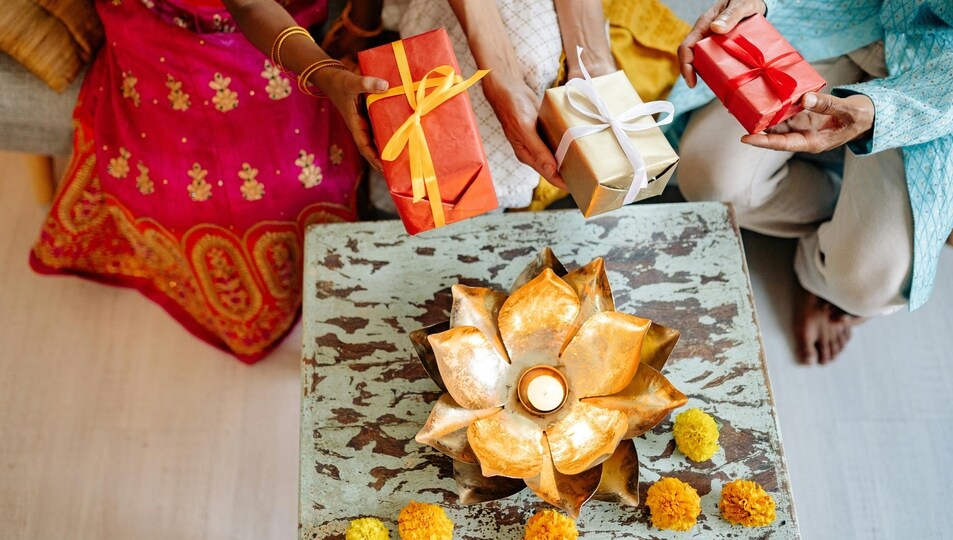
These happy hormones work together to make you feel rewarded, calm, connected, and joyful, giving the festival a deeper impact on your mental health.
Even workplaces are noticing this effect, motivating their employees to make the best out of the festive season. Recently, a Delhi-based PR firm gave its employees a nine-day Diwali break and encouraged them to switch off emails and truly rest. As the internal email said: “When you come back, be ten times happier and fully recharged for new adventures.”
How do rituals and social connections help?
The reward hormone
Before Diwali, many people begin by cleaning and organising their homes, a tradition that does more than just prepare the space. Completing tasks like decluttering and tidying triggers the release of dopamine, the brain’s ‘reward hormone,’ which creates feelings of satisfaction and motivation. This practice isn’t unique to India. In Japan, a similar end-of-year ritual called Ōsōji, or the ‘great cleanup,’ involves discarding unnecessary items to cleanse both home and mind. Giving away items or helping those in need also activates the brain’s reward centres.
The bonding hormone
Visiting family and catching up with friends during festivities boosts oxytocin, the ‘bonding hormone,’ which fosters a sense of closeness and reduces feelings of loneliness. “Researchers have found that participating in festive rituals strengthens social ties and enhances emotional well-being. Happiness also spreads easily in groups, a phenomenon psychologists call emotional contagion,” says Dr Dhruv Chaturvedi, director, neurology, PSRI hospital. Small moments, like admiring the glowing streets or sharing a laugh with loved ones, create a sense of happiness and connection. “Diwali feels truly special when I go back home and see the streets full of lights and colours. Such experiences leave me totally refreshed,” says content creator Ruchika Lohiya.
The soothing and stress-relieving hormones
Joy and sensory experiences boost serotonin, the hormone that balances mood and promotes calm. The glow of diyas, the scent of flowers, the taste of sweets, and the sound of fireworks come together to make one feel grounded and happy.
Kindness also goes a long way. “Studies show that acts of kindness trigger ‘feel-good’ neurochemicals, improving emotional regulation and reducing stress over time. Gift-giving, sharing sweets, or donating to those in need triggers endorphins, the body’s natural stress reliever, which reduces tension while boosting pleasure. Activities like making rangoli, decorating the house, or dancing to music also stimulate endorphin release. “Festivals give us a chance to disconnect. Diwali, with its lights and togetherness, rekindles warmth and positivity, which is all we truly need,” says actor Sheena Chohan.


