
 E-Paper



Gastroenterologist shares 3 risks of eating too much fibre, recommends 5 tips for safe consumption

 Prefer HTon Google


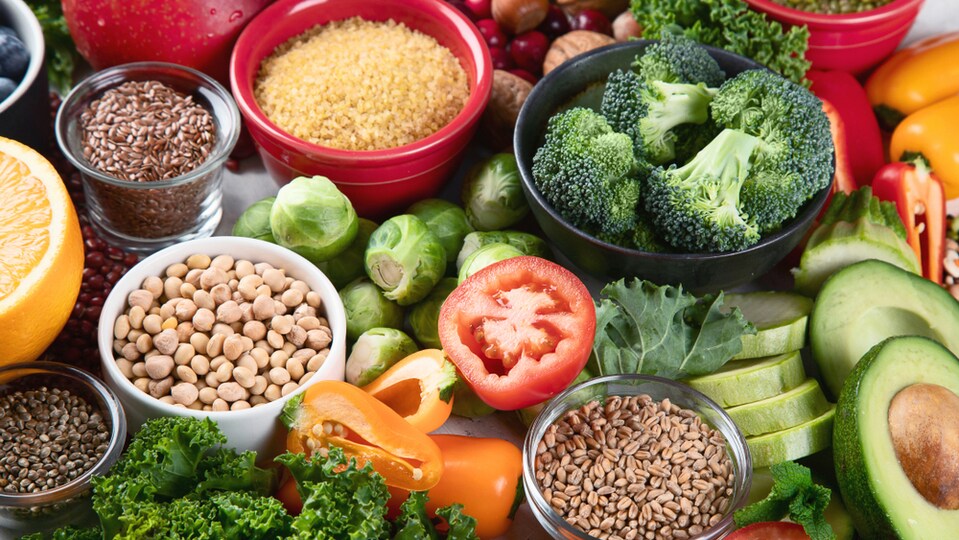
While fibre-rich food is a superfood for the gut, too much of anything can backfire quickly. Gastroenterologist shares the potential risks.
Good gut health is commonly hailed as one of the strongest building blocks of overall wellbeing because gut functions are intricately connected to major systems in the body, from immunity to mental health. Gut-friendly foods and drinks have repeatedly taken the spotlight, with balancing the gut microbiome becoming a priority. Fibre-rich foods are one of the key dietary components that have gained attention because of how they support digestion. But too much of anything is never good either, which is why defining the line has become more important than ever.
In an interview with HT Lifestyle, Dr Amarender Singh Puri, vice chairman of gastroenterology, gastrosciences at Medanta, Gurugram, explained why a balanced approach to fibre is vital, as overconsumption of anything is not good, and can easily backfire.
Let’s first dive into the basics and understand what this popular dietary component does for your health. Dr Amarender Singh Puri also emphasised the importance of moderation, even when it comes to beneficial dietary components like fibre; just like anything else, it won’t benefit you in excess. More doesn't necessarily mean better.
Dr Amarender added, “Fibre is widely recognised as essential for healthy digestion. It aids in regulating bowel movements, promoting a feeling of fullness, stabilising blood sugar levels, and supporting cardiovascular health. However, as with any dietary component, moderation is key. While many individuals in India do not consume sufficient fibre, a sudden and drastic increase in fibre intake, without adequate hydration or proper balance, can lead to adverse effects.”
Lately, there's growing awareness around healthy eating, with more people opting for clean foods and gut-friendly diets. But this shift in dietary habit has also seen a hyper-fixation on eating only what’s perceived as clean, resulting in the overconsumption of raw salads and fibre supplements.
Addressing this, Dr Amarender opined, “The current emphasis on gut health has spurred numerous dietary changes, often under the guise of ‘clean eating,’ leading to an overconsumption of raw salads or the excessive use of fibre supplements. While these changes may be well-intentioned, they can be detrimental, particularly for individuals who are sedentary, have a history of low fibre intake, or experience other digestive issues. Achieving a balanced fibre intake, avoiding both deficiency and excess, is crucial.”
The gastroenterologist shared a brief guide with us, covering the consequences of not eating enough fibre and, on the contrary, how to appropriately add fibre to your daily routine without crossing the danger limits:
What happens when you eat too much fibre?
- Consuming more than 40-45 grams of fibre per day, especially without adequate fluid intake, can result in adverse gut health issues such as bloating, gas, constipation, or even diarrhoea.
- Excessive fibre can also impair the body's ability to absorb essential nutrients like calcium, zinc, and iron.
- Individuals with sensitive digestive systems, such as those with Crohn's disease, Irritable Bowel Syndrome (IBS), or gut inflammation, may experience exacerbated negative symptoms if they increase their fibre intake too rapidly.
How to correctly support fibre intake?

- Take it easy: Gradually increase fibre intake over several weeks.
- Drink up: Consume at least 2.5 to 3 litres of water daily to facilitate fibre's function.
- Get different types of fibre: Incorporate both soluble and insoluble fibre into meals to maximise benefits.
- Listen to your body: If discomfort arises, reduce intake and reintroduce fibre slowly.
- Go for whole foods: Prioritise whole food sources over supplements whenever possible.
Indian foods that offer fibre
- Common staples such as dals, fruits, millets, seeds, and vegetables offer the nourishment necessary for a healthy gut, without the need for exotic or foreign ingredients.
- Foods like moong dal, homemade roti, or raw carrot slices are generally easy to digest and are prevalent in various forms of Indian cuisine.
The long story short is: an excess of anything is never good, even when it comes to otherwise celebrated superfoods like fibre-rich sources. Just because you double the quantity doesn’t mean the benefits will come faster or be amplified.
Dr Amarender again reiterated the importance of being mindful about consumption and concluded, “Fibre is a vital dietary component, but its benefits are best realised through moderation and balance. Begin slowly, maintain adequate hydration, and prioritise natural sources over convenient supplements. With careful attention, individuals can learn to optimise their fibre intake, reaping the benefits without experiencing adverse digestive consequences. Let food serve as a source of fuel and healing, rather than a source of overindulgence.”
Note to readers: This article is for informational purposes only and not a substitute for professional medical advice. Always seek the advice of your doctor with any questions about a medical condition.


Catch your daily dose of Fashion, Taylor Swift, Health, Festivals, Travel, Relationship, Recipe and all the other Latest Lifestyle News on Hindustan Times Website and APPs.


