
 E-Paper



Heart surgeon with 25 years of experience warns minutes matter during a stroke; shares warning signs to never ignore

 Prefer HTon Google


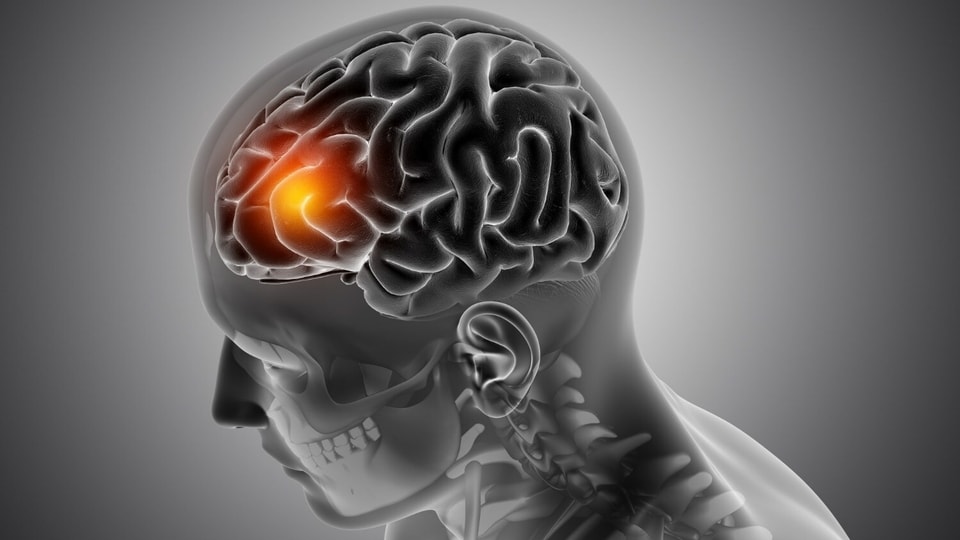
A stroke occurs when blood flow to the brain is disrupted, leading to brain cell death. Key symptoms can be remembered with BE FAST, Dr Jeremy suggests.
Strokes are a leading cause of death and disability globally. According to the World Stroke Organisation, worldwide, 1 in 4 adults over the age of 25 will have a stroke in their lifetime. Over 12 million people worldwide will have their first stroke this year, and 6.5 million will die as a result.
This makes stroke, also known as a brain attack, one of the deadliest anomalies to be aware of and therefore makes it important to learn more and more about it so that you or your loved ones can get timely medical assistance.
In a March 18 Instagram post, Dr Jeremy London, a board-certified cardiovascular surgeon with more than 25 years of experience, explained the warning signs and symptoms of a stroke, and what you can do about it.
Warning signs and symptoms of stroke
According to Johns Hopkins Medicine, stroke is an emergency situation. The brain needs a constant supply of oxygen and nutrients to function well, but if blood flow is interrupted even for a short time, this can cause problems and lead to a stroke. So, what warning signs and symptoms of stroke should you look out for, and what can you do about them?
According to Dr Jeremy, a stroke occurs when there's a sudden interruption of blood flow to the brain, either from a blockage or a bleed. And when this happens, brain cells begin to die. He further states, “So minutes count with a stroke.”
Remember ‘BE FAST’
But, how do you remember the signs of a stroke? The cardiovascular surgeon suggests a simple way to do it: remembering the acronym ‘BE FAST’ and if any of the signs occur, immediately contact your doctor. Here's what it stands for:
- B for balance: If your balance is off, if you're lightheaded or dizzy.
- E for eyes: A sudden change in your vision, either total loss or double vision.
- F is for face: Facial drooping or asymmetry, or when one side of the face looks uneven.
- A is for arm: Arm weakness; you're unable to hold your arm up.
- S is for speech: Slurred speech or unable to find words.
- T is for time: It's time to call 911 (or another emergency number in your country).
Lastly, the cardiovascular surgeon noted the most important thing to remember: “You shouldn't drive yourself or someone else to the hospital because therapy can be instituted in the ambulance, and they can notify the stroke team that you're going to arrive.”
“Time equals brain tissue saved. So remember, recognise the signs of stroke: BE FAST. Call the emergency number,” he cautioned.
Note to readers: This article is for informational purposes only and not a substitute for professional medical advice. Always seek the advice of your doctor with any questions about a medical condition.
This report is based on user-generated content from social media. HT.com has not independently verified the claims and does not endorse them.


Catch your daily dose of Fashion, Taylor Swift, Health, Festivals, Travel, Relationship, Recipe and all the other Latest Lifestyle News on Hindustan Times Website and APPs.


