
 E-Paper



Is your forgetfulness a red flag? Neurologist warns of these signs that should never be ignored
Explore key signs of cognitive decline and when to seek medical advice for forgetfulness so that you can address potential issues promptly for better care.

 Prefer HTon Google


Forgetting an appointment, misplacing household items, or briefly struggling to recall a familiar name can happen to anyone. Such incidents, particularly with advancing age, do not automatically indicate a serious neurological disorder. However, doctors say that repeated changes in memory and thinking abilities should not be dismissed when they begin to affect a person’s routine and independence.
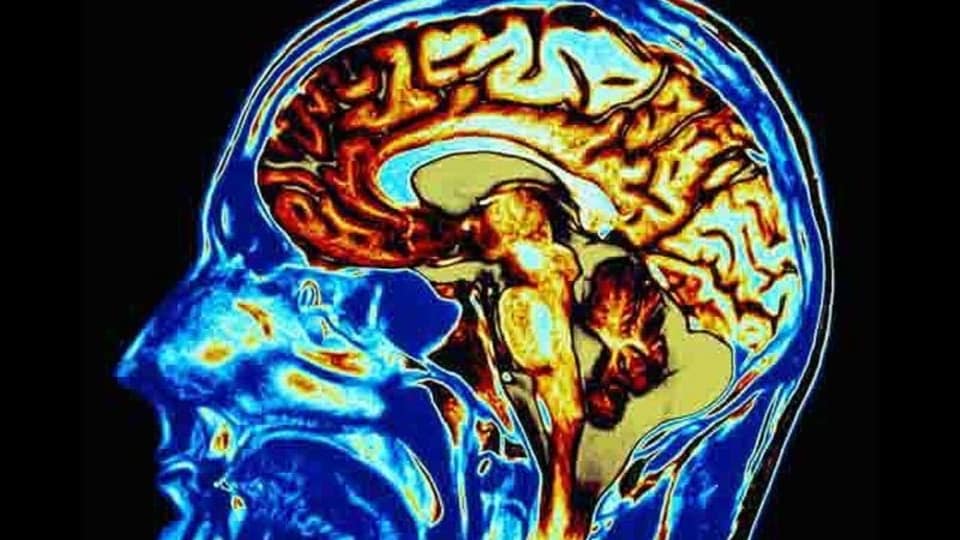

“The key concern is not an isolated episode of forgetfulness but a consistent change in a person's cognitive functioning,” Dr Kapil Agrawal, Director and HOD, Neurology, Shalby International Hospital, tells Health Shots.
What are the responsibilities of caregivers?
One important aspect doctors look for is a person's ability to manage familiar responsibilities. Difficulties with household activities, managing medicines or finances, preparing a routine meal, following a familiar schedule, or navigating places that were previously well known may indicate that the problem requires closer evaluation.
How does memory change with age?
Changes in recent memory can also be an early feature of Alzheimer’s disease. A person may have difficulty recalling a conversation from earlier in the day, repeat questions, or fail to retain information discussed recently. These changes may become more noticeable to family members who interact with the person regularly.
What are the signs of cognitive decline?
Confusion about dates, time, or surroundings can be another warning sign. In some cases, an individual may become uncertain about where they are or have difficulty finding their way in a familiar environment. These changes are especially important when they are new and happen repeatedly.
How do I know if I have cognitive issues?
At the same time, doctors emphasize that memory problems have several possible causes. Certain medical conditions, medicines and other forms of cognitive impairment can also affect memory, concentration and thinking. So occasional forgetfulness does not mean a person has Alzheimer’s disease.
“Early evaluation can also help identify other treatable causes of cognitive difficulties,” said Dr Agrawal.
While some memory changes can occur with age, dementia should not be considered an inevitable part of growing older. Families should watch for persistent changes in behavior or daily functioning rather than focusing on isolated incidents. Seeking medical advice when a clear pattern develops can help identify the cause and plan appropriate care early.
(Disclaimer: This article is for informational purposes only and is not a substitute for professional medical advice. Always seek the advice of your doctor with any questions about a medical condition.)

Catch your daily dose of Fashion, Taylor Swift, Health, Festivals, Travel, Relationship, Recipe and all the other Latest Lifestyle News on Hindustan Times Website and APPs.


