
 E-Paper



Maryland doctor explains why heart may suddenly beat very fast, shares what to do when it happens

 Prefer HTon Google


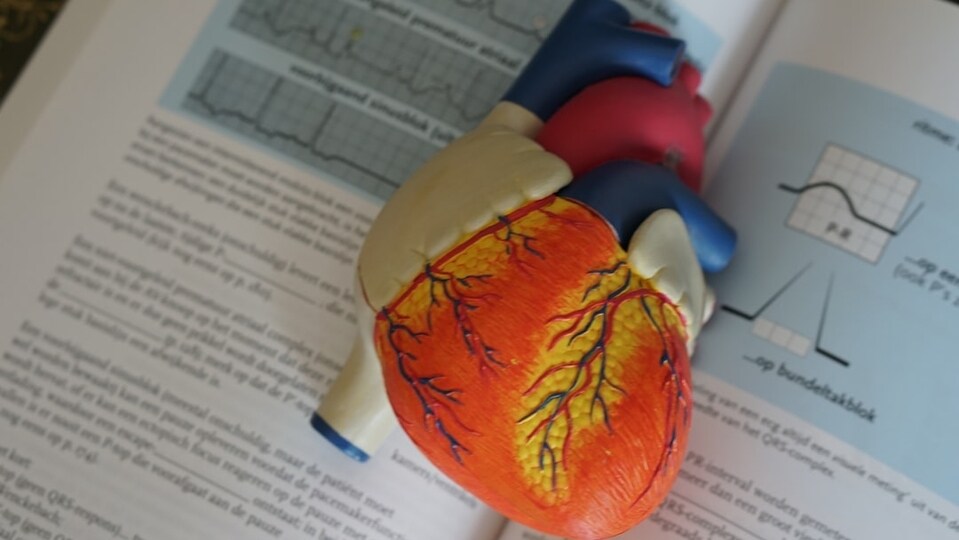
SVT results in the heart beating at much faster rate than normal, and can be triggered by exercise, lack of sleep, dehydration, and more.
When the human body is exerted during physical activities such as workouts or a run, it is usual for the heart to beat faster than normal. However, there are times when the heartbeat can feel unnaturally high, causing significant chest pain.
Taking to Instagram on 1 January, Dr Kunal Sood, Maryland-based physician in Anesthesiology and Interventional Pain Medicine, explained the condition to be supraventricular tachycardia, or SVT in abbreviated form.
“It's a rhythm where the heart suddenly starts beating very fast, often 170 beats per minute or higher, without gradually speeding up,” he stated.
What causes supraventricular tachycardia (SVT)?
Supraventricular tachycardia happens as a result of “an electrical short circuit in the upper chambers of the heart,” shared Dr Sood.
The impulses of the nervous system that are responsible for keeping the heart beating normally get looped over rapidly. This forces the heart to beat much faster than it should.
SVT incidents can be triggered by a number of things, such as:
- Exercise
- Dehydration
- Lack of sleep
- Stimulants like caffeine
It can therefore show up unexpectedly during a run or a workout, cautioned Dr Sood.
How to deal with SVT?
According to Dr Sood, the best first step during an SVT incident is to stop whatever we are doing, rest, and try to stay calm.
Sometimes, vagal manoeuvres help reset the rhythm. They are physical actions that stimulate the vagus nerve to slow your heart rate, and include:
- Bearing down as if having a bowel movement
- Slow, deep breathing
- Gently splashing cold water on the face
While most SVT episodes are not life-threatening, if the fast heart rate does not slow down and cause chest pain, dizziness, shortness of breath, or fainting, it is important to get medical attention.
Note to readers: This article is for informational purposes only and not a substitute for professional medical advice. Always seek the advice of your doctor with any questions about a medical condition.
This report is based on user-generated content from social media. HT.com has not independently verified the claims and does not endorse them.


Catch your daily dose of Fashion, Taylor Swift, Health, Festivals, Travel, Relationship, Recipe and all the other Latest Lifestyle News on Hindustan Times Website and APPs.


