
 E-Paper



Menstrual hygiene challenges: Doctor shares tips to manage them

 Prefer HTon Google


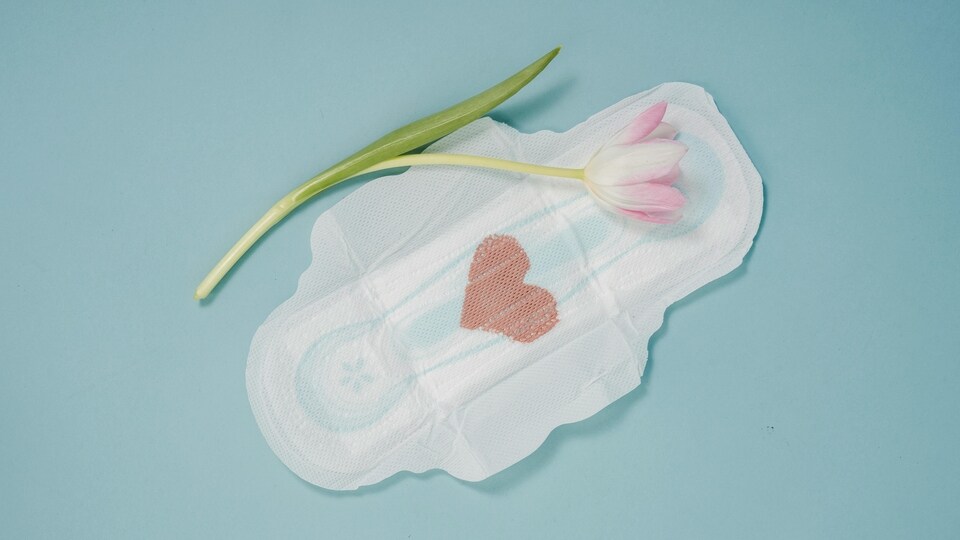
From avoiding scented menstrual products to having a healthy diet, here are a few ways to maintain menstrual hygiene.
Menstrual hygiene is of primal importance for every woman in the world. However, often, in India, women do not have access to proper care and hygiene during their menstruation, leading to infections and other complications. In an interview with HT Lifestyle, Dr. Swati Bhargav, gynecologist and head of MedyShe, Medyseva said, “Ensuring proper menstrual hygiene is essential for maintaining overall health, comfort, and dignity. Addressing these challenges requires a multi-pronged approach that includes education, policy changes, and widespread access to menstrual hygiene products.” Also read | Menstrual blood: What's normal and what’s not? Gynecologist sheds light
Menstrual hygiene challenges faced by women:
Lack of awareness and education:
Many women and young girls in rural areas are not educated about menstruation before their first period, leading to fear and confusion. Cultural taboos prevent open discussions, leading to misinformation and unhealthy menstrual practices.
Limited access to menstrual products:
A significant portion of the population still relies on unhygienic alternatives like cloth, husk, or even ash due to the unaffordability or unavailability of sanitary pads and tampons. Government schemes have improved accessibility, but distribution remains uneven.
Poor sanitation facilities:
Lack of clean and private toilets in schools and workplaces prevents proper menstrual hygiene management. Unavailability of water and soap in public toilets adds to the difficulty of maintaining hygiene during periods. Also read | Menstrual Hygiene Day 2024: Severe health risks associated with poor menstrual hygiene
Social stigma and cultural taboos:
Menstruation is often seen as impure, leading to restrictions on daily activities such as cooking, praying, and socialising. These taboos discourage open conversations, reinforcing myths and misinformation about periods.
Improper disposal of menstrual waste:
Disposal of used sanitary products remains a major environmental concern, especially in rural areas where waste management systems are inadequate. Lack of awareness about biodegradable options contributes to environmental pollution.
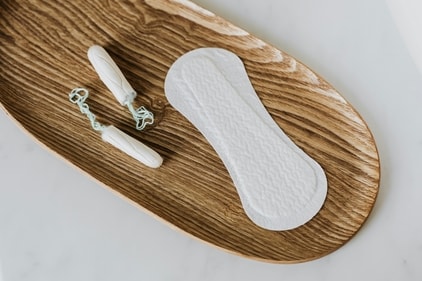
Tips to maintain menstrual hygiene:
Regular change of menstrual products:
Sanitary pads should be changed every 4-6 hours. Tampons should be replaced every 4-6 hours. And menstrual cups should be emptied and cleaned every 12 hours.
Choosing the right product:
Depending on the menstrual flow, women should select the appropriate product for optimal comfort and protection. Also read | Menstrual Hygiene Day: 5 consequences of poor menstrual hygiene management on women's health and tips to improve it
Practicing good washing habits:
Wash hands before and after changing menstrual products. Clean the intimate area with lukewarm water and, if necessary, a mild, unscented soap to maintain the natural pH balance.
Wearing breathable cotton underwear:
Cotton-based underwear helps airflow and reduces moisture buildup, preventing irritation and infections.
Staying hydrated:
Drinking plenty of water can help reduce bloating and promote good circulation during menstruation.
Eating a balanced diet:
Proper nutrition helps maintain energy levels and prevent deficiencies caused by blood loss.
Proper disposal of menstrual products:
Used sanitary products should be disposed of hygienically to prevent infections and environmental hazards.
Managing menstrual cramps:
Applying a heating pad can help relieve cramps. Mild analgesics may be taken if necessary. Gentle exercises or stretches can also help reduce discomfort.
Avoiding scented products:
Scented sanitary products, tampons, or sprays can cause allergic reactions and disrupt the natural vaginal flora, leading to infections.
Managing mood swings and mental health:
Relaxation techniques such as yoga, meditation, or engaging in enjoyable activities can help manage stress and irritability caused by hormonal fluctuations.
Note to readers: This article is for informational purposes only and not a substitute for professional medical advice. Always seek the advice of your doctor with any questions about a medical condition.


Catch your daily dose of Fashion, Taylor Swift, Health, Festivals, Travel, Relationship, Recipe and all the other Latest Lifestyle News on Hindustan Times Website and APPs.


