
 E-Paper



Mould growing on your walls? ENT specialist warns how it may affect your sinuses

 Prefer HTon Google


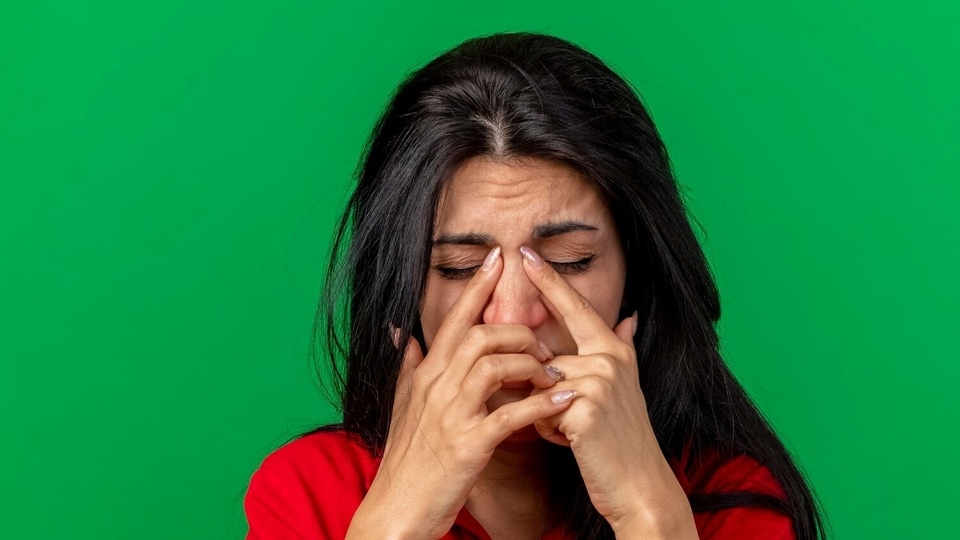
The mould on your walls may be causing an allergy. Know which 10 warning signs you need to watch out for.
During the rainy season, you will notice some walls in your home become damp, with dark patches of mould gradually appearing across their surfaces. These patches may seem like a home renovation problem, but can they also affect your health?
ALSO READ: Do you use cotton buds to remove earwax? ENT specialist explains why this habit can damage your ears
A specialist shared his insights on the health risks of mould. Dr Avinash Kumar, senior consultant (Centre of ENT, Head & Neck Surgery) at ShardaCare - Healthcity, explained that mould releases microscopic spores into the air, which you may inhale. What could the consequences be, and can these spores trigger a fungal infection in the nose or sinuses? He confirmed that you may be at risk of ‘respiratory health problems.’
How do damp walls and mould affect your nose and sinuses?
When you come into close contact with mould, you may inhale its airborne spores through your nose and mouth. However, the specialist clarified that exposure does not necessarily mean you will develop a fungal infection. Mould is more likely to irritate the nasal lining or trigger an allergic reaction.
“Certain individuals may find that these spores irritate the lining of their nose and feel symptoms of blockage, itching, nasal discharge, sneezing, and that their nose feels full,” Dr Kumar said.
Some people may worry that exposure to mould will cause a fungal sinus infection. But the doctor clarified that this is unlikely, as mould is more likely to trigger an allergy or inflammation than an actual infection.
But what happens when mould exposure triggers a recurring allergy? The doctor explained, "Mould-sensitive individuals may become allergic to moulds when their nasal lining becomes inflamed and swollen, and the drainage within the sinuses can become obstructed. This will predispose you to recurrent sinus symptoms.”
This means some symptoms, such as nasal congestion, discharge, facial pressure, and sneezing, recur because mucus does not drain properly. Inflammation caused by a mould allergy can interfere with normal sinus drainage.
How to reduce mould exposure at home?
Recurring nasal and sinus problems mean you need to first address the source of mould. Dr Kumar emphasised that simply covering the affected wall with a fresh coat of paint will not fix the problem if dampness and excess humidity persist. Here are some recommendations from the specialist:
- Remove existing mould carefully and avoid prolonged exposure during intensive cleaning.
- Individuals with conditions such as asthma, reduced immunity, or allergies should take special precautions and consider professional mould remediation.
- Improve ventilation and air out rooms regularly, particularly bathrooms, kitchens, and other damp areas.
- Repair water leakages and address damp walls instead of simply repainting over mould patches.
- Avoid remaining in the area for long periods during intensive mould removal.
When should you go to the doctor?
You should seek medical attention if the situation persists or worsens. Here are some of the warning signs the ENT specialist highlighted:
- Persistent nasal blockage that does not clear
- Facial pain, pressure, or heaviness
- Thick, pus-like, or blood-tinged nasal discharge
- A reduced sense of smell
- Recurrent nasal or sinus problems
- Symptoms that persist despite treatment
- Pain or swelling around the eyes
- Vision loss
- Severe headache
- Facial swelling
The doctor particularly cautioned people with chronic conditions such as diabetes, those with weakened immunity, and those undergoing chemotherapy or taking immunosuppressive medications, as they may be at higher risk.
Note to readers: This article is for informational purposes only and not a substitute for professional medical advice. Always seek the advice of your doctor with any questions about a medical condition.


Catch your daily dose of Fashion, Taylor Swift, Health, Festivals, Travel, Relationship, Recipe and all the other Latest Lifestyle News on Hindustan Times Website and APPs.


