
 E-Paper



Nutritionist suggests 5 diabetic-friendly rice options with lower GI than white rice
Red, wild, and black rice are better for blood sugar control than white rice due to their lower glycemic index, suggests an expert for diabetes management.

 Prefer HTon Google


I love dal-chawal as it's my go-to comforting food. However, coming from a diabetic family (as my dad has been diabetic for the past 28 years), I always want to manage my blood sugar levels. I got in touch with Nutritionist Karishmma Chawla, who explained that several types of rice have a lower glycemic index (GI) than traditional white rice. These options provide taste and nutrition without causing blood sugar spikes.

What is glycemic index (GI)?
The glycemic index (GI) ranks foods based on how quickly their carbohydrates raise blood sugar levels after eating. Foods with a high GI value break down and are absorbed quickly, causing a rapid rise in blood sugar. In contrast, low-GI foods are digested more slowly, leading to a gradual rise in blood sugar levels. “White rice has a glycemic index (GI) of 70-90, which is high. This means it can quickly raise blood sugar levels," says the nutritionist. Because of this, it may not be the best choice for people with diabetes or for those who need to control their blood sugar.
Which rice has the lowest glycemic index?
Are you also worried about eating white rice if you have diabetes? These five options can help you better manage your blood sugar.
1. Red rice
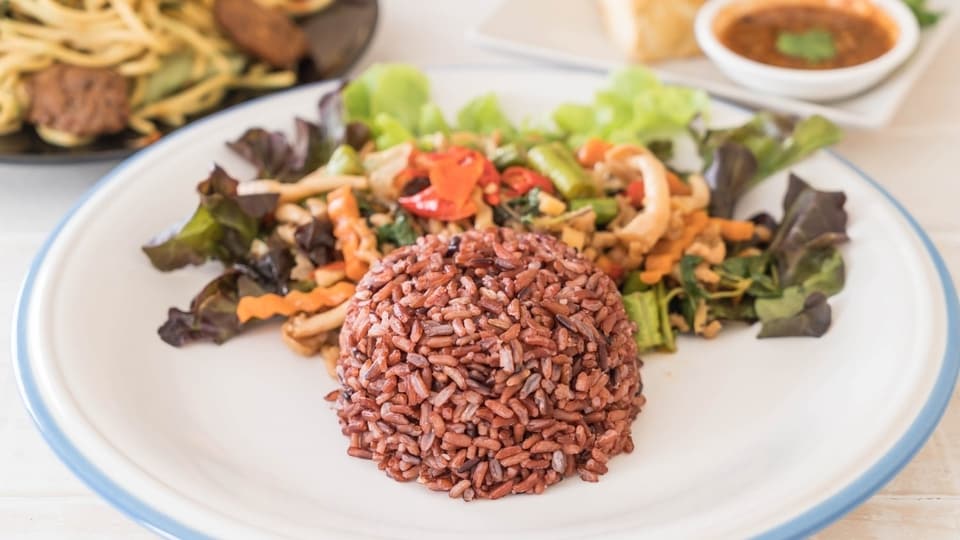
Red rice is a colourful and healthy choice. "Its glycemic index is 45-52, making it suitable for managing blood sugar levels", Nutritionist Karishmma Chawla tells Health Shots. Red rice is rich in fibre, protein, and antioxidants, especially anthocyanins. These help reduce inflammation and improve insulin sensitivity, which makes it easier to keep blood sugar stable. Replacing white rice with red rice can boost your metabolic health. Its nutty flavour pairs well with salads and stir-fries.
2. Wild rice
Wild rice is not really rice, but a type of grass seed. "It has a low glycemic index of 35-40, which is beneficial for your health. A half-cup of wild rice has about 17.5 grams of carbohydrates and 1.5 grams of fibre," says the expert. This combination helps control blood sugar and keeps you feeling full. Wild rice is high in protein, zinc, and magnesium, which support metabolic health. Its chewy texture pairs nicely with grilled fish, sautéed mushrooms, or roasted vegetables.
3. Black rice
Black rice, often called "forbidden rice," is not unique but also very healthy. "Its glycemic index ranges from 35 to 45", says Chawla. Black rice is high in fibre and antioxidants, especially anthocyanins, which help reduce oxidative stress, a concern for those with diabetes. The dark colour of black rice indicates its high nutrient content. It supports heart health and may improve vision. You can enjoy it in salads, puddings, or as a side dish.
4. Basmati rice
Basmati rice is known for its pleasant aroma and fluffy texture, making it a favourite in dishes like biryani and pilaf. Both white and brown basmati rice have moderate glycemic index, making them suitable for people with diabetes. "White basmati has a glycemic index of about 58, while brown basmati is slightly lower", says the nutritionist. The brown variety keeps its bran layer, adding more fibre, B vitamins, and minerals. Combining brown basmati rice with vegetables or lean proteins makes a tasty and wise choice for blood sugar management.
5. Brown rice
Brown rice is an excellent substitute for white rice. "It has a glycemic index (GI) of about 50, which means it digests slowly and helps keep your blood sugar stable", says Chawla. Brown rice contains the bran and germ layers, making it high in fibre, magnesium, and antioxidants. These nutrients help control blood sugar and support heart health. With its slightly nutty flavour and chewy texture, brown rice pairs well with stir-fries, grain bowls, or as a side dish with lentils and vegetables.
(Note to readers: This article is for informational purposes only and not a substitute for professional medical advice. Always seek the advice of your doctor with any questions about a medical condition.)

Catch your daily dose of Fashion, Taylor Swift, Health, Festivals, Travel, Relationship, Recipe and all the other Latest Lifestyle News on Hindustan Times Website and APPs.


