
 E-Paper



Pulmonologist shares how breathlessness could indicate life-threatening lung or heart problems; when to seek help

 Prefer HTon Google


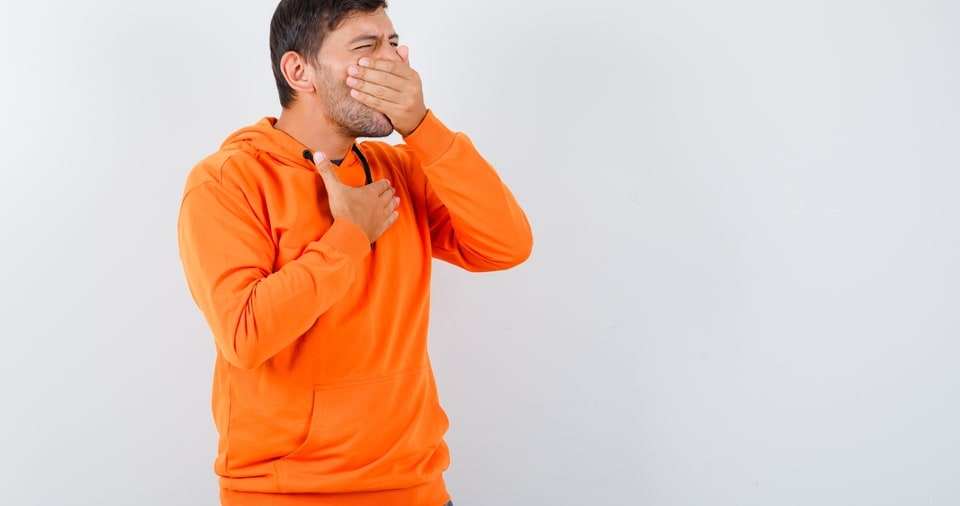
Pulmonologist explains when breathlessness signals serious lung or heart issues, urging timely medical attention to catch problems early.
It’s common to feel breathless after climbing a flight of stairs, this is a normal reflex as your body works harder during physical activity. When you’re active, your heart and lungs increase their effort to supply oxygen to your muscles.
However, if breathlessness becomes frequent, persistent, or occurs along with other symptoms, it’s important to pay attention. It could be a sign that your lungs or heart are struggling and trying to alert you to a more serious issue. (Also read: Cardiologist explains how regular exercise can make your heart up to ‘20 years younger’, but only if you start before 65 )
In an interview with HT Lifestyle, Dr. Mahavir Modi, Consultant Pulmonologist at Ruby Hall Clinic, Pune, explains when breathlessness may signal a serious health issue and stresses the importance of early medical attention.
Signs that breathlessness could be a serious issue
Although a bit of huffing and puffing is normal, take medical advice when you have:
- New or increased breathlessness: If you are having difficulty with an activity that you found easy before.
- A feeling of breathlessness at rest or during slight activity: This is a cause of concern and should be seen instantly.
- Chronic cough: What is more, a persistent cough, regardless of whether it is dry or productive, most likely needs attention, particularly when it persists beyond a short period of time, especially when it lasts beyond a few weeks.
- Wheezing or whistling: A squeaky sound when the person is breathing, especially when they are breathing out.

- Tightness in the chest: Pain when breathing in deeply or coughing.
- Repeat respiratory infections: If you have noticed yourself frequently contracting bronchitis or pneumonia.
- Severe fatigue: A long-standing feeling of fatigue even when you have rest and it might show a lack of oxygen.
What might be behind it?
The causes of shortness of breath are very numerous, and some are short-term and harmless, while others are more severe:
Lung-Related Conditions:
- Asthma: A long-term inflammation of the airways that may lead to narrowing and trouble breathing.
- Chronic Obstructive Pulmonary Disease (COPD): It is a combination of chronic bronchitis and emphysema, which is commonly associated with smoking, and this causes obstruction of airflow.
- Pulmonary fibrosis: This is scarring of the tissue in the lungs/enabling them to become stiff and hard to inflate.
- Lung infections: e.g. pneumonia or bronchitis, which causes irritation of the airways and lung tissue.
- Pulmonary embolism: A life-threatening clot in the pulmonary arteries.
- Pulmonary hypertension: An Increase in the pressure of blood flow in the arteries that deliver blood to the lungs.
Heart-related conditions:
- Heart disease: It might not be in a position to pump enough oxygenated blood to the body and the effect is breathlessness. This may include coronary artery disease or heart failure.

Other factors:
- Being out of shape (deconditioning): The source of frequent breathlessness on exertion. This can be considerably enhanced by regular exercise.
- Anaemia: The reduced concentration of red blood cells entails reduced oxygen transport in the blood.
- Obesity: Being overweight causes the heart and lungs to work harder.
- Anxiety or panic attacks: May cause shortness of breath, in most cases accompanied by other bodily manifestations.
- Allergies: It may inflame the airway and make it hard to breathe.
- Altitudes: When the air is at high altitudes, there will be less oxygen, and this may cause one to be breathless.
- Some medications: Shortness of breath is a side effect of certain drugs.
Do not overlook these signals
The signals given by your body matter. Breathlessness after exertion is not uncommon, but underlying illness may get progressively worse and therefore not be overlooked. Complications should be avoided by ensuring early detection and medication, hence saving your quality of life.
What to do:
- Talk to your doctor: Whether you have been diagnosed with a breathing condition, or have worrying shortness of breath that is either new in occurrence, disproportionately severe, or being experienced in concert with other symptoms, you should make an appointment to speak to your healthcare provider.
- Tell the truth about your symptoms: Give a specific history of how frequently the breathlessness happens, what improves it or makes it worse and any additional symptoms.
- Undergo required tests: Your physician might advise you to perform tests such as lung function tests, chest X-rays, ECGs or blood-tests in order to uncover the cause.
- Take medical advice: When a diagnosis is made, follow the prescribed line of treatment, which may involve lifestyle change, drugs, or specialist treatment.
To sum up, stair climbing is a nice exercise, but when you are out of breath regularly or constantly after just a few steps, it is a definite signal to your lungs (and heart) that something may not be ideal. It is important to hear these signals and pay attention to them by noting appropriate medical care.
Note to readers: This article is for informational purposes only and not a substitute for professional medical advice. Always seek the advice of your doctor with any questions about a medical condition.


Catch your daily dose of Fashion, Taylor Swift, Health, Festivals, Travel, Relationship, Recipe and all the other Latest Lifestyle News on Hindustan Times Website and APPs.


