
 E-Paper



Seaweed as the future vegan protein: Scientists unlock its hidden nutritional treasure

 Prefer HTon Google


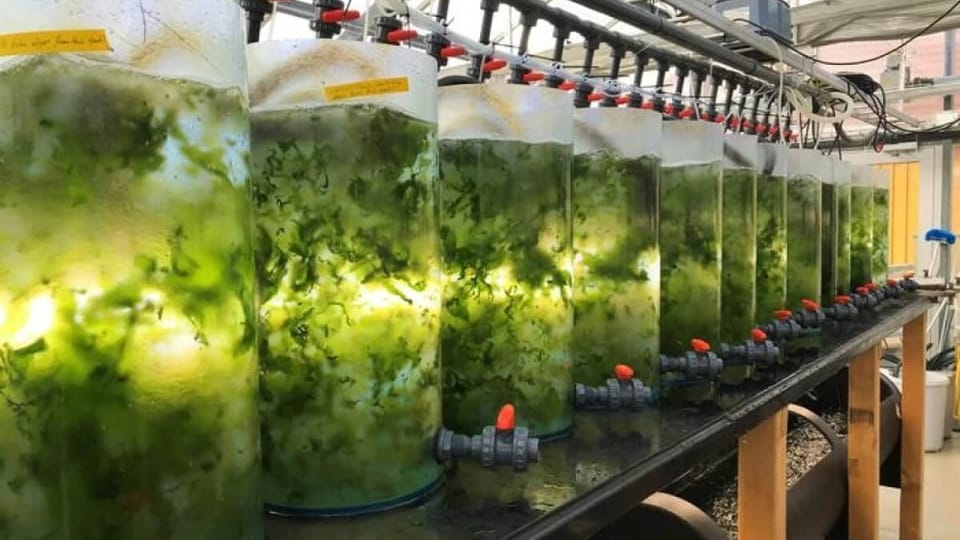
Scientists have cracked the code for extracting protein from seaweed, and it might just change how we think about the future of sustainable vegan protein.
Scientists have unlocked seaweed's hidden nutritional treasure, and they say proteins from seaweed have the potential to become an important food component. According to a report published in the journal Food Chemistry, researchers at Chalmers University of Technology in Sweden have found a new way to extract these proteins three times more efficiently than before. Also read | Are you taking enough protein? Common signs that you have protein deficiency; tips to fix
More about sea lettuce
Sea lettuce, a type of seaweed, is a sustainable protein source, and researchers have tripled its extraction efficiency, paving the way for innovative food applications, according to the researchers. The protein found in sea lettuce offers a promising addition to both meat and existing alternative protein sources. Additionally, seaweed is rich in essential nutrients and can be cultivated without the need for watering, fertilizing, or insecticide use.
Sea lettuce is a type of macroalgae, commonly called seaweed, that grows on rocks in calm waters or free floats on the surface. In appearance, it resembles ordinary lettuce leaves. “It tastes like umami with a certain salty flavour, despite not containing such high levels of salt. I would say it’s a great flavour enhancer for seafood dishes and products, but the possibilities to explore are endless. Why not protein smoothies or ‘blue burgers’ from the sea?” says Joao Trigo, PhD in food science at Chalmers, about the dark green powder, which is a concentrate of proteins from sea lettuce, scientifically known as Ulva fenestrata.
Why this sustainable new vegan protein matters
The so-called protein shift, switching from red meat to more sustainable and healthy protein sources, is a way to reduce the climate impact of food production while providing everyone with a nutritious diet, say the researchers. Many alternative protein sources, mainly based on peas, soy, and mushrooms, are common in our grocery stores. But all the vegetarian protein found under the sea is still an untapped source.
Disclaimer: This article is for informational purposes only and not a substitute for professional medical advice. Always seek the advice of your doctor with any questions about a medical condition.


