
 E-Paper



Seeing more hair on your pillow? Know when seasonal shedding is not normal

 Prefer HTon Google


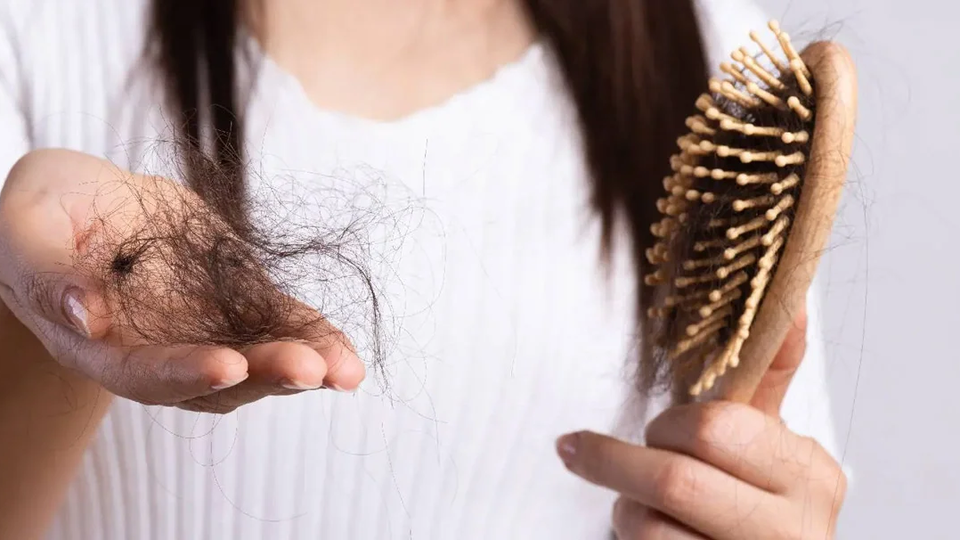
Learn from an expert when you should not consider hair fall normal and get yourself checked.
During certain seasons, you may notice a sudden increase in hair fall, with extra strands appearing everywhere, from your pillow and hairbrush to the shower drain. This can naturally make you feel anxious. While seasonal hair fall is common, when can it be considered normal, and when should you start worrying about your hair?
ALSO READ: Can your hair reveal health problems early? Scientist explains why you should track it
Dr Mayank Singh, celebrity hair transplant surgeon, founder of Crown, The Hair Transplant Experts, with 23 years of surgical experience, told HT Lifestyle that this concern is frequently raised at his clinic. He said, "Autumn brings a familiar question into my clinic: 'Is this normal, or should I be worried?' And the honest answer is: it depends on the pattern, not just the amount of shedding."
Is seasonal hair loss normal?
Dr Singh said, “Hair loss that occurs seasonally is normal. Hair follicles go through growing and resting phases throughout life, and several follicles may begin to simultaneously shift into a resting stage in response to a change in day length, which may explain why people lose more hair than normal after spending time in low-light environments like travelling south from higher latitudes to lower ones.”
He further informed that, a few months later, those same follicles will likely shed their hair simultaneously. But this should not be a cause for concern, as the surgeon assured that it is simply a hormonal response rather than a medical condition.
Seasonal shedding vs telogen effluvium
The doctor mentioned another condition called telogen effluvium, which also affects the hair-growth cycle, but differs from seasonal shedding in its severity, duration, and potential triggers.
“The distinction that actually matters is timing and severity. Seasonal shedding tends to be mild, resolve on its own within two to three months, and lines up clearly with a change in weather or season. Telogen effluvium a medical condition that causes excessive shedding through the same hair-cycle mechanism, behaves differently: it's usually diffuse hair loss triggered by stress, illness, or sudden physical trauma, and it's considered chronic once shedding continues past six months,” Dr Singh explained.
He added that patients often describe telogen effluvium as heavier and more alarming than ordinary shedding. It may cause handfuls of hair to fall out in the shower and lead to visible thinning along the parting or temples, rather than simply leaving a few extra strands on the pillow.
When should you worry about hair fall?
According to Dr Singh, hair fall should be evaluated if:
- The shedding continues for more than three months.
- Hair loss is concentrated in one particular area.
- The scalp becomes more visible.
- There is noticeable reduction in hair density.
- The shedding is unusually heavy.
- The hair fall follows an illness, high fever, crash diet, childbirth, new medication, or period of severe stress.
These warnings help to differentiate temporary seasonal shedding from hair loss that may require investigation because of an underlying undetected condition.
Could seasonal hair fall hide another condition?
To clear up this confusion, the doctor shared a simple rule of thumb: “If it resolves in a season, it probably was one. If it's still going strong three months later, or the density genuinely looks different in the mirror, that's not something to keep waiting on — get it looked at, and get a baseline while there's still plenty to work with.” It is best to get persistent hair fall evaluated, as it may be linked to various underlying issues, including thyroid changes, iron deficiency, or early androgenetic alopecia.
Note to readers: This article is for informational purposes only and not a substitute for professional medical advice. Always seek the advice of your doctor with any questions about a medical condition.


Catch your daily dose of Fashion, Taylor Swift, Health, Festivals, Travel, Relationship, Recipe and all the other Latest Lifestyle News on Hindustan Times Website and APPs.


