
 E-Paper



Why losing the first 5kg is easy but next 5kg feels hard: Robotic surgeon explains why it happens, how to fix it

 Prefer HTon Google



Dr Gautam emphasises that weight loss plateaus require adjustments in diet and exercise as the body adapts, highlighting the importance of personalised plans.
Are you trying to eat healthy, exercise regularly, follow an 8-hour sleep pattern, walk 10k steps every day, in the hope of achieving a certain level of fitness and losing weight? Many begin their fitness journey with these steps, but eventually hit a plateau — when the weight stops changing even though they are following all the key steps.
Dr Ashish Gautam, principal director, robotic and laparoscopic surgery, Max Super Speciality Hospital, Patparganj, New Delhi, in an interview with HT Lifestyle, explained the phenomenon in which losing the first few kilograms is easy, but the next few kilograms feel hard.
According to the surgeon, the first few kilograms often come off quickly after one changes their eating habits and becomes more active. However, then the pace slows, and the same diet and exercise routine that produced visible results at the beginning may lead to much smaller changes later.

He stressed that this is a common part of weight loss, explaining, “The body requires less energy as weight comes down, appetite can increase, and the initial loss often includes water along with fat. Later, the rate of fat loss becomes slower.”
Understanding these changes, per Dr Gautam, helps create realistic expectations regarding weight management.
The body burns fewer calories at a lower weight
According to Dr Gautam, a heavier body needs more energy to do basic functions and movement. Walking, climbing stairs, and doing daily activities require more energy when body weight is higher. But, after losing several kilograms, the same activities require less energy.
“A person who weighed 90 kg and later weighs 80 kg will therefore burn fewer calories during the same walk. Resting energy expenditure also falls as body weight decreases. The body becomes more efficient with the energy available to it,” he explained, calling this a normal physiological response to losing weight.
“The first few weeks can show a larger drop because the body uses stored glycogen when carbohydrate intake falls. Glycogen is stored with water, so its reduction also lowers body water. The scale can therefore move quickly at the beginning. Fat loss follows a slower pace. One kilogram of body fat represents a substantial amount of stored energy, and creating the required energy deficit takes time,” he added.

Hunger can increase as weight comes down
Moreover, Dr Gautam highlighted that appetite changes during weight loss. The body has hormonal systems that regulate hunger, fullness and energy balance — ghrelin is one of the hormones involved in hunger. Other hormones released by the digestive system help signal fullness after eating.
However, when you lose weight, hunger signals can be amplified, and the feeling of fullness may be diminished.
“This can make the same meal less satisfying than it was earlier in the weight loss journey. Sleep and stress can add to these changes. Poor sleep affects appetite regulation and can increase cravings for high-calorie foods. Prolonged stress can influence eating patterns and encourage abdominal fat accumulation,” Dr Gautam explained.
This is one reason a person may follow the same routine for several weeks and then find it increasingly difficult to maintain the same level of calorie control. “The body is responding to the reduction in weight and energy intake,” Dr Gautam added.
The scale does not show the whole change
However, Dr Gautam stressed that it is important to remember that a slower change in body weight does not always mean that progress has stopped. He explained, “Body weight varies with hydration, salt intake, carbohydrate consumption and bowel movements. In women, hormonal changes during the menstrual cycle can also cause temporary changes in water retention.”
Moreover, exercise can produce another difference, he stressed, adding, “Strength training helps build or preserve muscle while body fat decreases. A person may therefore lose centimetres around the waist without seeing a similar reduction in body weight.”
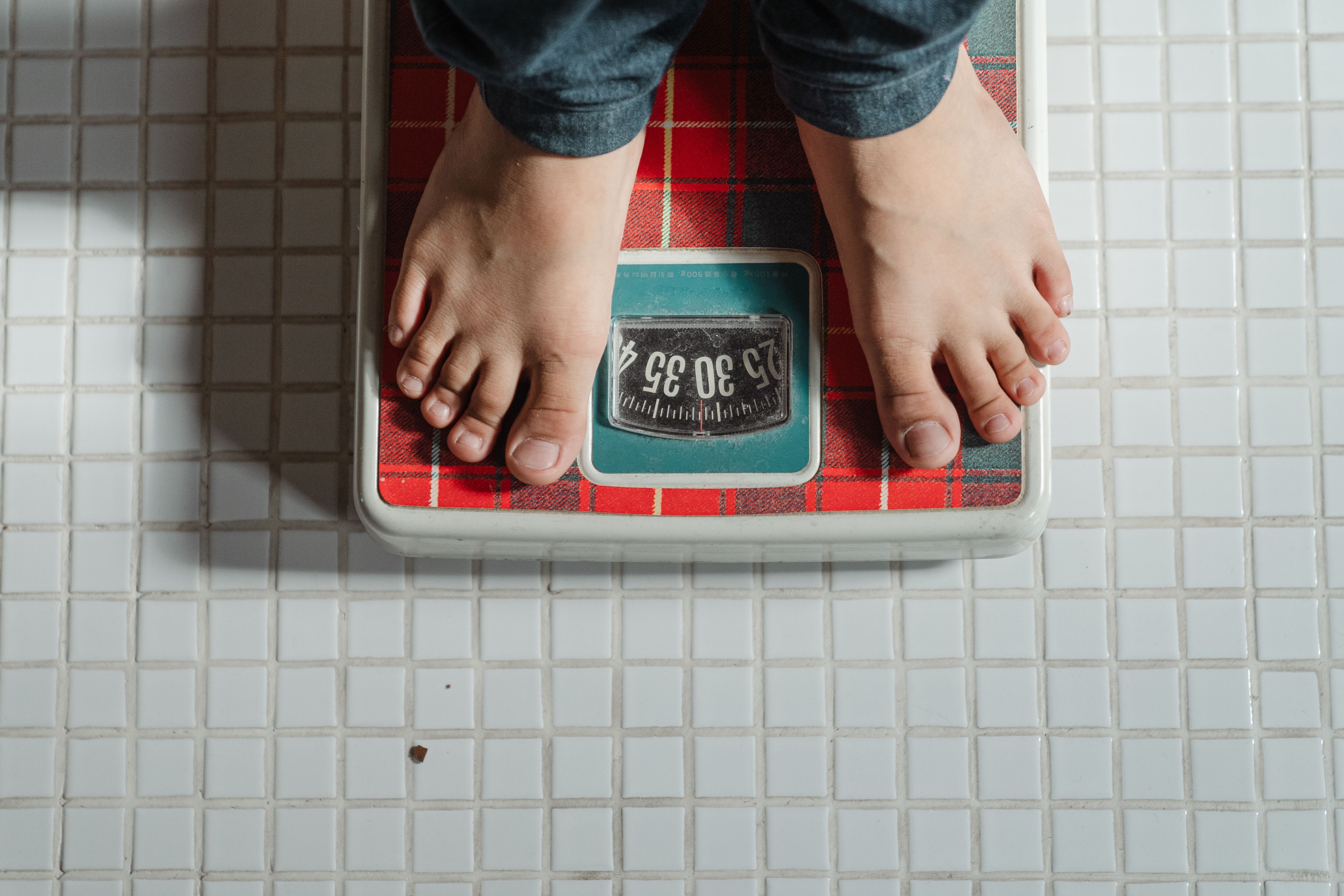
Therefore, waist circumference is useful in such cases, particularly because abdominal fat is closely associated with metabolic disease, Dr Gautam underlined.
He stressed that this is relevant in India, where abdominal obesity is widespread. The surgeon cited an Indian Council of Medical Research (ICMR) study published in The Lancet Diabetes and Endocrinology in 2023, which estimated that about 35 crore adults aged 20 and above have abdominal obesity, to corroborate this.
Lastly, he noted that weight management should be assessed by more than just the number on the scale, adding, “Waist circumference, strength, physical activity, blood sugar, blood pressure and cholesterol can provide a better picture of health.”
The second 5 kg needs a different approach
Now that we have understood why it is difficult to lose weight after a certain point, Dr Gautam explained why, after hitting a plateau, weight loss requires a different approach.
He suggested, “As weight falls, food and activity plans often need to be adjusted. A diet that creates a clear energy deficit at the beginning may provide much less of a deficit at a lower body weight. Adequate protein helps preserve muscle during weight loss. Vegetables, fruits, pulses and whole grains provide fibre and improve the nutritional quality of meals.”
He added, “Strength training maintains your muscle mass, and walking and other forms of regular movement increase your daily energy expenditure. Small changes can therefore matter. Portion sizes may need to be reviewed, particularly when weight has remained stable for several weeks. Daily movement also deserves attention.” The World Health Organisation estimates that about half of Indians do not meet recommended levels of physical activity.
The wider food environment also affects weight management, according to Dr Gautam. “The State of Food Security and Nutrition in the World Report 2024 says that about 55% of the people of India, or 78 crore people, are unable to afford a healthy diet. Nearly 40% were estimated to fall short of an adequate nutrient-rich diet,” he underlined.
Weight loss also needs an appropriate target, which is why, per Dr Gautam, the healthiest weight depends on body composition, waist circumference, metabolic health, age, and existing medical conditions. Moreover, the lowest possible number on the weighing scale is not necessarily the right goal.
Lastly, he stressed that although weight-loss journeys often hit a roadblock, a persistent plateau warrants assessment rather than resorting to extreme dieting. “Thyroid disorders, certain medicines, sleep disorders and hormonal conditions can affect weight. A doctor can help determine this if medical factors are at play and the current weight-loss plan needs to be altered,” he stressed.
Note to readers: This article is for informational purposes only and not a substitute for professional medical advice. Always seek the advice of your doctor with any questions about a medical condition.


Catch your daily dose of Fashion, Taylor Swift, Health, Festivals, Travel, Relationship, Recipe and all the other Latest Lifestyle News on Hindustan Times Website and APPs.


