
 E-Paper



Milk protein accelerates wound healing: Study

 Prefer HTon Google


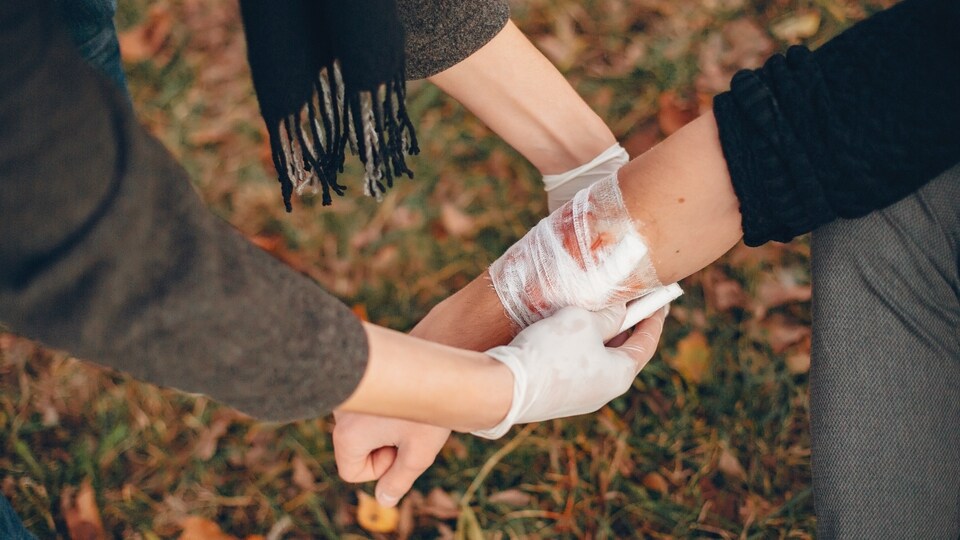
The study shows that casein, a protein found in cow's milk, has antimicrobial properties that can accelerate wound healing.
According to a new study by UCL researchers, bandages infused with casein, a protein found naturally in cow's milk, greatly increased wound healing in rats compared to control groups.
The study, published in Interface, is the first to test casein’s reputed healing benefits on an animal model. The promising results suggest that casein, which is cheap, abundant and has antimicrobial properties, has potential to replace expensive materials such as silver in wound dressings.
Casein is a protein found in the milk of mammals and is most abundant in cow’s milk, where it makes up to 80% of the substance. In the last decade, interest has grown in casein’s antimicrobial, antioxidant and anti-inflammatory properties, as well as its utility as a high-protein dietary supplement.
ALSO READ: How diabetes slows healing in the eye: Research
In this study, researchers at UCL mixed pure casein with polycaprolactone (PCL), a biodegradable polyester commonly used as a bandage material. They used a technique called pressurised gyration, which was developed at UCL in 2013, to spin this mixture into bandage-like fibres from which they created casein-infused bandages. This would not have been possible with other, more expensive manufacturing methods such as electrospinning.
Rats with identical small skin perforations were split into three groups. The wounds of those in the first group were treated with casein-infused bandages, the second with normal PCL bandages, and the third with no bandages.
Healing progress was checked after three, seven, 10 and 14 days by photographing and measuring the wounds, as well as examining them under a microscope.
The team found that at 14 days the wounds treated with casein-infused bandages healed to 5.2% of their original size, compared to 31.1% in the normal bandage group and 45.6% in the untreated group.
Analysis also confirmed that the casein bandages were non-toxic and that levels of immune-related molecules were much lower around the wounds treated with them.
Dr Jubair Ahmed (UCL Mechanical Engineering), first author of the study, said: “Natural materials contain some wonderful properties, many of which are unknown. We knew that casein was reputed to have healing benefits and our results suggest there is a lot of potential to use it in medical applications like wound dressings. More work is needed to ensure that casein dressings are safe and effective in humans, but these initial findings are promising.”
Given that casein is a waste product of skimmed dairy milk, if it was approved for treatment in humans it would be a relatively cheap material that could be produced at scale. However, the chemical composition and potency of natural substances can vary, an issue that would need to be tackled if casein is to be used in the clinic, where consistency is key to safe and effective treatment.
Professor Mohan Edirisinghe (UCL Mechanical Engineering), senior author of the study, said: “All the research so far suggests that casein has wound healing potential, but at the moment we don’t really know why in any great detail. Casein has antimicrobial and anti-inflammatory properties, which may certainly play a part. The next step will be to understand the biological interactions taking place before we can consider clinical trials in humans.”


