
 E-Paper



Whole Moong vs Yellow Moong Dal Explained Through Texture, Cooking Style, Fibre And Everyday Eating Habits

 Prefer HTon Google


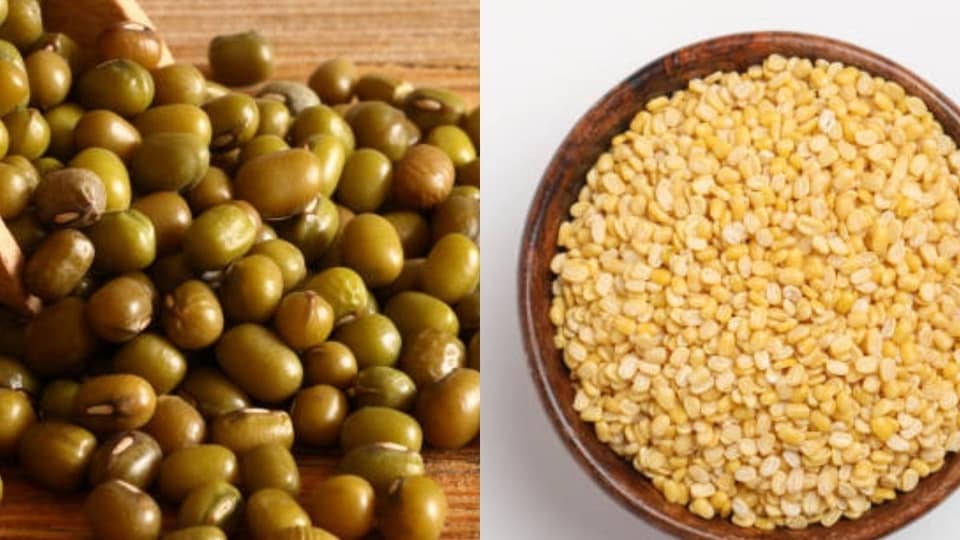
Whole moong dal and yellow moong dal differ in texture, fibre, digestion, and nutrition, making each suitable for different healthy meal needs.
A single type of lentil can appear in two completely different forms on the plate. Whole moong dal and yellow moong dal both come from mung beans, yet their texture, colour, cooking style, and nutritional value create very different eating experiences.
Whole moong dal is the complete green mung bean with its outer skin intact. Yellow moong dal is made by removing the green skin and splitting the bean into smaller yellow pieces. Both forms are widely used across Indian kitchens in khichdi, soups, curries, cheelas, and light summer meals because they cook relatively quickly and feel lighter than many other dals.
Whole moong dal ">Whole moong dal has a firmer texture, earthy flavour, and slightly nutty taste due to the outer skin. Yellow moong dal">Yellow moong dal feels softer and smoother after cooking, making it suitable for creamy dals and lighter preparations. The green outer layer in whole moong dal also increases fibre content, giving it a darker colour and slightly heavier texture compared to yellow moong dal.
The nutritional difference between these dals mainly comes from fibre and digestibility. Whole moong dal contains more fibre">moong dal contains more fibre because the skin remains intact, while yellow moong dal becomes easier to digest after processing. Both provide plant protein, iron, and essential nutrients that support balanced meals and summer-friendly eating habits.
Yellow moong dal is often preferred for simple meals during hot weather because it cooks faster and feels lighter on the stomach. Whole moong dal works well for salads, sprouts, and fibre-rich meals that require more texture and slow digestion.
Whole Moong Dal vs Yellow Moong Dal Comparison Table
Feature | Whole Moong Dal | Yellow Moong Dal |
|---|---|---|
Appearance | Green outer skin with whole bean | Yellow split lentil without skin |
Texture After Cooking | Slightly firm and grainy | Soft and smooth |
Taste Profile | Earthy and nutty | Mild and delicate |
Fibre Content | Higher due to outer skin | Lower after skin removal |
Protein Content | High | High |
Digestibility | Moderate | Easier to digest |
Cooking Time | Longer | Faster |
Best Used In | Salads, sprouts, curries | Khichdi, soups, creamy dals |
Water Absorption | Lower | Higher |
Colour | Green | Yellow |
Summer Suitability | Good for fibre-rich meals | Suitable for lighter meals |
Bloating Possibility | Slightly higher for sensitive digestion | Lower |
Popular Cooking Style | Sprouted or boiled | Pressure cooked or blended |
Texture in Dishes | Chunky and textured | Smooth and creamy |
Nutritional Highlight | More fibre and texture | Easier digestion and lighter feel |
Quick Snapshot
Prep Time: 15 minutes soaking
Cook Time: 30–35 minutes
Servings: 2–3 servings
Calories: 210 calories per serving
Flavour Profile: Earthy and nutty
Nutrition: High fibre and protein
Difficulty: Easy to moderate
Whole Moong Dal Curry with Earthy Flavour And Fibre-Rich Texture
Whole moong dal creates a slightly chunky curry with earthy flavour and rich texture. The outer green skin helps maintain structure after cooking, making the dish suitable for fibre-rich lunches and balanced summer meals.
Ingredients
- 1 cup whole moong dal
- 3 cups water
- 1 small onion, chopped
- 1 tomato, chopped
- 1 teaspoon ginger-garlic paste
- 1/2 teaspoon turmeric powder
- 1 teaspoon cumin seeds
- 1 teaspoon oil
- Salt as needed
- Coriander leaves for garnish
Step-by-Step Instructions
- Wash and soak whole moong dal for 3–4 hours. This helps soften the lentils and improves cooking time while maintaining texture.
- Add soaked dal and water to a pressure cooker. Cook for about 5–6 whistles until the lentils become soft but still hold shape slightly.
- Heat oil in a pan and add cumin seeds. Add onion, tomato, and ginger-garlic paste. Cook until the mixture becomes soft and aromatic.
- Add turmeric powder and salt. Mix the cooked whole moong dal into the pan and simmer for 5–7 minutes so flavours combine properly.
- Garnish with coriander leaves and serve hot with rice or light flatbreads for a balanced meal.
Quick Snapshot
Prep Time: 10 minutes
Cook Time: 15-20minutes
Servings: 2–3 servings
Calories: 190 calories per serving
Flavour Profile: Mild and soft
Nutrition: Light protein-rich nutrition
Difficulty: Easy
Yellow Moong Dal with Smooth Texture and Light Summer Taste
Yellow moong dal creates a soft and creamy consistency that feels lighter and easier to digest. Its mild flavour works well in simple summer meals and quick homemade lunches.
Ingredients
- 1 cup yellow moong dal
- 3 cups water
- 1 small tomato, chopped
- 1/2 teaspoon turmeric powder
- 1 teaspoon cumin seeds
- 1 teaspoon ghee or oil
- 1 green chilli, chopped
- Salt as needed
- Coriander leaves for garnish
Step-by-Step Instructions
- Wash yellow moong dal thoroughly until the water runs clear. Soaking is optional because the split lentils cook quickly.
- Add dal, turmeric, tomato, and water into a pressure cooker. Cook for about 3–4 whistles until the dal becomes soft and creamy.
- Heat ghee or oil in a pan and add cumin seeds and green chilli. Cook briefly until aromatic without burning the spices.
- Add the cooked dal into the tempering and mix properly. Simmer for a few minutes until the consistency becomes smooth and balanced.
- Garnish with coriander leaves and serve with rice or vegetable sides for a light and easy meal.
Nutritional Comparison of Whole Moong Dal and Yellow Moong Dal
This comparison highlights how whole moong dal contains more fibre due to the outer green skin, while yellow moong dal feels lighter and easier to digest. Both dals provide plant protein, essential minerals, and balanced nutrition">plant protein, essential minerals, and balanced nutrition for everyday meals.
Nutrient | Whole Moong Dal (Per Serving) | Yellow Moong Dal (Per Serving) |
|---|---|---|
Energy | 210 calories | 190 calories |
Protein | 14 g | 13 g |
Carbohydrates | 32 g | 30 g |
Fat | 1 g | 1 g |
Fibre | 8 g | 4 g |
Iron | Moderate | Moderate |
Digestibility | Moderate | Easier |
Water Content After Cooking | Moderate | Higher |
Best Nutritional Highlight | Higher fibre | Easier digestion |
FAQs
Which is easier to digest, whole moong dal or yellow moong dal?
Yellow moong dal is generally easier to digest because the outer skin has been removed. Its softer texture also makes it suitable for lighter meals and simple recipes.
Does whole moong dal contain more fibre than yellow moong dal?
Whole moong dal contains more fibre because the green outer layer remains intact. This helps provide a slightly firmer texture and slower digestion.
Which moong dal is better for summer meals?
Yellow moong dal is commonly preferred for summer because it feels lighter and cooks quickly. Whole moong dal also works well in salads and sprouts for fibre-rich meals.

Catch your daily dose of Fashion, Taylor Swift, Health, Festivals, Travel, Relationship, Recipe and all the other Latest Lifestyle News on Hindustan Times Website and APPs.


