
 E-Paper



In vitro fertilisation: First litter of 7 puppies born in US

 Prefer HTon Google


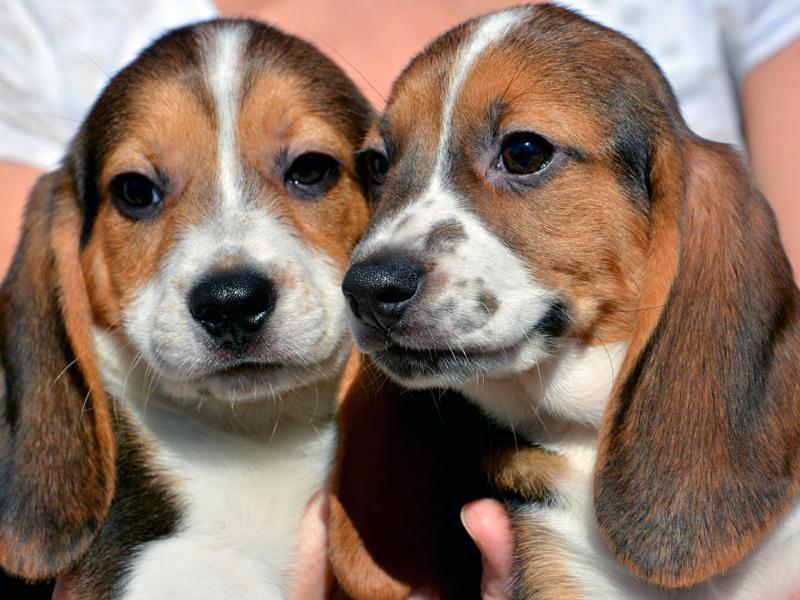
In a scientific breakthrough decades in the making, the first litter of puppies conceived through in vitro fertilisation has been born, US researchers announced
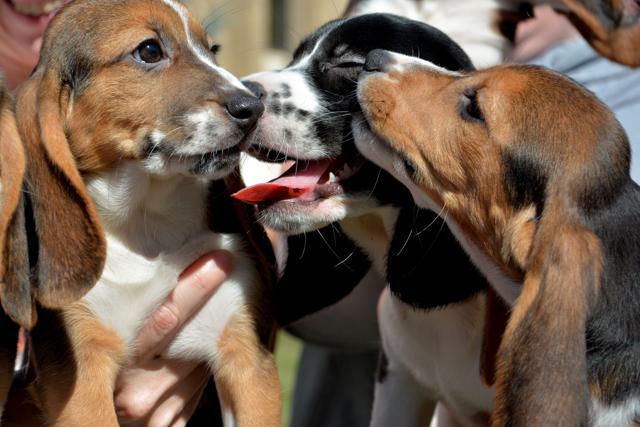
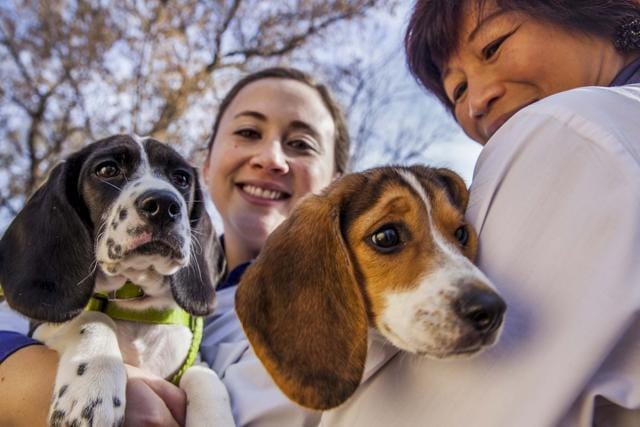
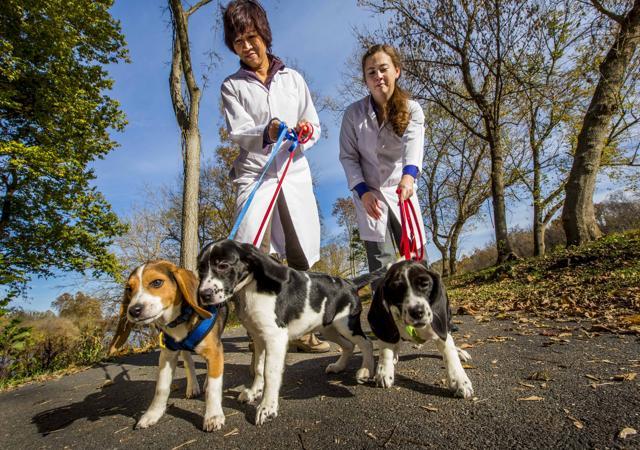
In a scientific breakthrough decades in the making, the first litter of puppies conceived through in vitro fertilisation has been born, US researchers announced Wednesday. A female dog into which 19 embryos were transferred gave birth in July to seven healthy puppies, according to the researchers from Cornell University.
Two of the puppies are from a Beagle mother and a Cocker Spaniel father, and the remaining five are from two Beagle pairs. “Since the mid-1970s, people have been trying to do this in a dog and have been unsuccessful,” said Alex Travis, associate professor of reproductive biology in the Baker Institute for Animal Health at Cornell University’s College of Veterinary Medicine.
The findings were published in the Public Library of Science ONE journal. The researchers said the success has big ramifications for wildlife conservation. “We can freeze and bank sperm, and use it for artificial insemination. We can also freeze oocytes, but in the absence of in vitro fertilization, we couldn’t use them,” Travis said. “Now we can use this technique to conserve the genetics of endangered species.”
It also could help eradicate heritable diseases in dogs, according to the researchers. “With a combination of gene editing techniques and IVF, we can potentially prevent genetic disease before it starts,” Travis said.
Successful in vitro fertilisation requires fertilising a mature egg with a sperm to produce an embryo, which is then inserted at just the right time into a female. With multiple factors at play, the researchers faced several hurdles along the way, including collecting mature eggs from the female oviduct, simulating how the female tract prepares sperm for fertilisation in the lab and freezing the embryos. It was in 1978 that the first human “test tube” baby was born in Britain, where the technique was developed.
Watch | World’s first test tube puppies born in US


