
 E-Paper



Highlights of Maharashtra Assembly elections 2019
There are certain aspects of this election that were noticeable during the past month


Voting is finally over. The exit polls have predicted a comfortable victory for the BJP-Shiv Sena alliance. The prediction has not come as a surprise, though there are different opinions over the figures. The picture will be clear on Thursday when the votes are counted. There are certain aspects of this election that were noticeable during the past month when political parties launched their campaigns to get the mandate to rule the state.
Strategically, for a party, setting the agenda of an election is an important step towards winning it. The other parties are then forced to simply react. In this election, the agenda was set by the ruling parties. Chief minister Devendra Fadnavis took out his statewide Mahajandesh Yatra with a narrative that his government had performed well. In the second stage of their campaign, the BJP went to town over the Centre’s decision to scrap Article 370 in Kashmir. The Opposition started raising issues such as impact of slowdown, job shortage and farm crisis but by then BJP had seized the initiative.
Allegations of corruption damaged the Congress-NCP to a great extent, ahead of 2014 elections. The Opposition levelled several allegations against ministers in the Fadnavis government, yet during the election campaign, none of the same were raised by them. On the other hand, the cases like Maharashtra State Cooperative (MSC) Bank kept the focus on the allegations against the Opposition.
In the absence of any Congress leader running the campaign, NCP chief Sharad Pawar led the Opposition fight against the BJP-Sena. He used the MSC Bank case issue to his advantage. The NCP units in the party’s traditional areas tried to create sympathy for the leader. Could Pawar connect to young voters? It will be clear by Thursday.
The BJP announced in advance that Fadnavis will be the chief minister if the party was voted to power. Last time a party had projected such leadership was in 1990 when the Congress had fought the election under then-chief minister Sharad Pawar.
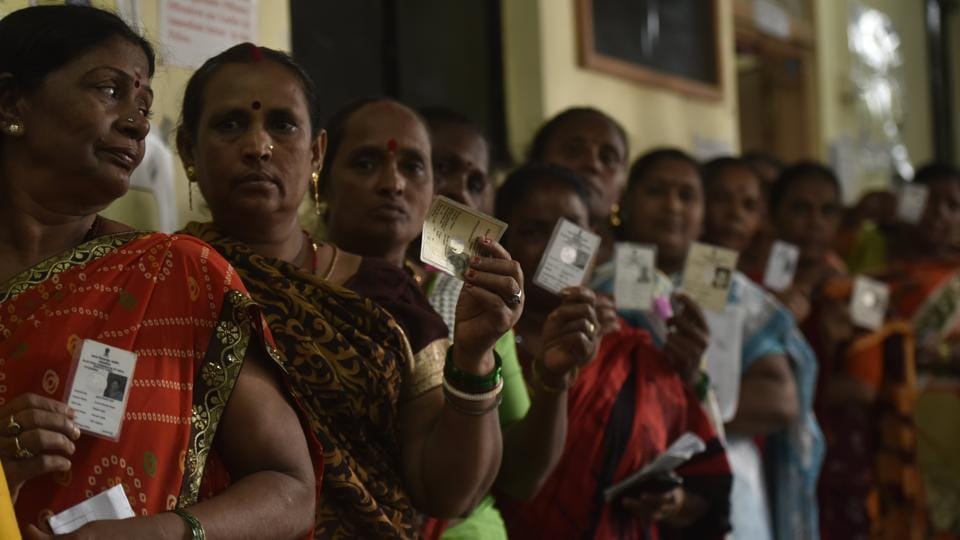
Compared to the past three elections, there was much less enthusiasm visible among the voters. According to analysts, the reasons could be the perception of a one-sided election or unhappiness among the people affected by the slowdown.
With most of their leaders busy guarding their home turf or constituencies, Congress sort of decentralised the campaign. At the state level, there were very few campaign meetings except the ones addressed by Rahul Gandhi. Their leaders concentrated on winning or retaining their constituencies. Did it work? The results on Thursday will offer answers.


Stay updated with all the Breaking News and Latest News from Mumbai. Click here for comprehensive coverage of top Cities including Bengaluru, Delhi, Hyderabad, and more across India along with Stay informed on the latest happenings in World News.


