
 E-Paper



Mumbai Guide: 5 things you didn’t know about the St Andrew Church
Parish priest Father Caesar D’Mello shares some interesting anecdotes about the St Andrew Church in Bandra.


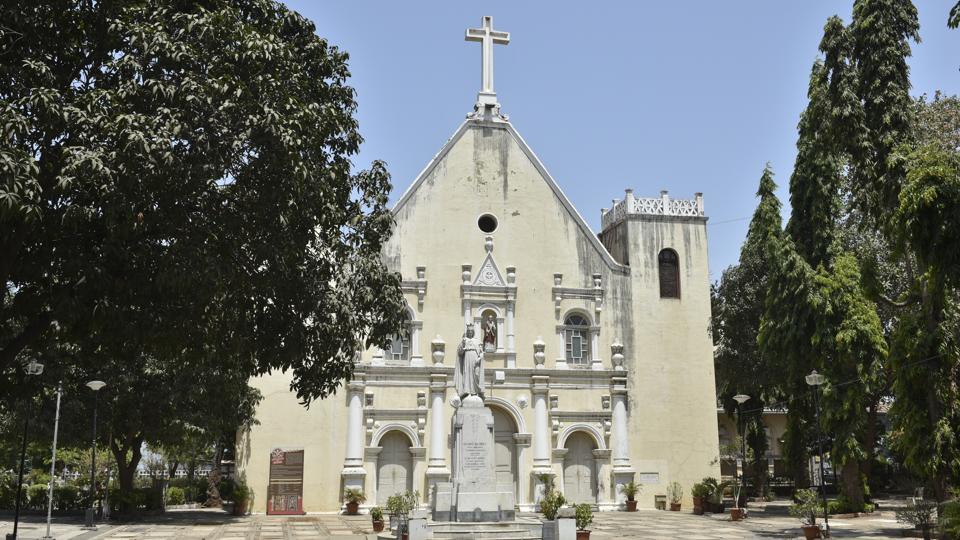
1) The St Andrew Church was originally built overlooking the sea in 1595 by Portuguese Jesuits. The church got its first parish in 1616. It is 50 years older than the Taj Mahal in Agra and is one of the oldest churches in Bandra. Churches built prior to St Andrew include Santa Anna (near Bandra station), built in 1583. In 1737, the Marathas held siege over Bandra for two years. But St Andrew remained untouched while Santa Anna and Mount Mary were destroyed. It was perhaps because unlike these two churches, which were at a vantage point, St Andrew was not considered strategically dangerous by the Marathas.
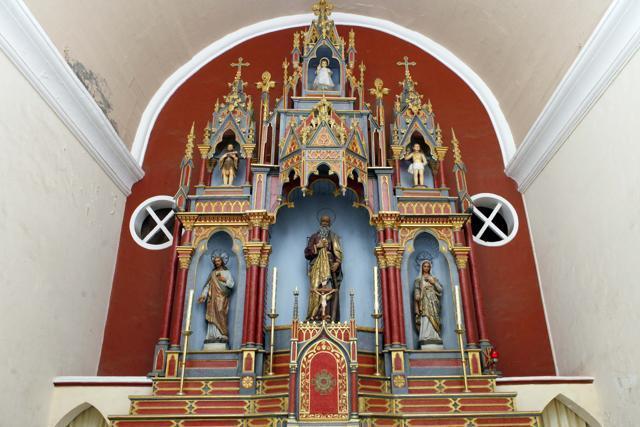
2) The main altar was constructed with teakwood in 1906, the previous one having been destroyed by termites. A life-size statue of St Andrew in the main altar holds an X-shaped cross, because when he was to be crucified, St Andrew asked that he not be hung upon a conventional cross, as he felt he was unworthy of dying on the same cross as Jesus. The side altar showcases the ‘Golgotha base’ on which the crucifix is planted. The skull and crossbones are symbols of death. They are under Jesus’ feet to symbolise Christ conquering death.
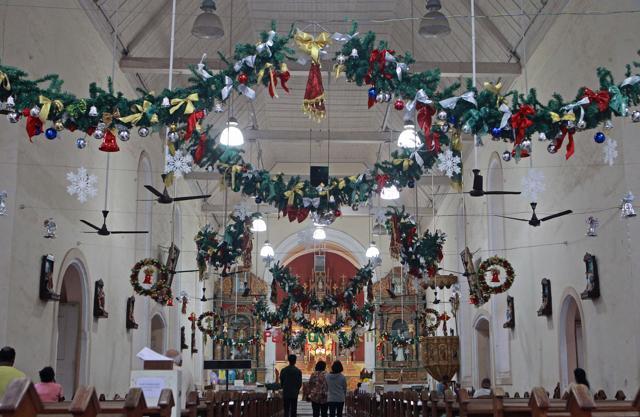
3) The walls are over five-feet thick and were built using limestone and mortar. The benches are made of teakwood from Tungareshwar forests near Vasai.
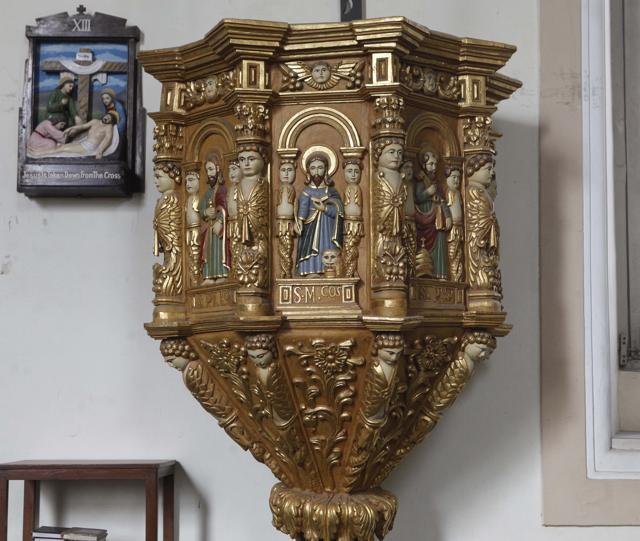
4) Originally, entry to the pulpit was by stone steps from the exterior of the church. These were demolished in 1963 and two panels were removed. Strangely, the panels later surfaced in Australia, in 1999.
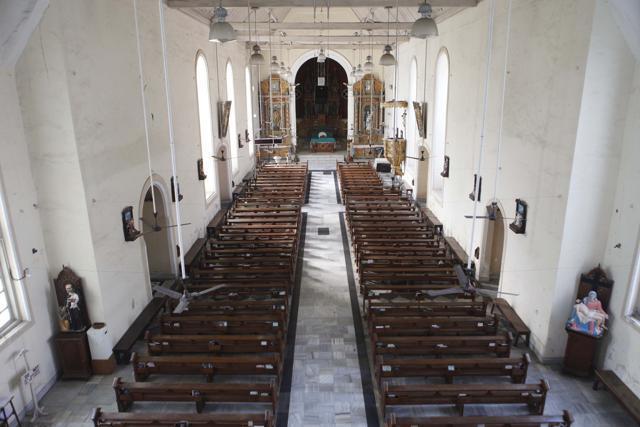
5) It is designed in such a way that during the spring (March 21) and winter equinoxes (September 22), the sun beam falls directly on the arch of the sanctuary of the church at 7am.
Stay updated with all the Breaking News and Latest News from Mumbai. Click here for comprehensive coverage of top Cities including Bengaluru, Delhi, Hyderabad, and more across India along with Stay informed on the latest happenings in World News.


