E-Paper



Trump extends $100K H-1B fee by 12 months; India, with 71% share, most affected
The H-1B program allows US employers to hire skilled foreign workers, including professionals in the technology sector, for jobs in the country for years.

 Prefer HTon Google


US President Donald Trump has extended his push to impose a $100,000 fee on H-1B visas for another year, until September 21, 2027, keeping the immigration measure in place as legal challenges against it continue in US courts.
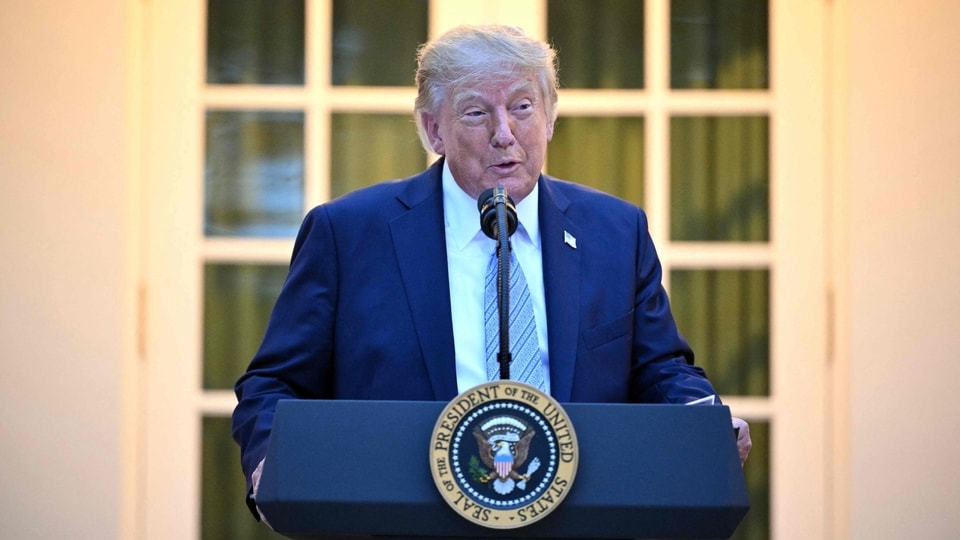
The White House said that Trump had extended the executive order that introduced the proposed fee hike. The order, first issued in September 2025, was due to expire this month.
The H-1B program allows US employers to hire skilled foreign workers, including professionals in the technology sector, for jobs in the country for several years.
What Trump’s new H-1B order says
The White House said the original September 2025 proclamation was aimed at what the administration described as abuses of the H-1B program, particularly by IT staffing and outsourcing companies.
According to the proclamation, such companies had used H-1B workers for lower-paid positions and, in some cases, subsequently outsourced jobs overseas. The administration said this had contributed to wage suppression and made it harder for some US workers and recent STEM graduates to find employment.
The administration said the $100,000 payment has been made for more than 700 petitions since the original restriction took effect on September 21, 2025.
The latest proclamation also points to changes made to the H-1B selection process. A DHS rule introduced a weighted selection system that prioritizes higher-skilled and higher-paid applicants. The rule was used for the FY 2027 H-1B cap season.
White House cites changes in H-1B filings
The administration said the policy has already changed H-1B filing patterns.
The proclamation says the largest IT staffing and outsourcing companies reduced their combined H-1B registrations from 24,946 to 2,055, a 92% decline. It also cites a nearly 97% reduction in consular-processing requests between the FY 2025 and FY 2027 cap seasons.
The White House also said the share of FY 2027 registrants with at least a US master's degree increased from 45.1% for FY 2026 to 66.1% for FY 2027. Registrations corresponding to the two highest wage levels accounted for about 46.3% of selections, while the lowest wage level accounted for 17.8%.
The administration attributed these shifts to the combined effect of the $100,000 payment and weighted selection system.
Why the extension matters for Indians
The development is particularly relevant to Indian professionals because Indians account for the largest share of approved H-1B beneficiaries by country of birth. USCIS data for FY2024 shows that 71% of approved H-1B petitions were for beneficiaries born in India, compared with about 12% for China.
For Indian workers outside the US who receive H-1B opportunities requiring entry into the country, the legal status of the $100,000 payment could therefore have significant consequences for employers and visa applicants.
The September 18 proclamation also requires the administration to review the restriction after the next H-1B lottery and recommend whether it should be extended again.
The Department of Homeland Security has also proposed a $103,265 H-1B fee under a different legal authority. That proposal is separate from the $100,000 payment.