E-Paper



‘H-1B should not replace Americans’: JD Vance says US needs ‘actual geniuses'
US Vice President JD Vance supports tightening the H-1B visa program to attract skilled talent and prevent American job displacement.

 Prefer HTon Google


US Vice President JD Vance has defended the Trump administration’s efforts to tighten the H-1B visa program, saying the system should be used to attract highly skilled talent rather than allow companies to replace American workers with lower-paid foreign employees.
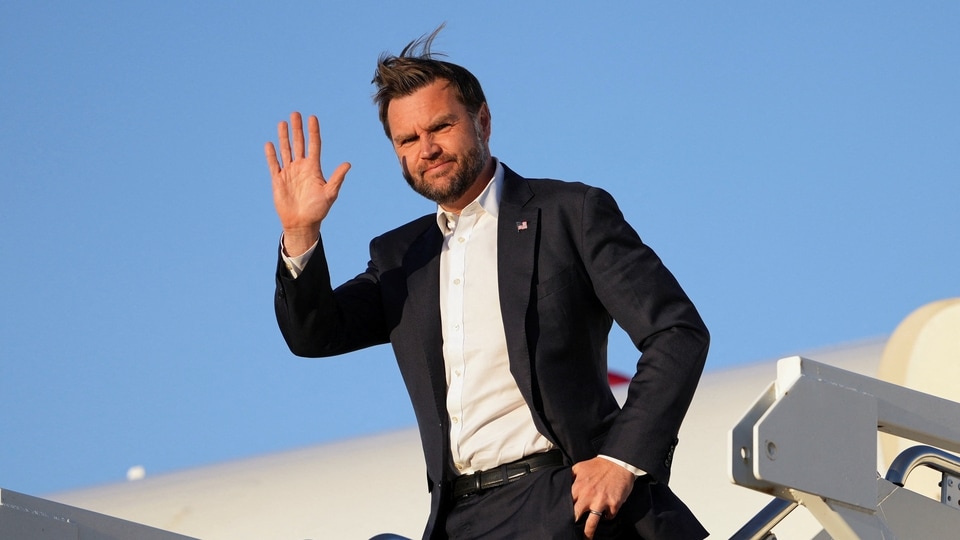
Speaking on the All-In Podcast, Vance said the administration was pursuing changes through executive and administrative measures because he believed Congress lacked the political support needed for a broader legislative overhaul of the H-1B program.
“The H-1B should not exist to replace American workers with low-wage foreigners. It should exist to enrich the American economy,” Vance said.
‘We need actual geniuses’: What Vance said about H-1B
Vance said the administration wants to ensure that companies seeking H-1B visas are bringing in workers capable of making a significant contribution to the US economy and technology sector.
He gave the example of a company replacing a US accountant earning $60,000 a year with a foreign worker earning $45,000, arguing that this was not the purpose for which the H-1B program was created.
Vance also questioned companies that claim they cannot find workers while having recently laid off large numbers of American employees.
“If you're laying off American workers, you shouldn't be going to the market searching for foreign workers to replace them,” he said.
His comments come as the Trump administration pursues several changes affecting employment-based immigration, including measures focused on H-1B fees, wages and employer practices.
What Vance says H-1B should do
Vance also cited the administration's previous decision to impose a $100,000 payment on certain new H-1B petitions as part of its effort to make employers more selective about the workers they seek to bring to the US.
Also read: Green Card plans facing new hurdle? US moves to overhaul rules for sponsoring foreign workers
However, the status of that fee has since changed. A federal judge struck down the requirement in June 2026, and the government appealed. The fee is therefore not currently being collected while the legal challenge continues.
He said the program should benefit the US economy by bringing in workers whose skills add value rather than functioning as a way for companies to reduce labor costs.
“We want the H-1B program to bring the best and brightest people into the United States,” he said.
Vance's remarks do not amount to a proposal to abolish the H-1B program. Instead, they outline his stated view that the program should focus on highly skilled foreign workers and should not be used to replace US employees with lower-paid labor.