
 E-Paper



Ensuring a competitive three-player telco market
More competition and a formidable third player in the telecom market help maintain low prices for consumers and defray fears of cartelisation

 Prefer HTon Google


With the decks clear for the government to become a major stakeholder in Vodafone Idea (Vi) Ltd, the development can be seen as much-needed relief to the debt-ridden telco and temporarily put to rest fears of the Indian telecom market becoming a duopoly.
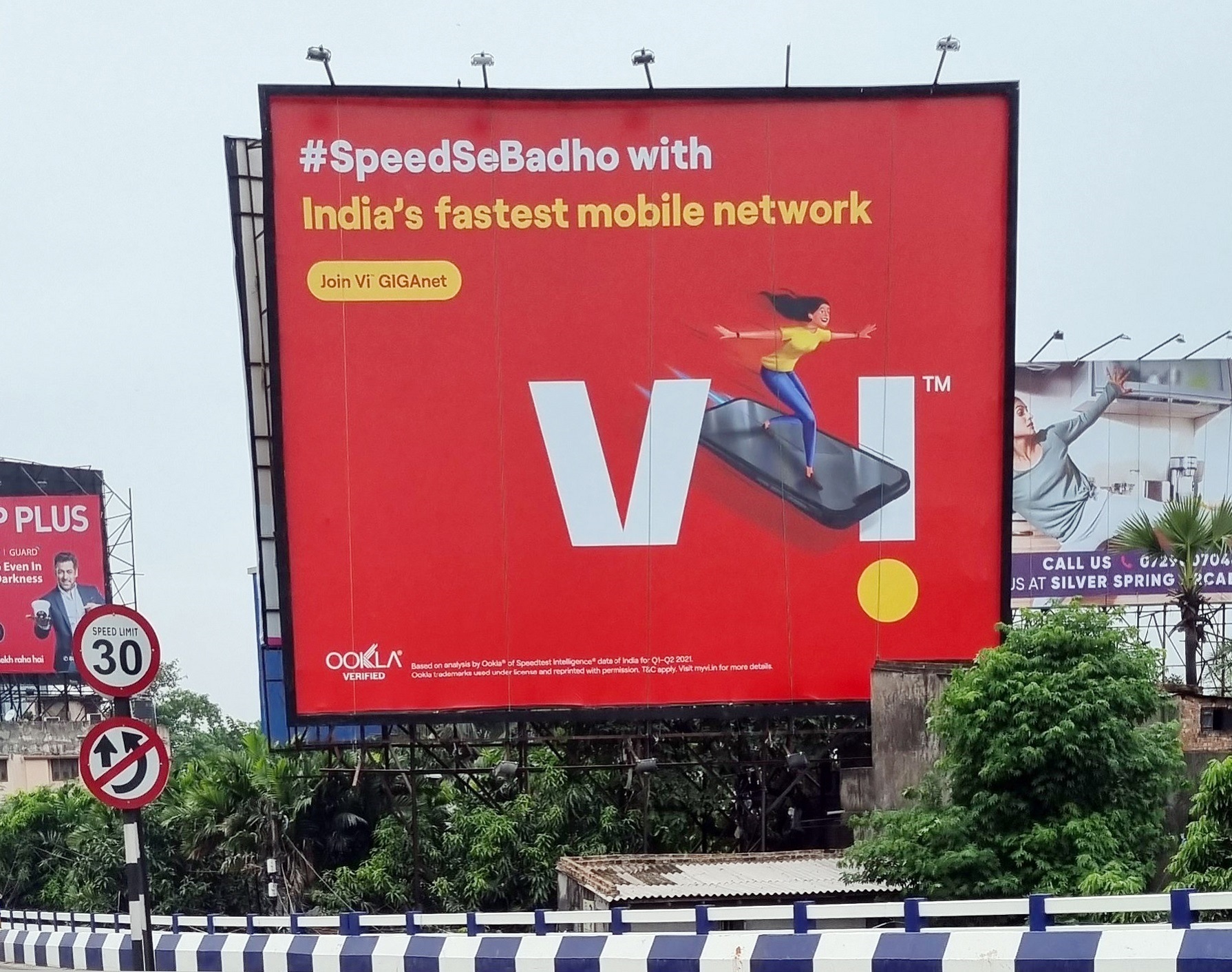
After the conversion of adjusted gross revenue (AGR) dues into equity, the government’s stake will stand at 35.8%, while the current promoter shareholders hold around 28.5% (Vodafone Group) and around 17.8% (Aditya Birla Group). The debt-equity swap will also allow Vodafone Idea to raise fresh capital and use its cash flow for network expansion and enhance its customer base.
For the government, it may be a pragmatic business call to safeguard its debt from going bad and reiterate its firm commitment to a three-player market. Besides, the Centre’s rescue plan presents a unique set of opportunities for India’s stressed telecom sector. Being a dominant shareholder, the government can divest its Bharat Sanchar Nigam Limited (BSNL) ownership and merge it with Vodafone Idea to create a single entity. Such a merger with Vi could be a game-changer.
The State-run telco, which once held a pre-eminent position in the telecom market, is gasping for breath. Like other public sector units (PSUs), BSNL is plagued with multi-faceted issues such as slow decision-making, bureaucratic hurdles, huge salary bills, and lack of timely expansion and upgradation of the network. At a time when 5G technology is knocking on our doors, BSNL is yet to roll out its 4G services. On the other hand, Vi has already upgraded to 4G services and is now gearing up to launch 5G services in the country.
A timely merger with Vi would pave the way for faster adoption of 4G technology in rural areas and accelerate the pace of digitalisation. Vi operates in 22 circles and boasts of a robust wireless infra, while the State-run BSNL operates in 20 circles with significant wired coverage. Add to this the extensive fibre networks of both the companies. This will allow both the telcos to leverage each other’s assets and vastly improve the customer experience while taking on rivals Reliance Jio and Airtel. Vodafone Idea is still the third largest telco, exceeding BSNL by almost 150% in terms of subscriber base.
The State-run telco is surviving on revival packages with little signs of revival. In 2019, BSNL, along with Mahanagar Telephone Nigam Limited, received ₹70,000 crore from the government; a large portion of this bailout package was used to offer a voluntary retirement scheme (VRS) to employees above 50. The government is also looking to monetise BSNL’s non-core assets, including the sale of unused land parcels and real estate. For this purpose, the centre’s disinvestment arm, the department of investment and public asset management (DIPAM), has onboarded the World Bank for advisory services and benchmarked the monetisation process against international best practices.
In the last two years, BSNL has reduced its workforce by nearly 50% but still has a staff strength of around 65,000. Even with staff cuts and government support, the telecom operator’s liabilities came down to only ₹81,156 crore in 2020-21 from ₹87,618 crore in 2019-20. The company is struggling to ensure timely salaries for its employees.
Now, the telco is seeking an additional ₹37,000 crore from the government either as a grant or equity. The funding will be used to build 4G infra and adjust its AGR dues of nearly ₹5,000 crore. Add to this BSNL’s liabilities which is close to ₹81,156 crores. The government is reportedly planning to merge Bharat Broadband Network Limited (BBNL) with BSNL to fast track its ambitious BharatNet project, which aims to connect 600,000 villages with high-speed internet.
Interestingly, this would give BSNL access to ₹60,000 crore, which has been earmarked by Universal Service Obligation Fund (UFOS) to finance such projects. The government can take a leaf from Air India’s sale to Tata Sons. Just like BSNL, Air India had become a money-guzzling entity with huge debts and survived at the mercy of the government. The national carrier received ₹1.10 lakh crore through cash support and loan guarantees for staying afloat. However, the biggest challenge a possible merger would pose is managing BSNL’s massive workforce.
In the case of Tatas, they are under contractual obligation to retain all Air India employees for at least one year from when they start operations, following which they can offer VRS. Still, Air India’s staff count (around 13,000) is one-fifth of BSNL’s (65,000). The question remains: For how long will public money be used to bail out a perennially loss-making entity? How long would the government entrust a task as important as building the nation’s telecom infra to an organisation that has failed miserably? Vi may have been hit by the aggressive entry of Mukesh Ambani’s Reliance Jio and the government’s exorbitant spectrum pricing, but inefficient management was never the case here. For white elephants like BSNL, privatisation is the best possible roadmap.
More competition and a formidable third player in the telecom market help maintain low prices for consumers and defray fears of cartelisation. Also, together with BSNL or MTNL, Vi will have the scale and heft to compete effectively with Jio and Airtel. But most of all, India needs a robust and competitive telecom ecosystem to sustain the growth of the numerous digital-first entities that have become the torchbearers of our economy.
Lloyd Mathias is a business strategist and an angel investor
The views expressed are personal


