
 E-Paper



India must be sharper in dealing with Kabul
India’s Afghan policy needs to move into higher gear, accept realities and deal openly with the Taliban

 Prefer HTon Google


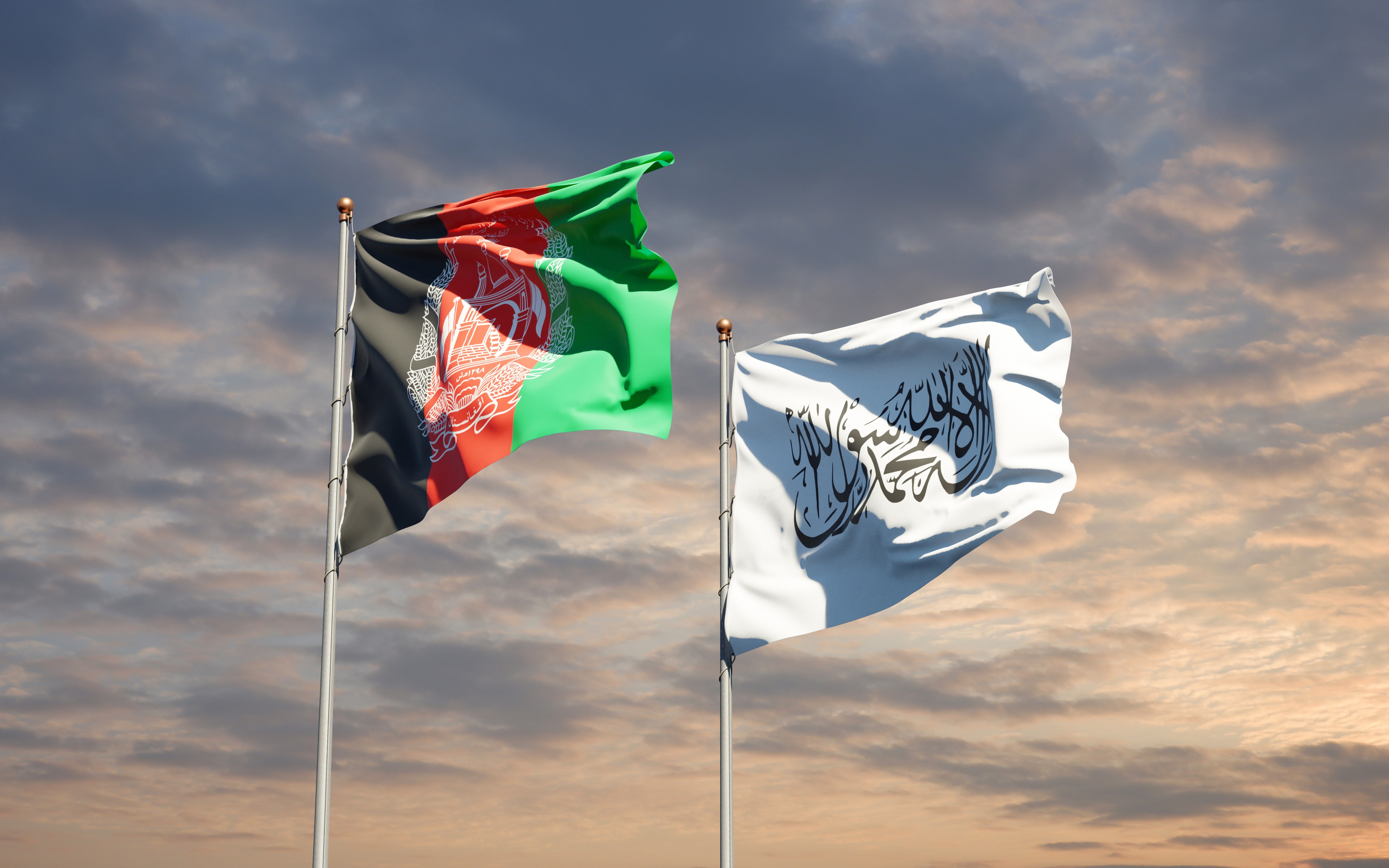
On August 15 last year, the Taliban entered Kabul and President Ashraf Ghani ignominiously fled the country, leading to the collapse of the Afghan Republic. The Taliban move also destroyed the carefully crafted United States (US) plan to install an interim joint Taliban-Afghan Republic government and accomplish an orderly final withdrawal of its troops, masking, however inadequately, its strategic defeat. That was not to be.
What followed was chaos and violence at Kabul airport, including an ISIS attack that left 13 US soldiers dead. This compounded US humiliation. It led to anger in Washington, which, six months on, has hardly abated. In addition to the US, other major powers, including India, were also taken by surprise at the Taliban’s military success; some were also upset. Within a few days of the August changes, the US and other countries raised a set of demands on the Taliban. These have continued though in varying degrees by different countries. In the process, the desperate humanitarian condition of the Afghan people has been inadequately addressed so far.
The major powers have insisted that the Taliban observe globally accepted human rights, especially those on gender issues, not permit terrorist groups in territories under its control and form an inclusive government. As of now, the international community holds that the Taliban has insufficiently addressed any of these concerns. On its part, the group claims that it has responded well on these issues. What is the correct position?
The Taliban’s views on human rights, particularly on gender, derive from its conception of Islam and the conservative traditions of the Pashtun southern heartland. In the past six months, some accounts indicate that it has softened its rigid stand on gender slightly in Kabul and other non-Pashtun cities. But this has not been even remotely enough.
On the terrorist threat from Afghanistan, the United Nations (UN) secretary-general in a recent report to the Security Council on ISIS activities noted, “There are no recent signs that the Taliban has taken steps to limit the activities of foreign terrorist fighters in the country”. It noted though that the Taliban considers ISIS as “its primary armed threat”. The same cannot be said about the Taliban attitude towards al-Qaeda. The Taliban position on terrorism has to be closely monitored.
Recently, a senior Russian diplomat conceded that the Taliban administration includes representatives of different Afghan ethnic groups but said that they are all Taliban members and hence not politically representative. The Taliban, though, has implied that its government was “politically” inclusive because the old bureaucracy continues. Is it likely that the Taliban will include those it defeated militarily?
The gap between the Taliban and the major powers on these matters has resulted in the adoption of a two-pronged global approach towards the Taliban. One, keeping up pressure through a denial of de-jure recognition and, in the US case, by also taking steps to keep Afghan financial assets out of the Taliban’s reach; two, an engagement with it as the de facto power in Afghanistan by different countries to safeguard their security, even economic interests. The bottom line is that neither the great powers nor the regional countries want to destabilise the Taliban regime, leading to a power vacuum in the country.
Within Afghanistan, internal Taliban contradictions between the Kandahar and Khost factions continue but outwardly, it remains unified. Reports indicate that ethnic tensions in the northwest have led to a degree of unrest but there is no evidence of the emergence of any serious organised resistance. In any event, in the absence of a hinterland like Pakistan provided to the Taliban, the possibility of long-term anti-Taliban resistance hardly exists. Meanwhile, there has been a general rise in criminality despite the Taliban’s harsh measures.
Significantly, there have been problems in Taliban-Pakistan relations. These have been on account of resentment among the Taliban at Pakistan’s fencing of the Durand Line, but also, more importantly, in Islamabad, over the Taliban relationship with the Tehreek-e-Taliban-e-Pakistan (TTP). As the TTP supported it over long years, the Taliban is reluctant to damage the Pakistani group’s interests. A leading Pakistani newspaper recently noted, “…the Taliban regime has made clear they will not take coercive action against their former hosts…The most they will do, it appears, is mediate talks between the TTP and the Pakistani government”. This profiles starkly, once again, the enduring verities of Afghan inclinations and behavioural patterns. The obvious lesson for India is not to consider Pakistan-Taliban relations as set in stone against its interests.
Indian policy towards Afghanistan seems to have absorbed, but not adequately, the initial shock of the collapse of the Ghani government in which it invested so much despite clear signs of its weaknesses. India is still reluctant to have sustained open contact with the Taliban – but the despatch of medicines and the soon to begin supply of wheat via Pakistan on Afghan trucks would not have been possible without Indian and Afghan officials working out the required modalities.
These are good developments but India’s Afghan policy needs to move into higher gear, accept realities and deal openly with the Taliban as all the great powers are. Much time has been lost in not having a presence in Kabul; the Taliban is keen that India has one. Policies that ignore former British prime minister Henry Palmerston’s advice on “eternal and perpetual” interests cause lasting damage.
Vivek Katju is a former diplomat
The views expressed are personal


