
 E-Paper



Policies and People | Don’t destroy the Himalayas for tourism gains
Earlier this week, the Uttarakhand High Court stopped the state’s ambitious proposal to open 40 mountains and trails for trekkers. This decision sends out the right signal

 Prefer HTon Google


M Sanjay, a 40-year-old Pondicherry-based doctor and a seasoned trekker, was horrified. While the snow-capped pristine ranges at a distance were a sight to admire and cherish, plastic wrappers, bottles, and all kinds of junk filled the roadside slopes near her.
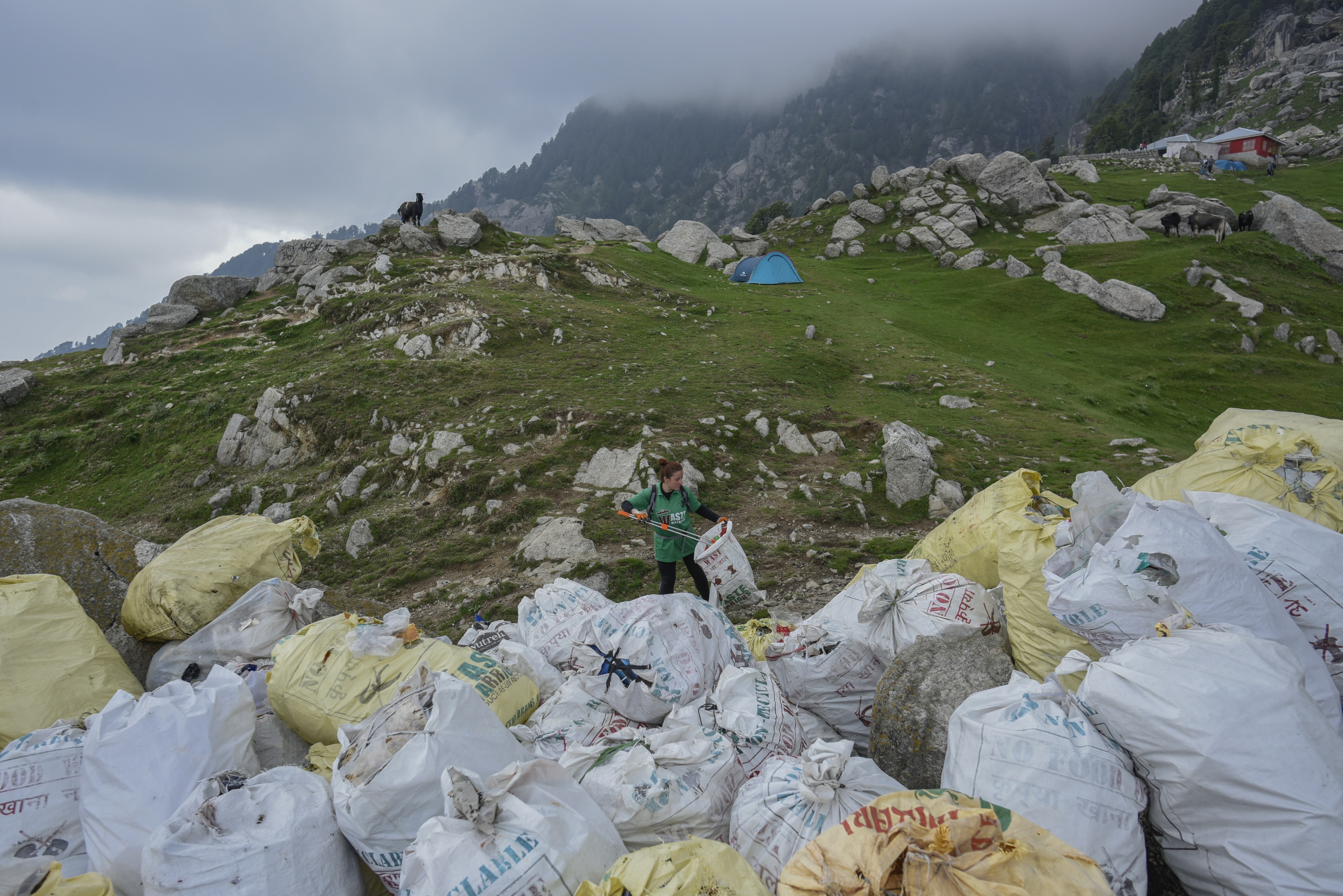
"The villagers blame trekkers for dirtying this beautiful Garhwal town, the trekkers blame villagers," she told me. "In this blame game, the environment loses. Unfortunately, the people don’t even realise that they will be affected too".
With more and more Indians choosing to trek (most without any knowledge of sustainable trekking, an understanding of the fragile ecosystems, waste management challenges in the mountains, and basic civic and common sense), India's mountain regions are getting covered by trash.
Unfortunately, the local communities are equally responsible because they are more interested in the jobs (local guides, porters, and cooks) that adventure tourism creates than the environment that sustains them.
Moreover, even if they collect the trash, most mountain villages have no local, decentralised facility to dispose of the junk safely. So, they either burn or dump the junk on the slopes. And fast moving consumer goods (FMCG) companies are not making enough efforts to remove non-biodegradable waste such as wrappers and plastic bottles.
Uttarakhand HC order: The right step
So, I was delighted to read a story in a national newspaper today. On Wednesday, the report said, the Uttarakhand High Court (HC) halted the state government's ambitious proposal to open 40 mountains and trails for trekkers and ordered the state pollution control board to conduct an environmental audit of the peaks first.
According to the report, a bench of chief justice Vipin Sanghi and justice RD Khulbe gave the order while hearing public interest litigation filed by Almora resident Jitendra Yadav over alleged "ignorance" and "non-observance" of the Extended Producer Responsibility Act and the "failure" of authorities to follow solid waste management rules in the state.
In a terse order, the HC said: "While the state should encourage tourism, the endeavour should be to ensure responsible tourism. This means that before opening up such new areas for tourism an assessment of the impact such endeavours would have, would be made..."
This is a significant order, and the state government must comply with the directive. While creating jobs is essential, keeping the mountain ecosystem clean is equally important. This is because these mountains provide several ecosystem services — wood, pastures for livestock, drinking water, and clean air — that are important to the local areas and the country. These are produced through complex processes, maintained by the community of different species and their interactions between them and with the abiotic environment.
Mountains also have their microclimate. Its unique fauna and flora have a short reproductive time frame and are sensitive to disturbance. Too many trekkers and tourists can upset the natural balance.
It is not only tourists/trekkers but vehicles that ply to base camps that pollute these areas. Unfortunately, we still don't know how these factors could lead to the degradation of permafrost and glacier shrinkage because every aspect is so dynamic in the mountains. For example, permafrost is permanently frozen soil and occurs primarily in high latitudes, and its melting has been known to cause erosion, the disappearance of lakes, landslides, and ground subsidence.
In a climate-hit world, India must do its bit — and more — to save these important and fragile mountain ecosystems, not destroy them for short-term economic and political gains.
The views expressed are personal


