
 E-Paper



Poor policy gives a good biofuel bad rep
Without a careful consideration of key issues, higher ethanol blending may fuel an environmental and agricultural disaster in the long-run

 Prefer HTon Google


India’s ambitious biofuels programme is at a crossroads, not least because the country’s chief economic adviser, V Anantha Nageswaran, in a recent newspaper article, cautioned against moving to higher ethanol blends without proper assessments and even advocated bringing back the lower E10 blend for older vehicles. His warning is remarkable because it is rare for government economists to air views that don’t explicitly agree with current policy. In the public’s imagination, the issue still is largely about the “corrosive” effects of E20 petrol on vehicles not equipped to handle the fuel blend. The real issue is much deeper, one tied to food security and sustainability in the world’s most populous nation.
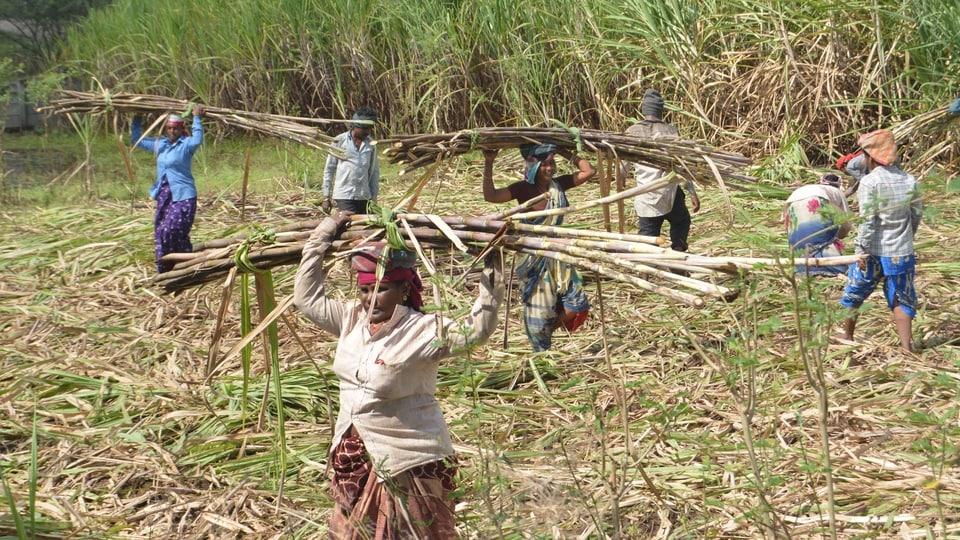
Ethanol blending isn’t necessarily a bad policy. Done right, it can benefit farmers. In fact, it has benefited sugarcane growers by improving the ability of millers to make timely payments to them. However, it’s time the government thoroughly reviewed the blending programme and its longer-term impact on agriculture, food systems and the larger economy for three reasons.
One, the blending programme that began with the National Biofuel Policy 2018 has now entered a high-blend phase. In June, 48 retail outlets of public oil marketing companies started dispensing E85 for so-called flex fuel vehicles. This followed a draft notification of the road transport and highways ministry issued on April 27, 2026, allowing flex-fuel vehicles running on E85 and E100. There are no publicly available records of the rationale behind this sudden move up the ethanol value chain.
Two, a move to higher petrol blends is outside the scope of the National Biofuel Policy 2018, as amended in 2022. The government’s gazette notification, amending the biofuels policy and published on 15 June 2022, increases the blending percentage to E20 for petrol by ‘ethanol supply year 2025-26’ and biodiesel to 5% by 2030. It’s important to note that the April 27 draft gazette notification, which introduces E85 and E100, pertains to the Central Motor Vehicles Rules 1989, allowing flex-fuel vehicles, which can handle higher ethanol blends. It doesn’t amend the biofuel programme itself.
The third reason why a review of the biofuels programme is necessary, is to have an updated cost-benefit analysis at higher blends, drawing especially from data from the past seven years or so. It’s not helpful to have a dogmatic ‘crops are for food, not fuel’ position that biofuel critics hold. Surplus biomass can and should be converted to fuel if it is sustainable. However, the government ought to carefully weigh its current ethanol incentive structure, which is tilted towards two water-guzzling crops: sugarcane and rice.
Financial incentives, including a discounted Good and Services Tax rate, have pushed up distillers’ capacity to produce ethanol, which now stands at an annual 8.38 billion litres. With such massive capacity, distillers would naturally want authorities to ramp up blending. By 2025, the government’s target was to divert up to six million tonnes of sugar to ethanol. The sugar industry has requested the government to reserve at least 50% of total ethanol procurement from sugarcane-based feedstock. As for rice, the food ministry has been allocating rice owned by it to ethanol distilleries at a heavily subsidised price of ₹2,320 per quintal, nearly 40% below its acquisition costs. As per Nageswaran’s estimates, blends higher than E20 can only come from foodgrain. So, not only is this a perverse incentive, but it could indeed lead to fuel crowding out food.
Incentivising water-intensive, irrigation-dependent crops, such as rice and cane, for ethanol will deepen India’s longstanding problems of unsustainable agriculture. The US and Brazil, major ethanol producers, use corn (maize) and cane as feedstock. However, unlike in India, a majority of the area of these crops in these countries are irrigated by rain, not by groundwater. Corn can be a hardy alternative crop but its productivity is too low — four tonne per hectare compared to the US’s 13-14 tonne — to sustain higher ethanol demand. Without a careful consideration of these key issues, higher ethanol blending may fuel an environmental and agricultural disaster in the long-run.
Zia Haq is a policy analyst. The views expressed are personal


