
 E-Paper



Scientifically Speaking | Nobel Prize-winning gene editing tech offers a ray of hope for blood disorders
The US and UK have approved a therapy for treating sickle-cell disease and beta-thalassaemia — a historic breakthrough

 Prefer HTon Google


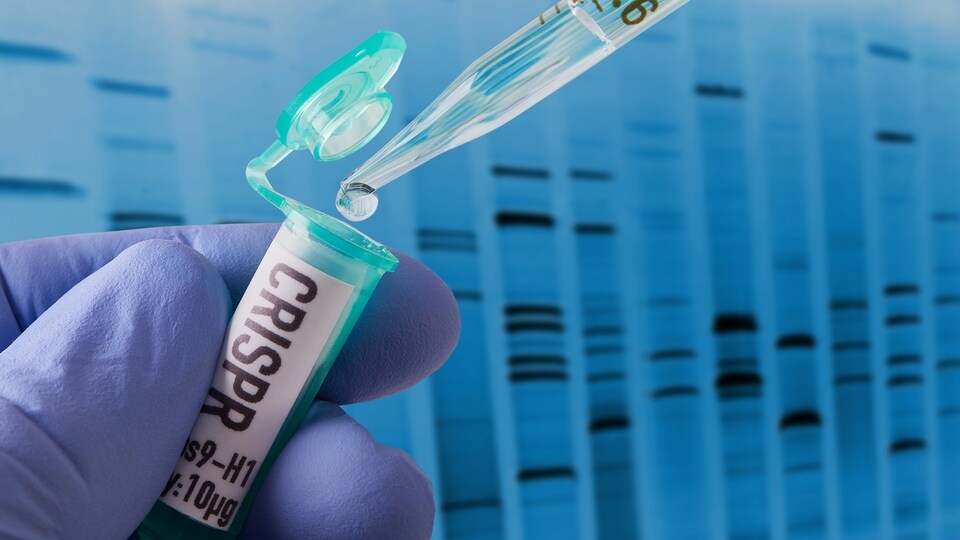
The United Kingdom and the United States have made a groundbreaking decision to approve gene editing technology known as CRISPR for the treatment of sickle-cell disease and beta-thalassaemia. This approval revolutionises the treatment of both of these blood disorders and sets the stage for the use of gene editing for other serious inherited diseases that are not treatable by conventional means. It is still early to know if gene editing will provide a permanent solution — many commentators are already using the c-word, “cure”, to highlight the potential of CRISPR; the technology that fetched its discoverers the Nobel Prize in Chemistry in 2020.
Sickle-cell disease and beta-thalassaemia are both caused by genetic errors that affect haemoglobin, the molecule in red blood cells responsible for transporting oxygen. In sickle-cell disease, this leads to deformed and sticky blood cells that clump together and block blood vessels, resulting in reduced oxygen delivery to body tissues, and ultimately severe pain. People with beta-thalassaemia typically require regular blood transfusions because their condition leads to low levels of healthy red blood cells and haemoglobin. This results in anaemia, causing symptoms such as fatigue and weakness. Blood transfusions provide them with the necessary red blood cells and haemoglobin that their bodies cannot produce sufficiently on their own.
In India, according to a review published in the Indian Journal of Medical Research in 2016 by Graham Serjeant, Kanjaksha Ghosh, and Jyotish Patel, the prevalence of sickle cell disease is “largely undocumented.” The sickle-cell gene, first identified in the Nilgiri hills of Tamil Nadu in 1952, is prevalent among populations in central India's Deccan plateau and parts of Kerala and Tamil Nadu, with the sickle-cell trait found in up to 35% of some communities, as detailed by the Anthropological Survey of India.
Beta-thalassemia impacts India greatly affecting an estimated 2.9 to 4.6% of the population. In a speech delivered last year at the Thalassemia and Sickle Cell Society in Hyderabad, former Vice President M. Venkaiah Naidu noted that “approximately 30 million Indians are silent carriers of beta-thalassemia and lead a normal life”, adding that “the available treatment options for this genetic condition- bone marrow transplantation or regular blood transfusion - are cost-intensive and distressing to children.”
Beta-thalassemia affects populations worldwide, but it is most prevalent in the Mediterranean region, parts of Africa, the Indian subcontinent, and Southeast Asia. This genetic blood disorder results in the reduced or absent synthesis of beta-globin chains in haemoglobin, leading to anaemia. Living with beta-thalassemia can be burdensome both physically and psychologically. The requirement for ongoing medical care, the risk of complications, and the impact on quality of life make it a challenging condition. Economically, the cost of treatments like blood transfusions and iron chelation therapy is substantial, impacting both individual patients and healthcare systems.
In mid-November, the UK became the first country to approve CRISPR therapy for both sickle-cell disease and beta-thalassaemia when its Medicines and Healthcare Products Regulatory Agency approved the treatment called Casgevy, after years of research and development by Vertex Pharmaceuticals in Boston, Massachusetts, and CRISPR Therapeutics in Zug, Switzerland.
On December 8, the US Food and Drug Administration followed suit and approved Casgevy for the treatment of sickle-cell disease in patients aged 12 years and older. The European Union expected to approve Casgevy next year. The FDA is also reviewing Casgevy for beta-thalassemia — a decision is expected by March 30. There are around 2,000 patients who stand to benefit from the treatment for sickle-cell disease in the UK and around 100,000 in the US – a majority of patients globally are of African origin.
The FDA also approved another gene therapy for sickle-cell disease named Lyfgenia, developed by Bluebird Bio, a biotechnology company that develops gene therapies for genetic disorders.
Casgevy targets a gene called BCL11A that typically prevents the production of foetal to adult haemoglobin. By disrupting this gene, the therapy promotes the production of foetal haemoglobin, which doesn't have the abnormalities found in adult haemoglobin in people with these diseases. The treatment involves extracting blood-producing stem cells from a patient, editing them with CRISPR, and then infusing the modified cells back into the patient. This process requires the patient to undergo a preparatory treatment and spend a significant time in the hospital.
Clinical trials have shown promising results. In the sickle-cell disease trial, 28 out of 29 participants experienced complete relief from pain episodes for at least a year following treatment likely as a result of greater oxygenation. Similarly, in the beta-thalassaemia trial, 39 out of 42 participants did not require a red blood cell transfusion for at least a year.
The safety of Casgevy is being closely monitored. These therapies require extensive hospital stays and can have severe side effects, including infections, nausea, and infertility. It also weakens the immune system, raising the risk of infection.
Then, there’s the matter of the hefty price tag. In the US, Casgevy is priced at $2.2 million, while Bluebird’s Lyfgenia costs $3.1 million.
With broader availability and equitable access to therapy where the burden of disease is highest, CRISPR therapy could be a much-needed solution. However, this cutting-edge technology is not scheduled for immediate rollout in parts of the world where the vast majority of sufferers of sickle-cell disease and beta-thalassaemia live. For example, babies with sickle cell disease increased by nearly 14% globally between 2000 and 2021 – an increase attributable to population growth in Africa and the Caribbean (where most people are of African origin).
The complexity and cost of treatment make it likely that it will initially be available only in wealthy nations with advanced healthcare systems.
Anirban Mahapatra is a scientist by training and the author of COVID-19: Separating Fact From Fiction. He is currently finishing up his second popular science book. The views expressed are personal


