
 E-Paper



Time’s up?
How power protects men—and what happens when we stop looking away

 Prefer HTon Google


What a week. One comedian finds out that rape is no joke and is sent off to jail for ten-and-a-half years. Another is under police investigation for allegations of grooming teenage girls, some as young as 15.
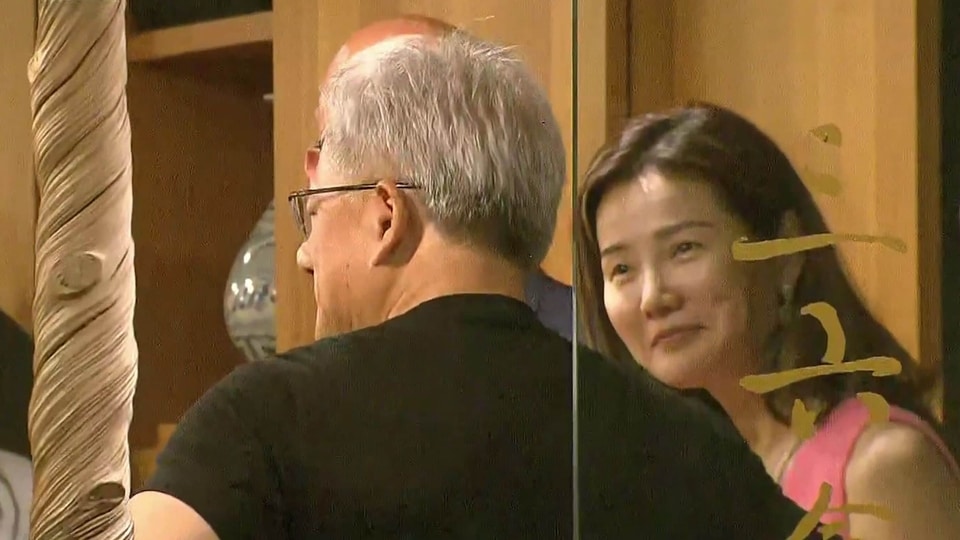
And then there is Jensen Huang and what some are calling the “costliest fling in human history”. Revelations of an affair with a woman who the US government says is a Chinese spy have wiped out over $600 billion in Nvidia’s value.
Even as Huang issued an apology to his family and Nvidia employees, admitting he had been unfaithful to his wife, came the next storm. The New York Times reported on a second affair, this one with an Nvidia employee who reported directly to him.
By the time Reuters reported a third relationship, also with an employee, on November 12, Huang had put in his papers. Chief financial officer Colette Kress will take charge as the Board scrambles to find a successor to what was until recently the most valuable company in the world at $5.8 trillion.
In the old days, we’d call it an old-fashioned affair. But in the post MeToo era, affairs between bosses and subordinates take on a different colour, raising questions about conflict of interest, unequal power equations and sheer impropriety. Nvidia’s code of conduct classifies personal relationships as potential conflicts of interest that must be disclosed. Why should its superstar founder be exempt?
Questions about Alice Huang’s alleged links to espionage were raised as early as 2024, when the two were seen together in Taipei. A New York Times story suggested a special relationship—she told a group of tech executives in June 2024, ‘I can get Jensen here,’ and she did, well past midnight.
The story focused on whether her company, the Singapore-based MegaSpeed, was circumventing a ban on the export of US-made chips to China. By September 2024, the US government had begun an investigation into MegaSpeed. In October 2025, US president Donald Trump was reportedly briefed by officials that Alice Huang was a Chinese spy (Trump says he can’t remember the briefing).
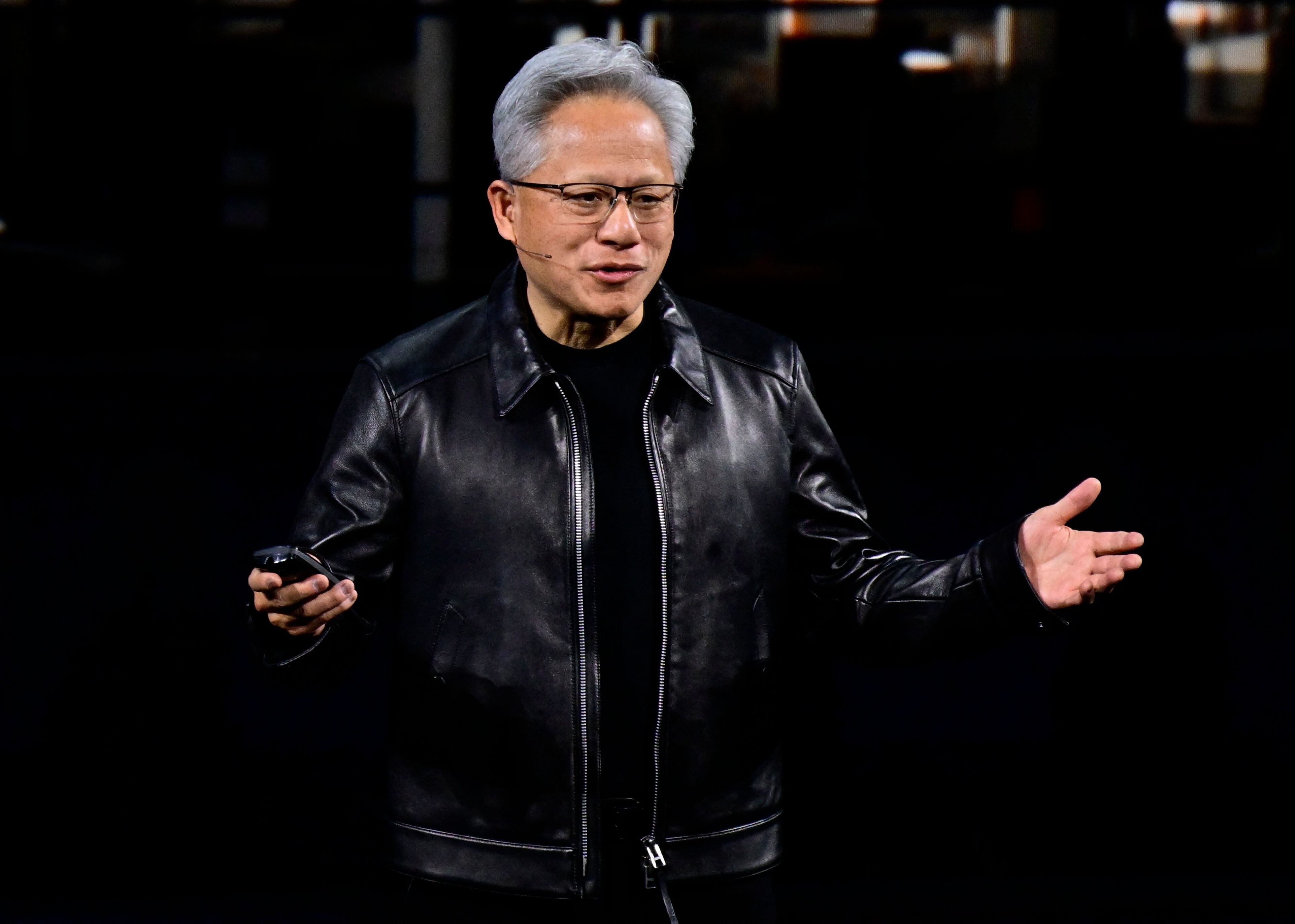
The unravelling of a company built over 33 years in two short weeks has all the elements of ambition, hubris and downfall. Yet, Nvidia’s founder has been shown extraordinary grace. Following the New York Times report on the US government’s suspicions about Alice Huang, the company insisted, “Jensen’s interactions with Ms Huang are not unusual.” As recently as May this year, Jensen Huang joined president Donald Trump for a summit with Xi Jinping. Questions are now being raised about how and why commerce secretary Howard Lutnick allowed the chip sale to a company linked to an alleged Chinese spy.
The end of impunity?
The MeToo movement of 2017 gave women the language and the space to have conversations about sexual misconduct, particularly by powerful men who used their position to prey on younger, subordinate women. What were once “open secrets” are now far more likely to be discussed in public.
Huang’s consensual affair with a woman accused of being a Chinese spy is the headline-screamer but it is his relationships with at least two employees of his firm that are impossible to defend. How much did the Board know, and to what extent did it look away?
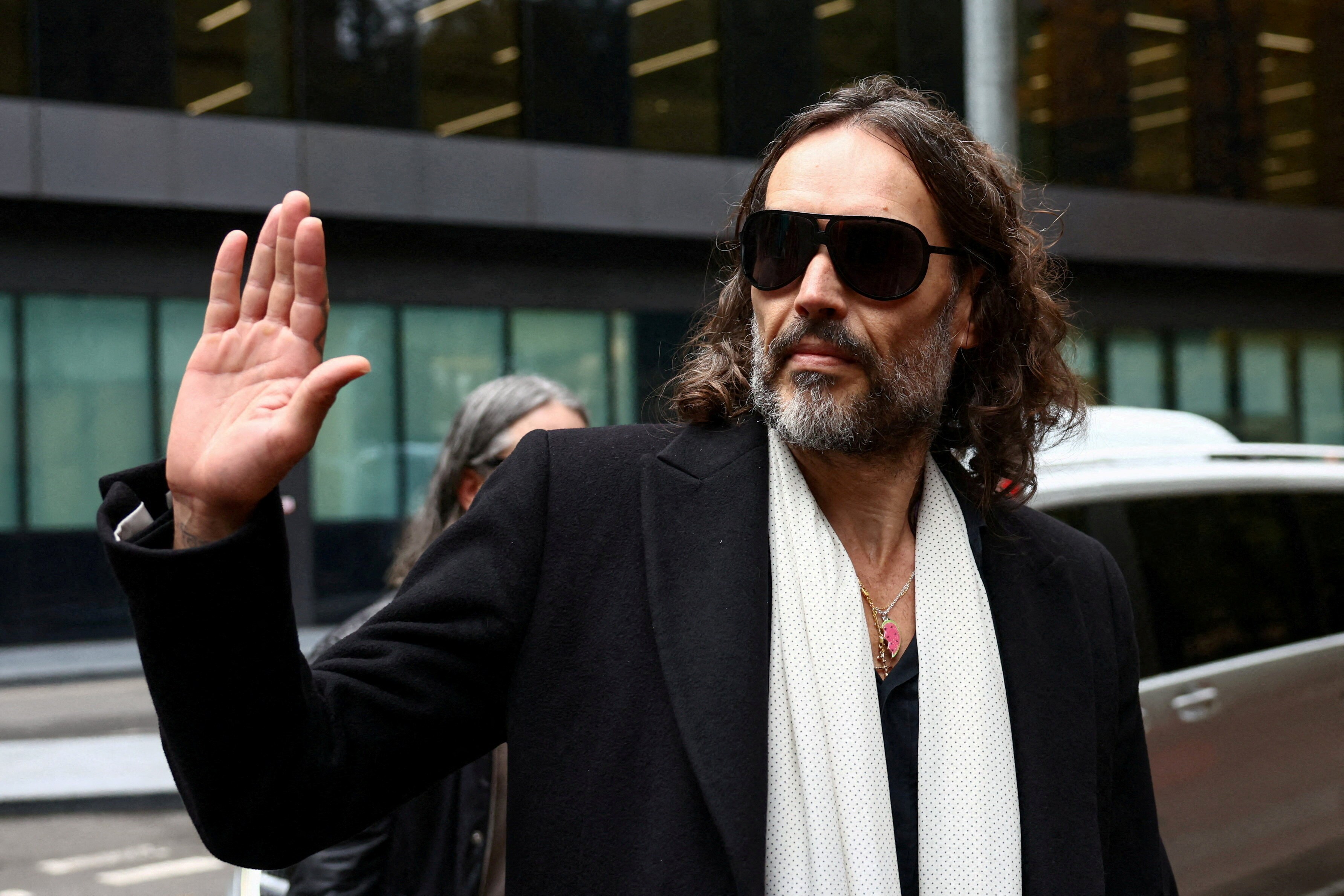
British comedian-actor Russell Brand’s conviction for rape and sexual assault sends a welcome signal to women that they don’t have to remain silent, and that justice, no matter how delayed, is possible. Justice Bennathan is being praised for his clarity in dispelling rape myths and told Brand: “Whatever women wear, wherever they go, whatever they drink, they retain the right to say no and demand justice in the criminal courts when sexual predators…act without their consent.”
The courage of the women who came forward and testified against Brand has sent a welcome signal to others who may now feel encouraged to speak up. A day after Brand’s sentencing, British police opened an investigation into children’s author and TV personality David Walliams following allegations of sexual offenses and claims that he had used his fame to groom girls and young women for sex, some as young as 15. The two cases in such quick succession raise a host of questions about what was earlier a rumour about sexual abuse in the entertainment business. Can one hope that it’s no longer possible to keep looking away?

It’s too early to say whether a reckoning is on the horizon. At the prestigious Cornell University, serious questions have been raised about the institutional failure to respond to the 2024 gang rape of a young student at a fraternity house. The student complained. Nothing happened. She dropped out, asking for a fee refund. Her request was denied.
After she filed a civil lawsuit against the university in September this year, New York governor Kathy Hochul reopened an investigation into the case and how it was handled. She has promised to pursue prosecutions if necessary.
An affair and an abuse of workplace authority are not the same as sexual assault or the grooming of young girls or the disregard of consent. But the disparate, unconnected cases tell us one thing: The sense of impunity enjoyed by powerful men is increasingly being questioned.
MeToo changed the conversation. But has it changed the structure of power that enables abuse? Almost a decade after the movement burst into global consciousness, perhaps the question to ask is not what it will take to bring down a few individual men. The more important question is this: what will it take to make institutions accountable and change the culture that enables sexual abuse in the first place.


