
 E-Paper



Photos: “Centralia,” a docu-fiction set in the jungles of central India
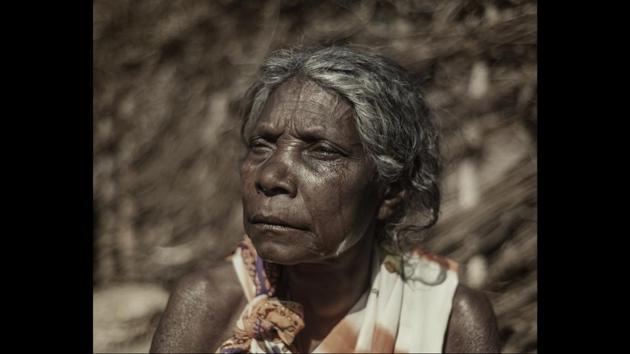
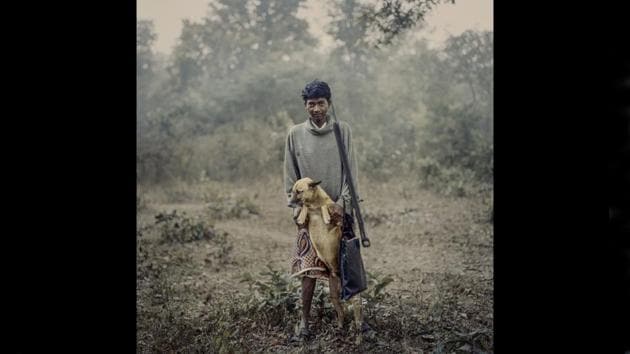
The photobook "Centralia" by Poulomi Basu, is an Indian docu-fiction that journeys deep into the forests of central India, where a little known and under reported conflict between an indigenous tribal people and the State slowly simmers. Centralia explores the unsteady relationship between reality and fiction and how our perceptions of reality and truth are manipulated. Poulomi Basu was the first-prize winner for PHmuseum’s 2018 Grant.
Updated on: Sept 26, 2020 6:01 PM IST


Share via


Copy link

1/11
 View Photos in a new improved layout
Updated on Sept 26, 2020 6:01 PM
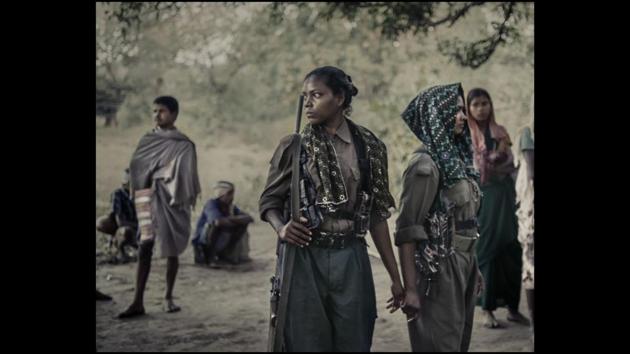
Forests of Abhujhmargh, Chhatisgarh. “Centralia” by Poulomi Basu, a photobook in the genre of docu-fiction, journeys deep into the forests of central India where a little known and under reported conflict between an indigenous tribal people and the State slowly simmers. (Poulomi Basu)
2/11
 View Photos in a new improved layout
Updated on Sept 26, 2020 6:01 PM
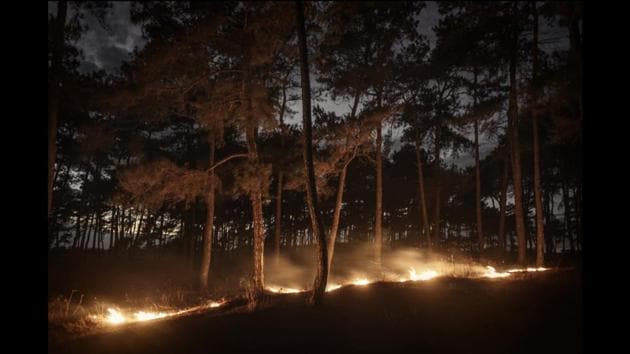
“Journeying ever deeper into a labyrinthine conflict over land, resources and identity, this area is home to vast mineral deposits - iron ore, bauxite, coal - but it is also home to India’s indigenous tribal population,” says Poulomi Basu about the jungles of central India where she photographed for nearly a decade. (Poulomi Basu)
3/11
 View Photos in a new improved layout
Updated on Sept 26, 2020 6:01 PM
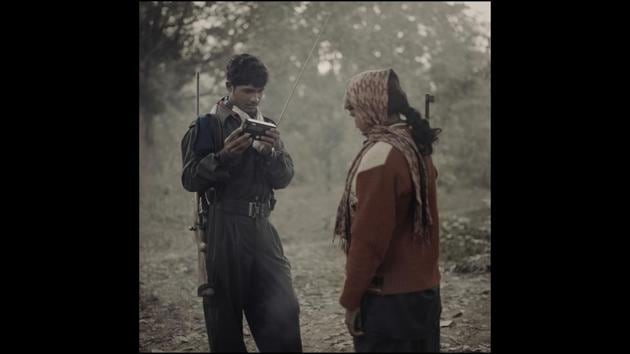
“The women of rural India are largely perceived to be voiceless and home bound, but women form a substantial part of the Maoist guerillas,” says Basu. (Poulomi Basu)
4/11
 View Photos in a new improved layout
Updated on Sept 26, 2020 6:01 PM
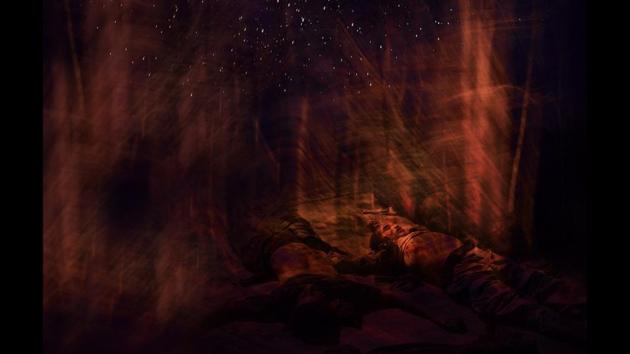
“In war, truth is the first casualty. Centralia explores the unsteady relationship between reality and fiction and how our perceptions of reality and truth are manipulated,” Basu says of the work that she made over a decade. (Poulomi Basu)
5/11
 View Photos in a new improved layout
Updated on Sept 26, 2020 6:01 PM
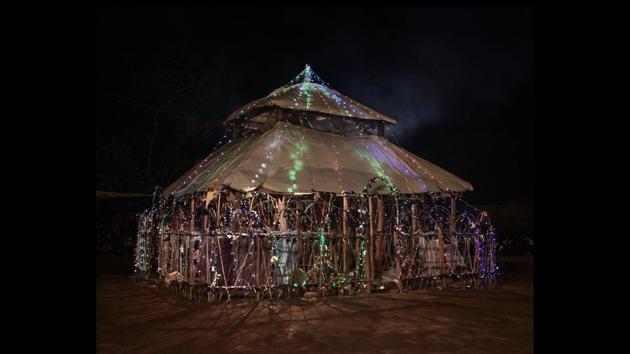
Centralia looks to reframe the internal narratives of the civil war in India within a wider global context. (Poulomi Basu)
6/11
 View Photos in a new improved layout
Updated on Sept 26, 2020 6:01 PM
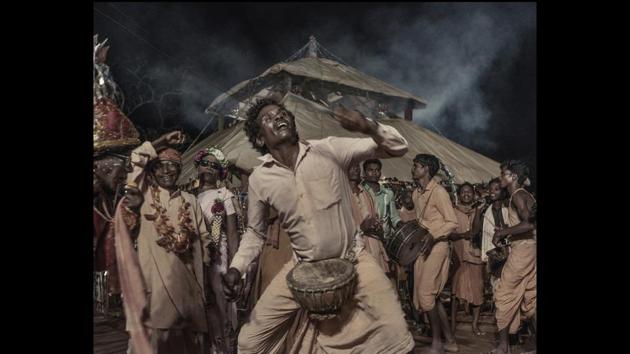
“It is a tale of fractured landscape in extremis. The shifting planes of reality: an India of the mind, a place both hyper real and metaphorical; familiar yet alien.” (Poulomi Basu)
7/11
 View Photos in a new improved layout
Updated on Sept 26, 2020 6:01 PM
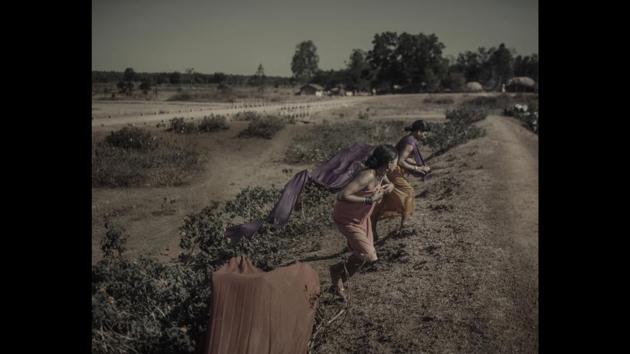
“Through my work I have become known for advocating for the rights of women. I am drawn to ordinary women who find themselves in extraordinary situations,” says Poulomi Basu who identifies as a transmedia artist, photographer and activist. (Poulomi Basu)
8/11
 View Photos in a new improved layout
Updated on Sept 26, 2020 6:01 PM
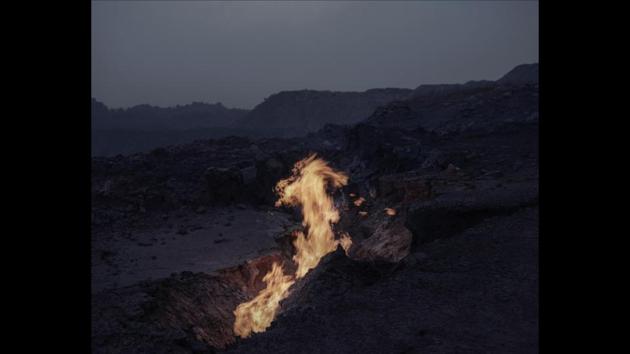
“Centralia is a cautionary tale of where we are heading as a global society. Taking a cue from Walter Benjamin, we live in a permanent state of emergency,” wrote Basu in an article published as part of World Press Photo’s collaboration with PHmuseum. (Poulomi Basu)
9/11
 View Photos in a new improved layout
Updated on Sept 26, 2020 6:01 PM
Centralia has been designed by award winning designer Teun van der Heijden, and the texts in the book have been produced in collaboration with local grassroots journalists. (Poulomi Basu)
10/11
 View Photos in a new improved layout
Updated on Sept 26, 2020 6:01 PM
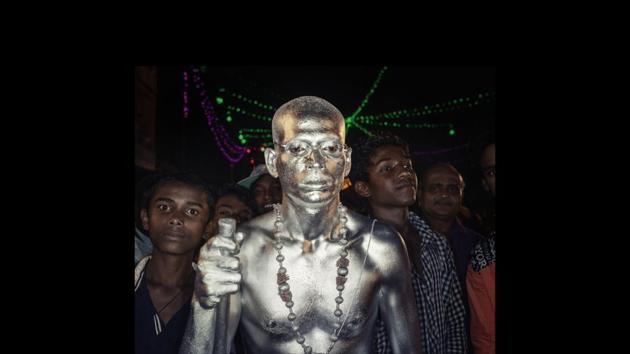
Dussera celebrations, Jagdalpur, Chhattisgarh. “The viewer must reconstruct several conflicting storylines and interrogate the narratives, which take the form of a dialogue between a number of characters,” Poulomi Basu told the British Journal of Photography in an article dated March 2018. (Poulomi Basu)
11/11
 View Photos in a new improved layout
Updated on Sept 26, 2020 6:01 PM


