
 E-Paper



Photos: 2020 in review by Hindustan Times’ photographers
The highs and lows of 2020 across India – the year of a novel virus, a new normal and lives tuned to the vocabulary of lockdowns and gradual unlocks. Here are glimpses from a nation adapting, persevering and in constant motion, captured in a retrospective by the best of Hindustan Times' photographers.
Updated on: Dec 31, 2020 6:01 PM IST


Share via


Copy link

1/34
 View Photos in a new improved layout
Updated on Dec 31, 2020 6:01 PM
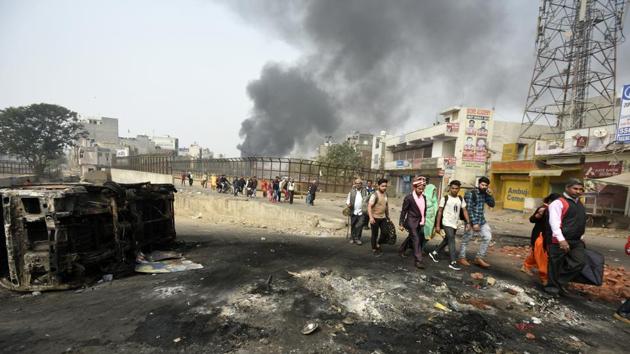
Days of communal violence gripped north-east Delhi after a breakout on February 24 when clashes between groups divided on their opinion of the Citizenship (Amendment) Act spiralled out of control. The violence left 53 people dead, around 400 injured. (Biplov Bhuyan / HT Photo)
2/34
 View Photos in a new improved layout
Updated on Dec 31, 2020 6:01 PM
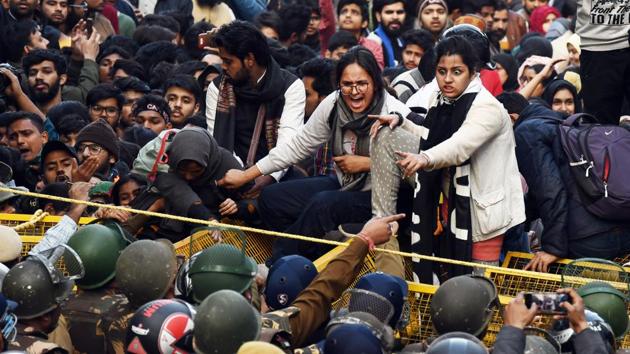
Demonstrations at Delhi’s Shaheen Bagh and Jamia Millia Islamia University were carried over from December 2019 and were at the forefront for months before Covid-19. The 101 days long demonstrations lasted until March 24, when the lockdown against the novel coronavirus came into effect. (Biplov Bhuyan / HT Photo)
3/34
 View Photos in a new improved layout
Updated on Dec 31, 2020 6:01 PM
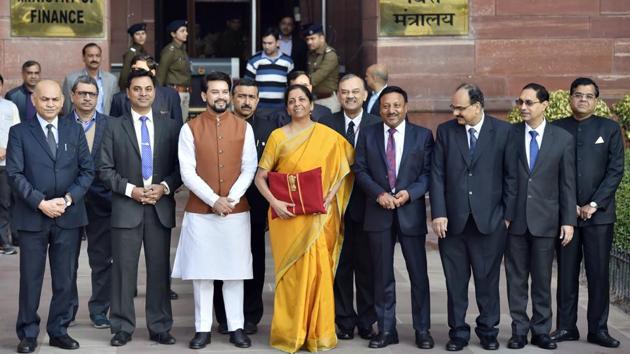
Budget 2020 saw a major overhaul in the way incomes are taxed for all but the highest tax brackets in the country. Finance Minister Sitharaman, holding her "Bahi Khata" presented the budget as a simplification of taxes for greater ease along with new measures. (Ajay Aggarwal / HT Photo)
4/34
 View Photos in a new improved layout
Updated on Dec 31, 2020 6:01 PM
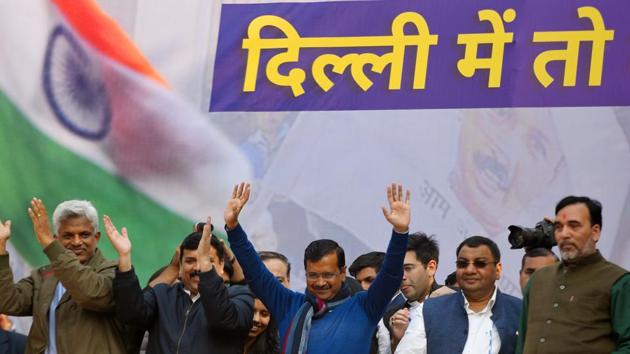
The Aam Aadmi Party (AAP), with Arvind Kejriwal at the helm of affairs as Chief Minister, returned in February with an overwhelming majority of 62 out of 70 assembly seats in the Delhi Legislative Assembly elections. This victory marked Kejriwal's third stint as chief minister. (Amal KS / HT Photo)
5/34
 View Photos in a new improved layout
Updated on Dec 31, 2020 6:01 PM
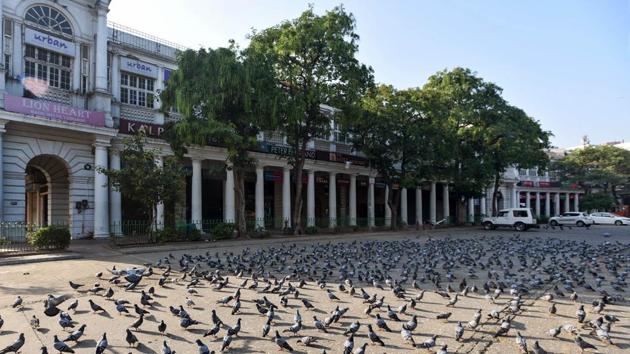
Auguring months of swift change to our ways of being that lay around the corner, citizens across the country took part in a 'Janata curfew' between 7am and 9pm on March 22, as part of an attempt at social distancing to check the spread of the coronavirus. Pigeons had a field day doing exactly the opposite in Delhi's Connaught Place. (Biplov Bhuyan / HT Photo)
6/34
 View Photos in a new improved layout
Updated on Dec 31, 2020 6:01 PM
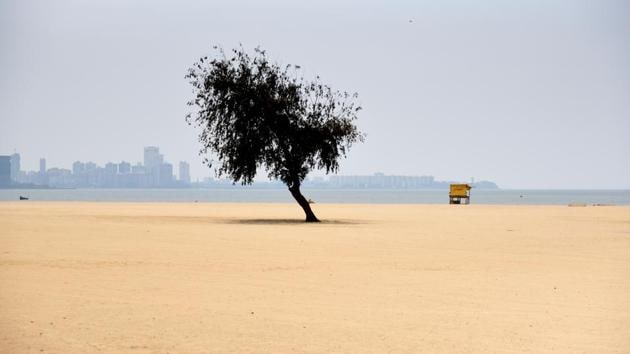
Less than a week after the “Janata Curfew,” India entered its first phase of complete lockdown, intended as a 21-day panacea that saw extensions as the virus tightened its hold on the country. Seen here, Mumbai's otherwise packed Girgaum Chowpatty. (Satish Bate / HT Photo)
7/34
 View Photos in a new improved layout
Updated on Dec 31, 2020 6:01 PM
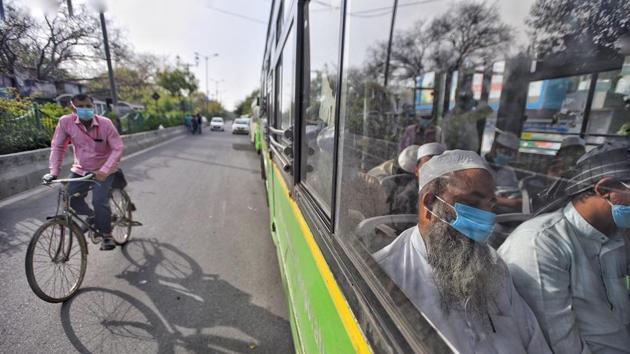
The Tablighi Jamaat made headlines after a religious event at the cusp of the lockdown proved to be a localised sourced of infections in the country's early run with the virus. Despite harsh criticism for the event and a tracing exercise across the country, cases against participants failed to hold ground in courts later in the year. (Biplov Bhuyan / HT Photo)
8/34
 View Photos in a new improved layout
Updated on Dec 31, 2020 6:01 PM
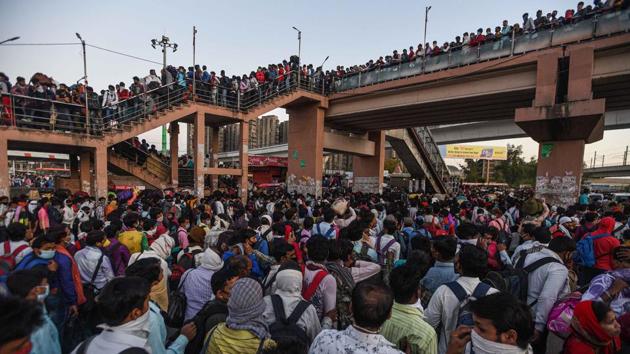
For a large section of India's workforce, the lockdown meant the sudden loss of all security and arduous journeys to faraway homes with all transport suspended overnight. A huge rush of migrant workers who had been marching to their homes, here seen at Anand Vihar Bus Terminal on Day 4 of the lockdown. (Biplov Bhuyan / HT Photo)
9/34
 View Photos in a new improved layout
Updated on Dec 31, 2020 6:01 PM
A dimming of human activity and physical retreat indoors during lockdown, slowly brought forth sights that had long been forgotten. The skies turned vibrant as pollution levels plummetted and animal residents -- like here in Mumbai -- stepped out of the periphery, exploring quiet cityscapes. (Pratik Chorge / HT Photo)
10/34
 View Photos in a new improved layout
Updated on Dec 31, 2020 6:01 PM
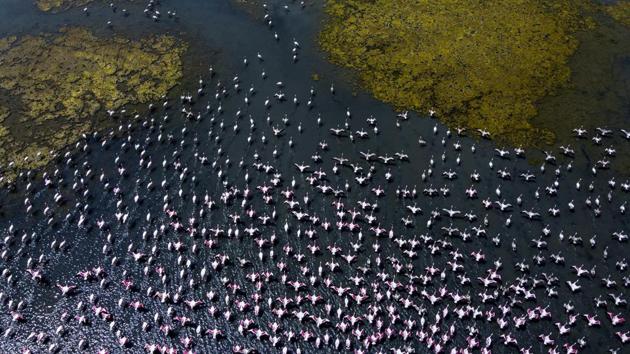
Another silver lining as people sheltered indoors, was this reclamation of space by flamingoes who painted the waters pink in Mumbai. (Pratik Chorge / HT Photo)
11/34
 View Photos in a new improved layout
Updated on Dec 31, 2020 6:01 PM
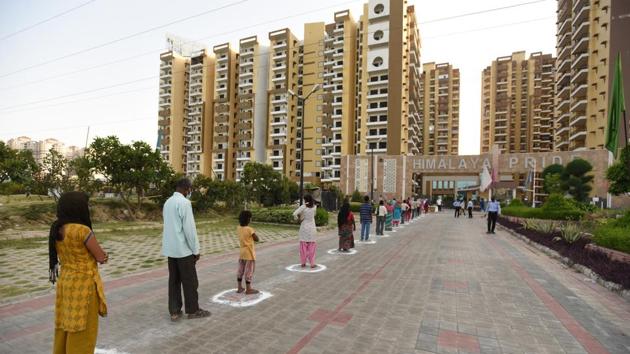
Chalk marked circles and long, distanced queues became ubiquitous with the lockdown as citizens and aid groups stepped up to help migrants and those less fortunate make it through. Seen here, a food distribution outside a residential complex in Greater Noida. (Virendra Singh Gosain / HT Photo)
12/34
 View Photos in a new improved layout
Updated on Dec 31, 2020 6:01 PM
As the number of Covid-19 patients rose with alarming speed, the county pushed ahead, ramping up health infrastructure and screening facilities. Covid care centres such as this one in Kolkata, makeshift hospitals and widespread testing facilities became the need of the hour. (Samir Jana / HT Photo)
13/34
 View Photos in a new improved layout
Updated on Dec 31, 2020 6:01 PM
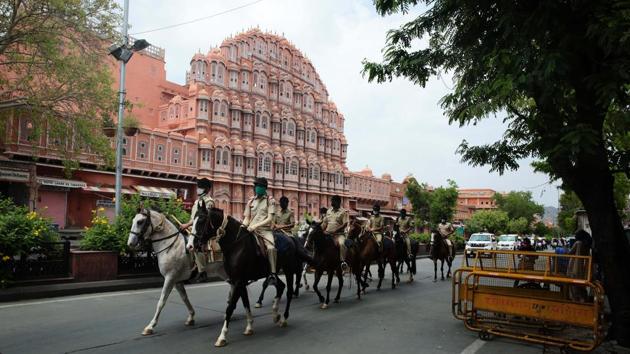
Originally intended as a 21-day circuit breaker for the spread of the coronavirus, eventualities forced the extension of the restrictions three more times to a total lockdown period of 68-days for India until May 31. Seen here, police personnel on a flag march in Jaipur. (Himanshu Vyas / HT Photo)
14/34
 View Photos in a new improved layout
Updated on Dec 31, 2020 6:01 PM
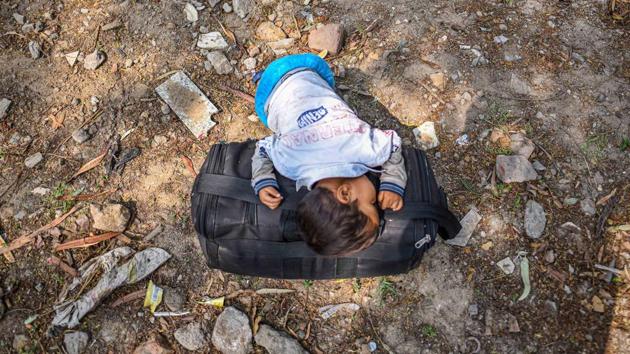
For much of the lockdown, gripping scenes of families with children, solitary travellers and groups of untiring men highlighted the plight of the migrant worker and the invisible workforce that had kept industrial India churning. (Biplov Bhuyan / HT Photo)
15/34
 View Photos in a new improved layout
Updated on Dec 31, 2020 6:01 PM
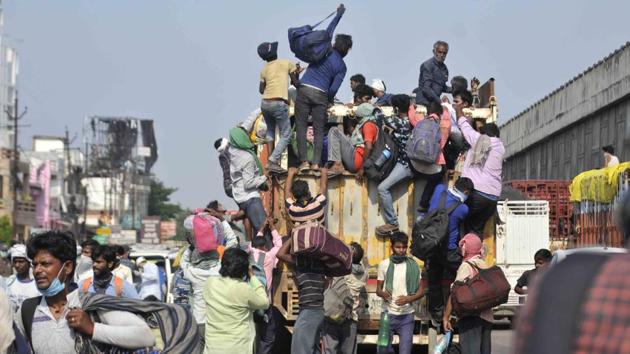
The government in May began operating special “Shramik” trains to ferry stranded migrant labourers across the country to their native places amid the coronavirus lockdown. While they aided lakhs of migrant travellers, just as many remained on the roads and highways, their journeys often cut short in accidents while travelling precariously like here in Lucknow. (Deepak Gupta / HT Photo)
16/34
 View Photos in a new improved layout
Updated on Dec 31, 2020 6:01 PM
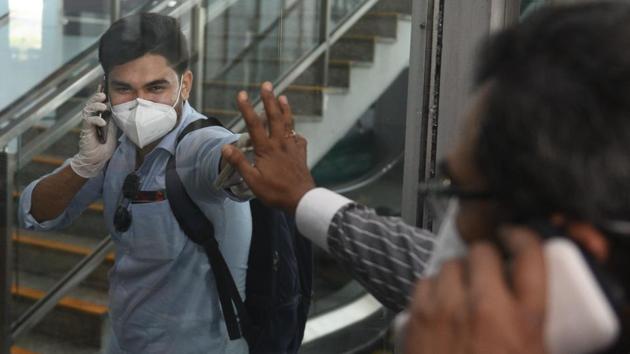
With air travel suspended since March 23, the Indian government started the Vande Bharat Mission on May 6 under which Air India and private Indian carriers have been operating unscheduled repatriation flights for Indians stuck abroad during the pandemic. The mission made reunions such as this, between a father and son in Kolkata, possible. (Samir Jana / HT Photo)
17/34
 View Photos in a new improved layout
Updated on Dec 31, 2020 6:01 PM
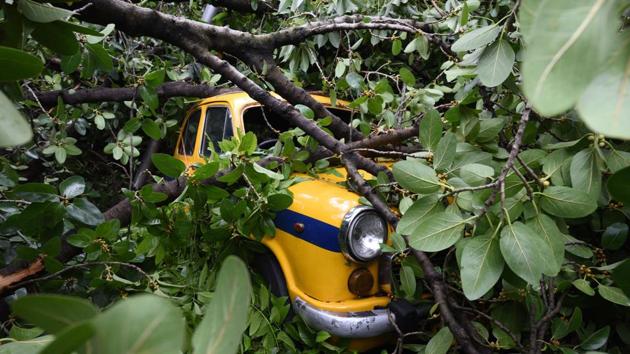
For eight hours on May 20, Amphan pummeled four Bengal districts in the fiercest cyclone in the region in a century that left 86 people dead and roughly 10 million people homeless. Parts of Kolkata saw damage and loss of electricity supply for days. (Samir Jana / HT Photo)
18/34
 View Photos in a new improved layout
Updated on Dec 31, 2020 6:01 PM
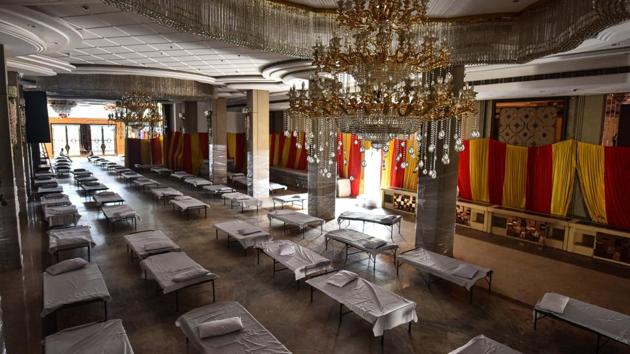
The early concentration of Covid-19 cases in urban centres began taking a toll as cases neared 1 million. Delhi's strained health infrastructure was remedied by the requisitioning of empty banquet halls and hotels to act as makeshift quarantine facilities. (Sanchit Khanna / HT Photo)
19/34
 View Photos in a new improved layout
Updated on Dec 31, 2020 6:01 PM
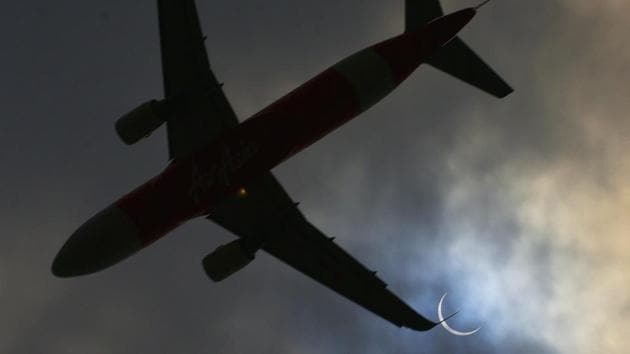
An eclipse in a major draw in any year, except for the whirlwind that was 2020. This year, Covid-19 drowned out many such events that would otherwise bring people out in numbers. Seen here is a solar eclipse in June -- one of only two solar eclipses, and a total of 6 eclipse events this year. (Vipin Kumar / HT Photo)
20/34
 View Photos in a new improved layout
Updated on Dec 31, 2020 6:01 PM
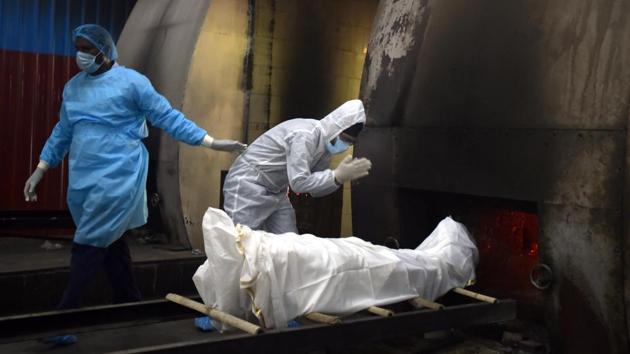
India crossed the grim 1 million cases mark on July 16 with over 25,000 deaths at the time. The contagious nature of the virus radically altered how those bereaved mourned their loved ones, in solemn ceremonies marked by PPE kits, as seen here at Nigambodh Ghat crematorium in New Delhi. (Sonu Mehta / HT Photo)
21/34
 View Photos in a new improved layout
Updated on Dec 31, 2020 6:01 PM
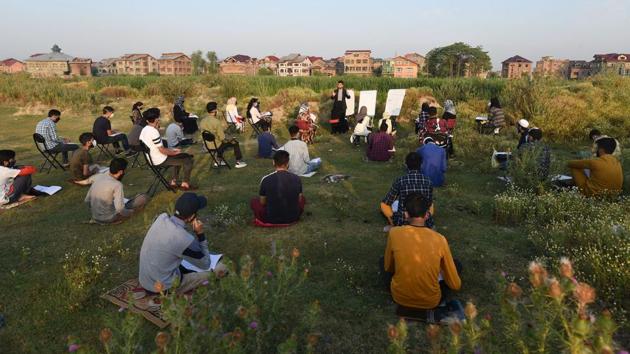
E-learning, open air classes and taking classes to students --these were just some of the ways teachers pivoted in the lockdown to ensure the impart of lessons and the educational year weren’t lost due to Covid-19. (Waseem Andrabi / HT Photo)
22/34
 View Photos in a new improved layout
Updated on Dec 31, 2020 6:01 PM
An untiring force of front-line workers clad in their Personal Protective Equipment (PPE) kits have worked night and day in screening India, surveying its citizens, delivering services to homes and containment zone as the virus rages around them. (Sanchit Khanna / HT Photo)
23/34
 View Photos in a new improved layout
Updated on Dec 31, 2020 6:01 PM
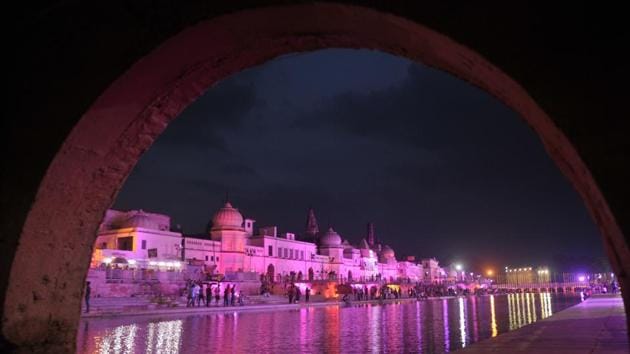
Prime Minister Narendra Modi laid the foundation stone of the Ram Temple on August 5, nearly a year after the Supreme Court's vedict in the Ram Janmabhoomi-Babri Masjid land dispute. Ayondhya’s Ram Ki Paidi, pictured here, lit up in preparation for the foundation stone laying ceremony. (Deepak Gupta / HT Photo)
24/34
 View Photos in a new improved layout
Updated on Dec 31, 2020 6:01 PM
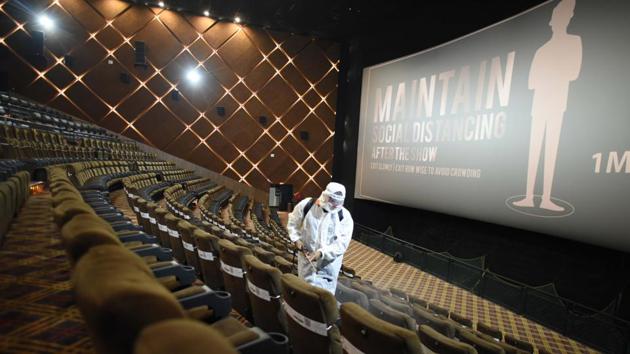
Begining June 1, with “Unlock 1.0” the country has moved towards greater resumption of services with a view to revitalize an economy hit hard by the pandemic and currently in a "technical recession." (Parveen Kumar / HT Photo)
25/34
 View Photos in a new improved layout
Updated on Dec 31, 2020 6:01 PM
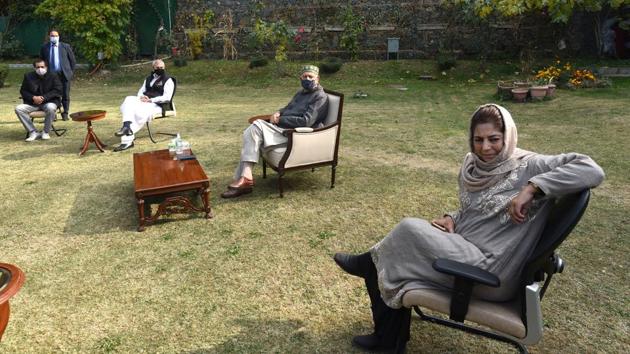
Leaders of multiple mainstream regional political parties of Jammu and Kashmir came together in August under the People's Alliance for Gupkar Declaration (PAGD or Gupkar Alliance), aimed at safeguarding and restoring special status along with Article 35A of the erstwhile state of Jammu and Kashmir. (Waseem Andrabi / HT Photo)
26/34
 View Photos in a new improved layout
Updated on Dec 31, 2020 6:01 PM
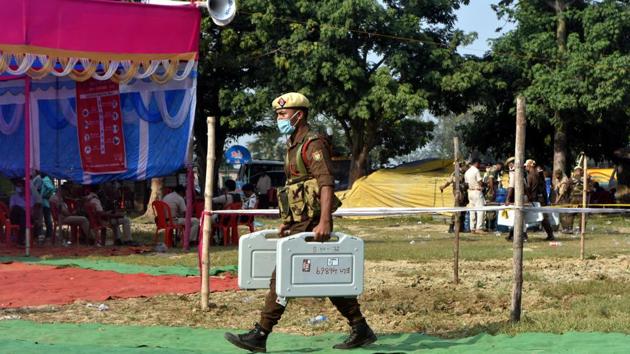
The legislative elections in Bihar turned out to be the first experiment in conducting widespread polling activity in India, as it battled coronavirus cases, only to rank behind the United States in case count. (Parwaz Khan / HT Photo)
27/34
 View Photos in a new improved layout
Updated on Dec 31, 2020 6:01 PM
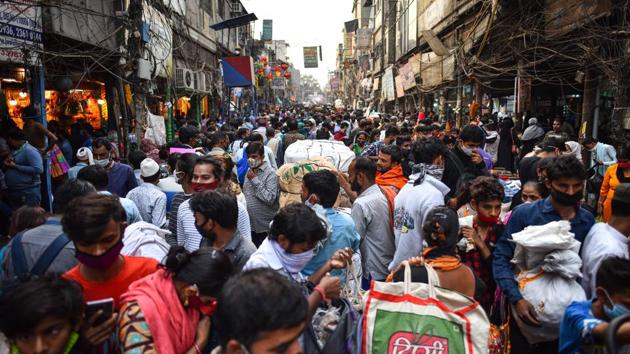
The lifting of restrictions with Unlock phases came coupled with increasing fatigue regarding Covid-19 appropriate behaviour. Just before Diwali in New Delhi, local markets had thousands of people visiting daily, leading to a surge in cases. (Sanchit Khanna / HT Photo)
28/34
 View Photos in a new improved layout
Updated on Dec 31, 2020 6:01 PM
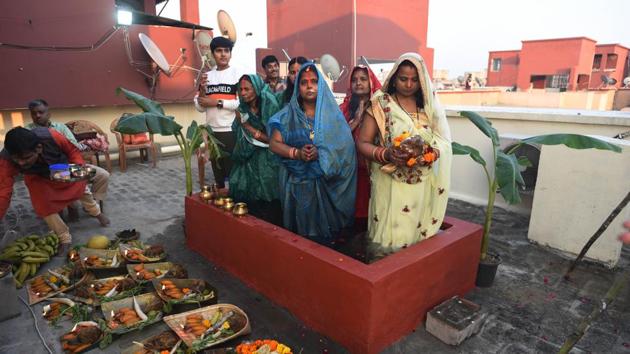
Festive observances this year were reshaped to the need of the hour, with low-key, personal observances outweighing mass gatherings. Here seen a family performing Chhath Puja on a makeshift pond on the roof of their house in New Delhi. (Vipin Kumar / HT Photo)
29/34
 View Photos in a new improved layout
Updated on Dec 31, 2020 6:01 PM
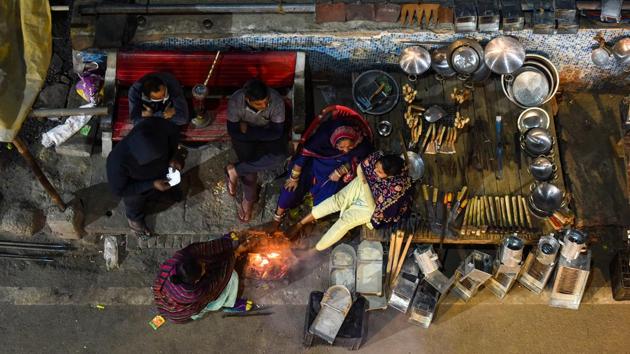
A cascading impact on global weather in winter months attributed to a La Nina weather phenomenon has resulted in colder than usual weather, early on across northwest India. A scene from Delhi's INA market on a cold night in late November. (Amal KS / HT Photo)
30/34
 View Photos in a new improved layout
Updated on Dec 31, 2020 6:01 PM
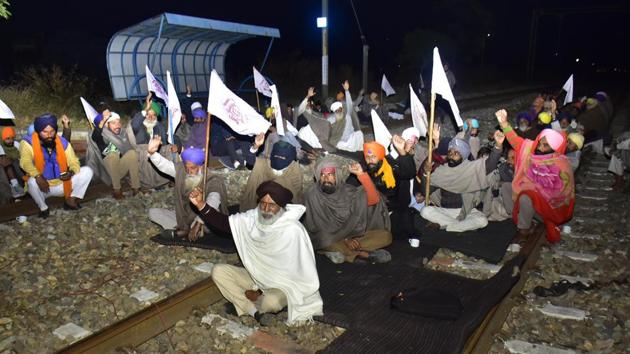
On September 25, close to 250 farmer bodies came together, to block railway lines in protest against new farm laws. The “Rail Roko” agitation, a peaceful affair, was extended until November when it evolved into the farmers’ protests at Delhi’s border. (Sameer Sehgal / HT Photo)
31/34
 View Photos in a new improved layout
Updated on Dec 31, 2020 6:01 PM
After failing to rally their respective state governments, the farmers decided to put pressure on the Central Government by marching to Delhi. On November 25, farmers from Punjab headed towards the national capital, braving tear gas, baton charges and roads dug up to impede them. (Sanchit Khanna / HT Photo)
32/34
 View Photos in a new improved layout
Updated on Dec 31, 2020 6:01 PM
Action by security forces to counter the advancing farmers' march elicited severe reactions as the "Jai Jawan, Jai Kisan" slogan by former PM Lal Bahadur Shastri saw itself deconstructed. (Sanchit Khanna / HT Photo)
33/34
 View Photos in a new improved layout
Updated on Dec 31, 2020 6:01 PM
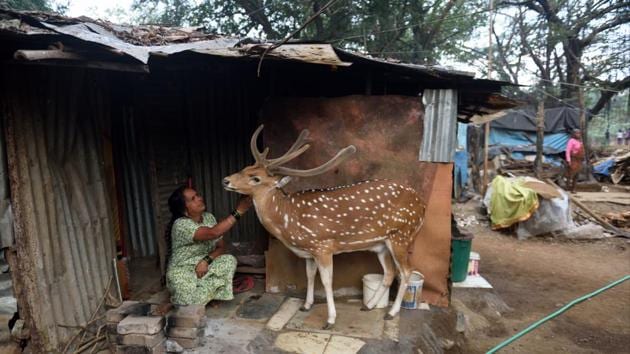
The weeks of Covid-19 lockdown and a pulled back year at large have lent themselves to a greater reflection on our footprint over our surroundings, more conscientious ways of living and what lies at the periphery of our curated lives. Seen here, a resident in Mumbai’s Sanjay Gandhi National Park (SGNP) interacting with a spotted deer. (Satish Bate / HT Photo)
34/34
 View Photos in a new improved layout
Updated on Dec 31, 2020 6:01 PM


