
 E-Paper



Photos: Mumbai fears for homes and lives amid rising seas
Huge swathes of Mumbai's beaches have already been lost to rising seas. Now shanty dwellers fear for their homes and critics say India's largest metropolis -- like other world mega-cities -- is not doing enough to hold back the waves. If a dire UN prediction saying that the sea could rise by one metre (three feet) in the century up to 2100 because of global warming comes true, one academic report suggests a quarter of Mumbai could be affected.
Updated on: Sept 25, 2019 2:41 PM IST


Share via


Copy link

1/10
 View Photos in a new improved layout
Updated on Sept 25, 2019 2:41 PM
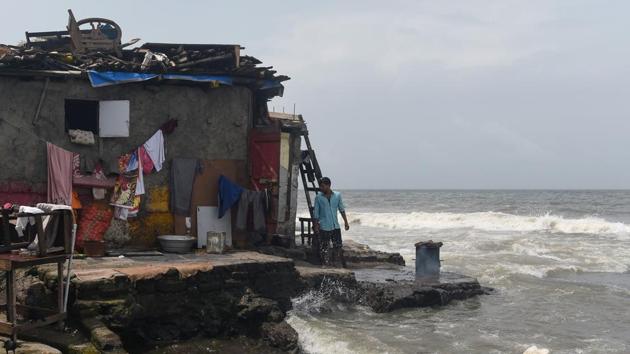
A man stands next to a home built by the sea during high tide in Mumbai. During the monsoon, near-daily storms regularly flood Dharavi, home to some of the city’s most vulnerable residents. “The situation has been getting worse every year, with our homes knee-deep in water,” Venkatesh Nadar, 38, who has lived in the shanty settlement his entire life, told AFP. (Punit Paranjpe / AFP)
2/10
 View Photos in a new improved layout
Updated on Sept 25, 2019 2:41 PM
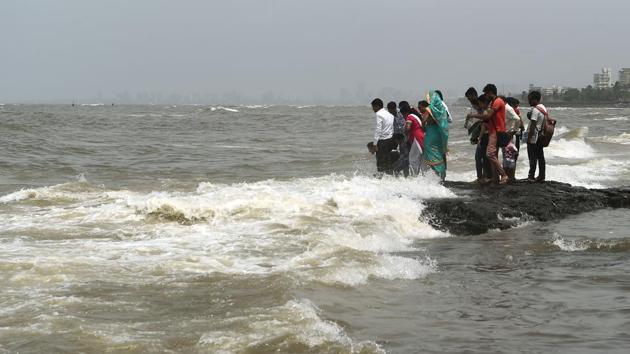
Nadar said authorities have not told him what might happen to his home as sea levels rise, or if they are doing anything to help his family move. “It’s dangerous and worrying for our children’s future, and leaves every family living here at God’s mercy,” he said. Even a 20-cm rise would more than double the frequency of flooding in tropical zones such as the Mumbai coast, according to a 2017 report by US experts. (Punit Paranjpe / AFP)
3/10
 View Photos in a new improved layout
Updated on Sept 25, 2019 2:41 PM
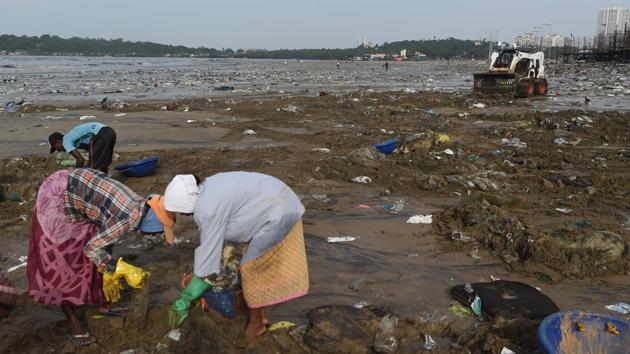
City civil authority workers pick up plastic waste and trash during a clean-up drive on Versova beach. Mumbai is already vulnerable to floods because so much of it is below the high-tide line. The shore has retreated by more than 20-mtrs at some beaches over the past 15 years, according to studies by the Watchdog Foundation activist group. Floodwaters already overwhelm Mumbai every monsoon. (Punit Paranjpe / AFP)
4/10
 View Photos in a new improved layout
Updated on Sept 25, 2019 2:41 PM
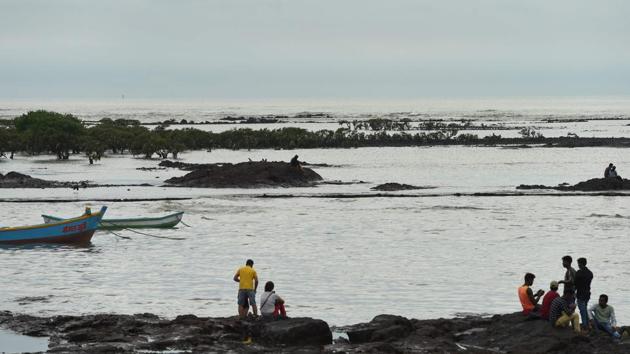
People sit on rocks next to mangroves on the coast during low tide in Mumbai. The Maharashtra state government’s response has concentrated on building 20 sea walls -- including four off Mumbai -- and a huge mangrove planting campaign along the state’s 720-km coast. Offshore reefs and beach restoration plans are also being considered. (Indranil Mukherjee / AFP)
5/10
 View Photos in a new improved layout
Updated on Sept 25, 2019 2:41 PM
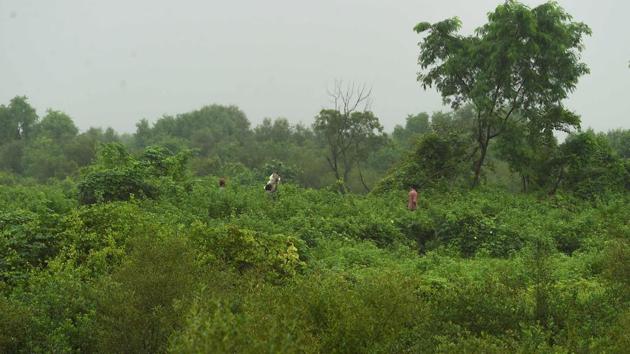
People walk through a mangrove plantation at Belapur in Navi Mumbai. Mangroves act as sponges to soak up excess rain and stormwater, and hundreds of thousands of saline-resistant trees and shrubs have been planted in a bid to create tropical tidal forests as a buffer against sea surges. Forestry officer D.R. Patil and his 300 staff wade through knee-deep water to plant the trees and make sure they are protected. (Indranil Mukherjee / AFP)
6/10
 View Photos in a new improved layout
Updated on Sept 25, 2019 2:41 PM
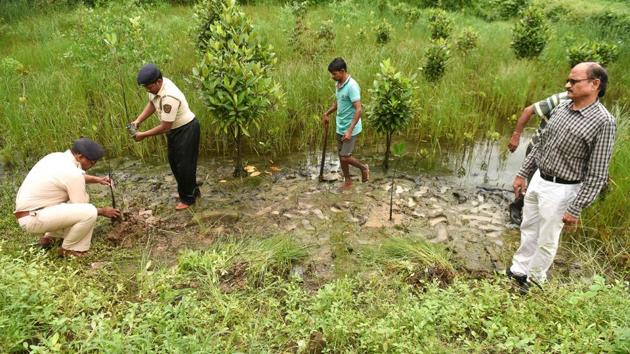
Forest department officials plant mangrove saplings at Airoli. “Mangroves are the first line of defence against flooding and we don’t have any other options,” Patil said at Airoli on Mumbai’s fringe. “Even a boundary wall cannot protect the city as much as mangroves.” He said there are now more than 30,000 hectares of mangroves after boosting cover in the state by 82% between 2015 and 2017. (Indranil Mukherjee / AFP)
7/10
 View Photos in a new improved layout
Updated on Sept 25, 2019 2:41 PM
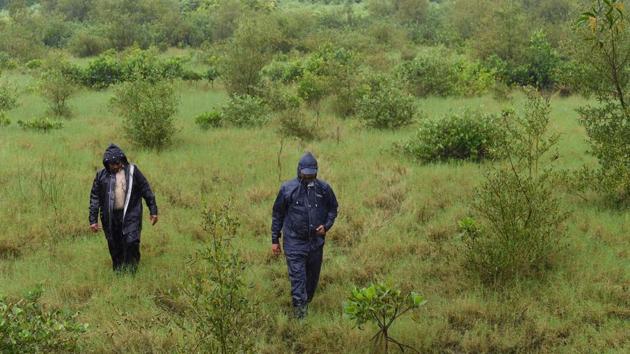
Forest officials return after a patrol. Environmentalists say the action is a half-hearted response. While mangroves are important, the loss of natural drainage systems such as rivers and creeks was also crucial, said activist Nandkumar Pawar. He said some laws meant to protect the coast have been “relaxed” so that new buildings had crept closer to the shore, covering rivers and creeks that drained floodwaters. (Indranil Mukherjee / AFP)
8/10
 View Photos in a new improved layout
Updated on Sept 25, 2019 2:41 PM
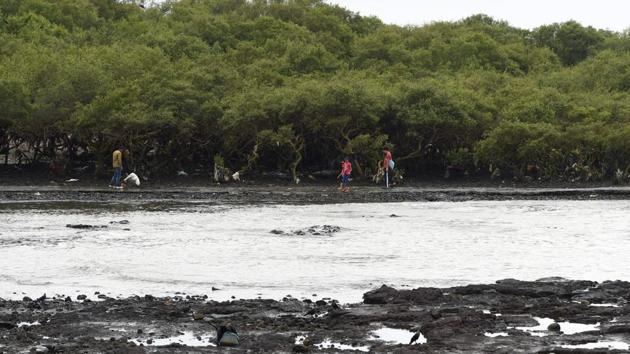
People walk past mangroves on the coast during low tide. Climate scientist Roxy Mathew Koll of the Indian Institute of Tropical Meteorology believes that the increased frequency of flooding in the city calls for extra defences -- as well as a warning system to protect the growing population. “We need to have a long-term vision,” Koll told AFP. (Indranil Mukherjee / AFP)
9/10
 View Photos in a new improved layout
Updated on Sept 25, 2019 2:41 PM
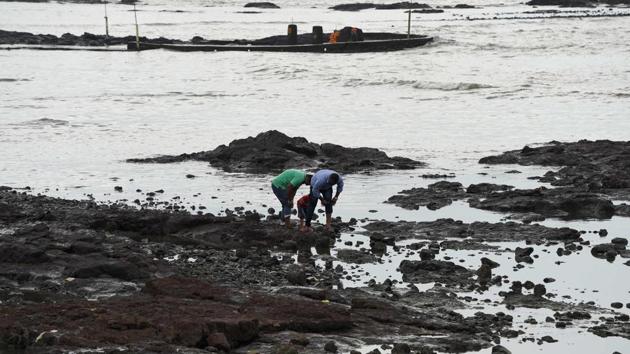
People look for fish and clams inside rocks next to mangroves during low tide. Amid all the criticism, Maharashtra Maritime Board deputy director Jitendra Raisinghani said hard-pressed authorities were working on a coastal management plan. “We are doing the best as per our capacity and resources,” he said. “There is never enough and you can do more.” (Indranil Mukherjee / AFP)
10/10
 View Photos in a new improved layout
Updated on Sept 25, 2019 2:41 PM


