E-Paper



Everyday Explained: Why coriander wilts so quickly in the refrigerator and how to keep it fresh for longer

 Prefer HTon Google


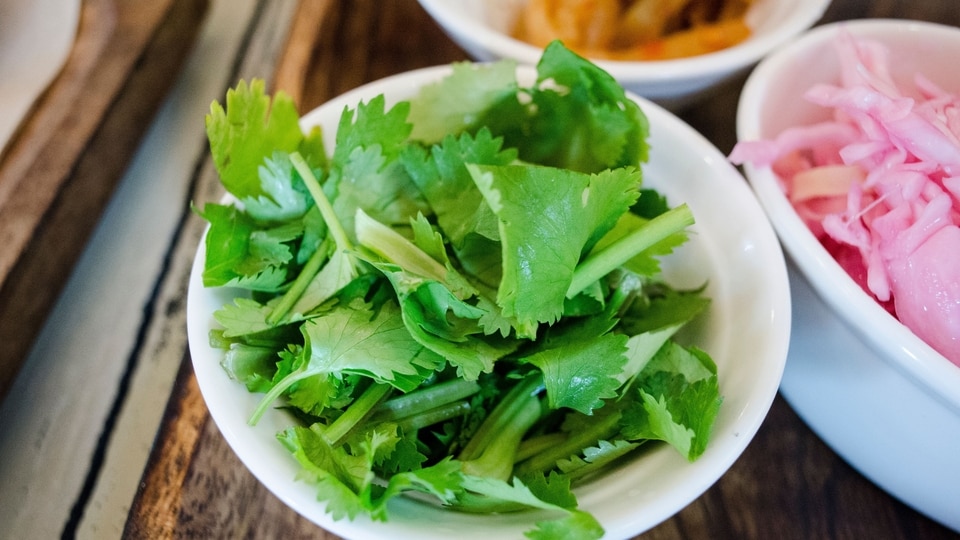
From moisture loss to improper storage, here is the reason why coriander wilts so quickly in the refrigerator.
Coriander leaves look fresh and vibrant when bought from the store, but as soon as we keep them in the refrigerator, they start to wilt. Have you ever wondered why, when other vegetables can remain fresh for weeks, coriander leaves lose their freshness so quickly? In this edition of ‘Everyday Explained,’ HT Lifestyle spoke to Alok Singh, an expert on food history and science at Diga Organics, to understand the science behind coriander leaves wilting so quickly.
Why do coriander leaves wilt quickly?
According to Singh, coriander leaves wilt quickly in the refrigerator primarily because they lose moisture rapidly, and their delicate structure makes them particularly vulnerable to changes in temperature and humidity. Unlike vegetables such as carrots or cabbage, coriander has thin leaves, soft stems, and a relatively large surface area compared with its mass. This allows water to escape easily through transpiration, even after the plant has been harvested.
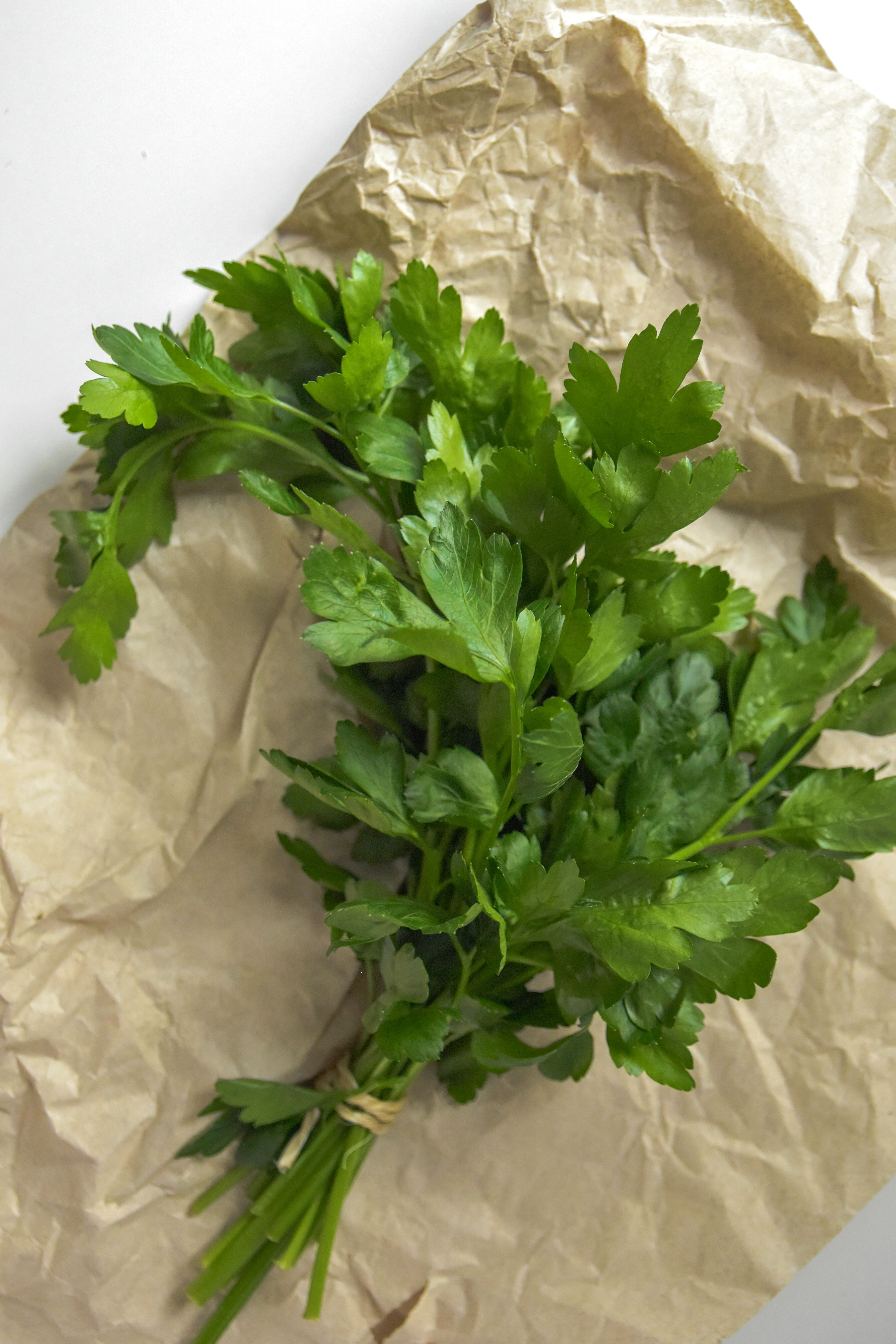
“Once coriander is cut from the plant, it can no longer absorb water through its roots. However, its leaves and stems continue to lose moisture through tiny pores called stomata. As the cells lose water, their internal pressure, known as turgor pressure, decreases. This is what causes the leaves to droop, curl, and lose their freshness,” Singh explained. Although refrigeration slows down many biological processes, it does not completely stop moisture loss.
How does the refrigerator impact coriander leaves?
Singh highlighted that the refrigerator environment also plays an important role. Cold air, particularly in frost-free refrigerators where air circulates to control ice formation, can accelerate dehydration if the coriander is stored without adequate protection. When the leaves are exposed directly to this moving air, they lose moisture faster.
At the same time, excess moisture trapped around the leaves can encourage microbial growth, causing them to turn yellow, become slimy, or develop decay. Therefore, both excessive dryness and excessive dampness can shorten the shelf life of coriander.
The condition of the coriander at the time of purchase is equally important. Leaves harvested long before reaching the consumer, or those exposed to heat and direct sunlight during transportation and retail display, may already have lost a significant amount of moisture. Such coriander will wilt much faster in the refrigerator than freshly harvested, properly handled produce. Physical damage to the leaves and stems can further increase moisture loss and make the produce more susceptible to deterioration.
How to preserve coriander leaves?
To preserve coriander for longer, remove any damaged or decaying leaves and ensure that the bunch is not excessively wet before storage. Wrap it loosely in a clean, slightly dry paper towel and place it inside a perforated or loosely closed food-safe bag in the refrigerator. This helps maintain humidity while preventing excessive condensation. Avoid placing the bunch directly against the refrigerator's cooling vents or in areas where it may freeze.