Five Brazilian dishes to try during World Cup

Updated On Jun 09, 2014 01:45 am IST
1 / 4
While visiting Brazil for the World Cup, soccer fans can take advantage of the opportunity to discover the country's rich and varied cuisine. Reflecting its warm climate and multicultural heritage, Brazil's cuisine is a colorful blend of Portuguese, African and Native American ingredients and influences. Here is a sampling of five signature dishes to savor on site in Brazil, or to make and enjoy at home while watching the tournament. PastéisTravelers who have walked the streets of Lisbon will likely recognize this traditional street food, which is a direct reflection of Brazil's history as a Portuguese colony. In Latin America, pastéis (the plural form of "pastel") may be filled with meat, salted cod, hearts of palm, tomatoes or cheese. Served hot and crispy, pastéis may be enjoyed at the bar in cafes or purchased from street vendors to eat on the go. expand-icon View Photos in a new improved layout
Updated on Jun 09, 2014 01:45 am IST

While visiting Brazil for the World Cup, soccer fans can take advantage of the opportunity to discover the country's rich and varied cuisine. Reflecting its warm climate and multicultural heritage, Brazil's cuisine is a colorful blend of Portuguese, African and Native American ingredients and influences. Here is a sampling of five signature dishes to savor on site in Brazil, or to make and enjoy at home while watching the tournament. PastéisTravelers who have walked the streets of Lisbon will likely recognize this traditional street food, which is a direct reflection of Brazil's history as a Portuguese colony. In Latin America, pastéis (the plural form of "pastel") may be filled with meat, salted cod, hearts of palm, tomatoes or cheese. Served hot and crispy, pastéis may be enjoyed at the bar in cafes or purchased from street vendors to eat on the go.

2 / 4
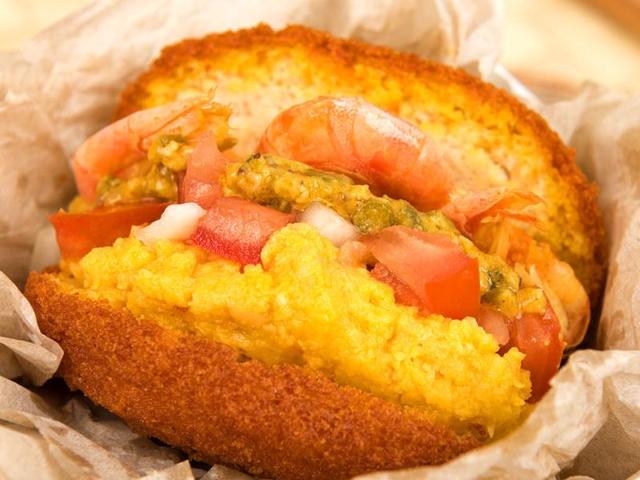
AcarajéAnother iconic Brazilian street food, this African-influenced specialty is seen mainly in northeast Brazil. Not for delicate taste buds, this fried concoction is often filled with devilishly hot peppers. The street vendors form balls of mashed black-eyed peas and onions and deep fry them in palm oil. The giant fritters are then split in half and filled with savory mixtures of dried shrimp, nuts, tomatoes and plenty of spices. One variation involves filling the acarajé with vatapa, a paste made from bread, coconut milk, shrimp, peanuts and hot pepper sauce. expand-icon View Photos in a new improved layout
Updated on Jun 09, 2014 01:45 am IST

AcarajéAnother iconic Brazilian street food, this African-influenced specialty is seen mainly in northeast Brazil. Not for delicate taste buds, this fried concoction is often filled with devilishly hot peppers. The street vendors form balls of mashed black-eyed peas and onions and deep fry them in palm oil. The giant fritters are then split in half and filled with savory mixtures of dried shrimp, nuts, tomatoes and plenty of spices. One variation involves filling the acarajé with vatapa, a paste made from bread, coconut milk, shrimp, peanuts and hot pepper sauce.

3 / 4
Moqueca de peixeGiven Brazil's geographical setting, it's no surprise that fish play a key part in its national cuisine. Moqueca de peixe, or fish stew, is among the most popular traditional dishes in the country, and Brazilian food bloggers are constantly offering up new variations. On site in Brazil, visitors will encounter versions with all types of fish, from tuna to monkfish. The dish typically also includes fresh cilantro, coconut milk, cumin, green peppers and garlic. expand-icon View Photos in a new improved layout
Updated on Jun 09, 2014 01:45 am IST

Moqueca de peixeGiven Brazil's geographical setting, it's no surprise that fish play a key part in its national cuisine. Moqueca de peixe, or fish stew, is among the most popular traditional dishes in the country, and Brazilian food bloggers are constantly offering up new variations. On site in Brazil, visitors will encounter versions with all types of fish, from tuna to monkfish. The dish typically also includes fresh cilantro, coconut milk, cumin, green peppers and garlic.

4 / 4
Pao de QueijoThe local population in the state of Minas Gerais often enjoys cheese for breakfast, as in this popular dish, which might also be enjoyed as an hors d'oeuvre. This "cheese bread" is actually made of cassava starch and queijo minas, a semi-soft Brazilian cheese. As these two ingredients may be hard to find for those outside of Brazil, home cooks can substitute tapioca starch and a combination of grated Swiss and Parmesan cheeses for an approximation of the authentic dish. expand-icon View Photos in a new improved layout
Updated on Jun 09, 2014 01:45 am IST

Pao de QueijoThe local population in the state of Minas Gerais often enjoys cheese for breakfast, as in this popular dish, which might also be enjoyed as an hors d'oeuvre. This "cheese bread" is actually made of cassava starch and queijo minas, a semi-soft Brazilian cheese. As these two ingredients may be hard to find for those outside of Brazil, home cooks can substitute tapioca starch and a combination of grated Swiss and Parmesan cheeses for an approximation of the authentic dish.

SHARE
Story Saved
Saved Articles
Following
My Reads
Sign out
Get App
crown-icon
Subscribe Now!