

 E-Paper


Photos: After fighting, normality returns for some in Damascus
Some in the Syrian capital Damascus have been able to enjoy a semblance of normality since fighting in the area ended in May, but in the rubble of shattered, destitute towns nearby, life could not be more different. Parts of the eastern Ghouta region just outside Damascus were all but flattened during a government offensive this spring to retake it from rebels. When the area surrendered, tens of thousands chose to leave. The risk of being hit by bullets or shellfire has now ended, and conditions in central Damascus, with its relaxed nightlife and bustling business district, seem a world away from the hardship of eastern Ghouta.
1 / 11

 View Photos in a new improved layout
Updated on Oct 23, 2018 12:10 pm IST
A woman exits a taxi during rush hour in central Damascus, Syria. Some people in the Syrian capital have been able to enjoy a semblance of normality since fighting ended in May, but in the shattered, destitute towns nearby, life couldn’t be more different. Held by the government throughout the war, Damascus suffered much less damage compared to opposition-held areas. (Marko Djurica / REUTERS)
2 / 11
 View Photos in a new improved layout
Updated on Oct 23, 2018 12:10 pm IST
A man walks past a banner depicting Syrian president Bashar al-Assad in Douma, outside Damascus. Bashar al-Assad’s success in the war owes much to Russia, which entered the war on his side in 2015, and whose soldiers are now a common sight in government-held areas. (Marko Djurica / REUTERS)
3 / 11
 View Photos in a new improved layout
Updated on Oct 23, 2018 12:10 pm IST
Children play soccer in al-Khalidiya area, in the government-controlled part of Homs. In the city’s al-Khalidiya district, retaken by the government in 2013, the slow nature of recovery is clear and much of it is a ghost town, uninhabited and closed off by the army. (Marko Djurica / REUTERS)
4 / 11
 View Photos in a new improved layout
Updated on Oct 23, 2018 12:10 pm IST
Russian soldiers pray inside the Umayyad mosque. Syria cannot afford a major rebuilding programme. Its closest allies, Russia and Iran, seem unlikely to foot the bill. Western nations will pay no cash without a political transition. (Marko Djurica / REUTERS)
5 / 11
 View Photos in a new improved layout
Updated on Oct 23, 2018 12:10 pm IST
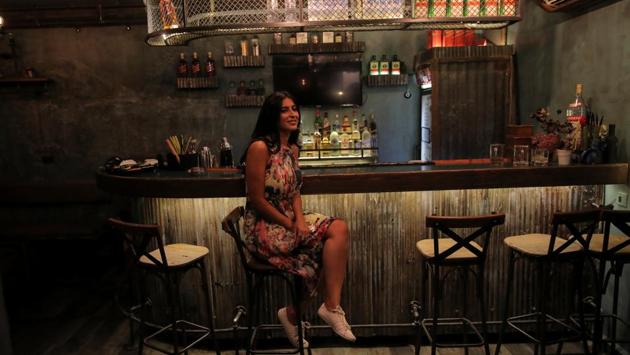
Dana, 24, a bartender, pours a drink inside a bar in the Old City of Damascus. “During the war, when bombs were falling, it could be days without customers, but we never stopped working,” she said, mixing a blue moon cocktail in a shaker. (Marko Djurica / REUTERS)
6 / 11
 View Photos in a new improved layout
Updated on Oct 23, 2018 12:10 pm IST
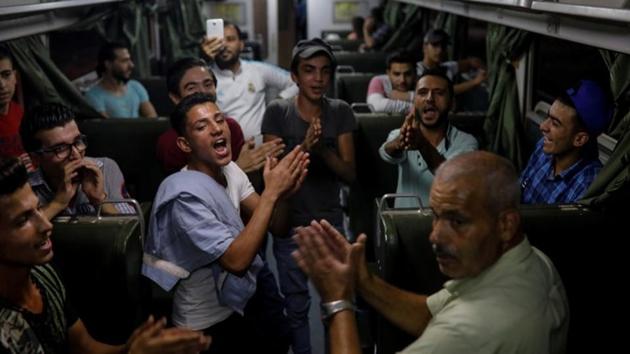
People sing in a train as they travel through the outskirts of Damascus towards the recently opened international fair. Although, the risk of being hit by bullets or shellfire near the capital has now ended, but conditions in central Damascus, with its relaxed nightlife and bustling business district, seem a world away from the hardship of eastern Ghouta. (Marko Djurica / REUTERS)
7 / 11
 View Photos in a new improved layout
Updated on Oct 23, 2018 12:10 pm IST
People celebrate a friend’s birthday in Marionette bar in the Old City of Damascus. Even during the fighting, people in Damascus would go out in the evenings to eat, drink and dance, but this summer, the bars and restaurants of the Old City were much busier. (Marko Djurica / REUTERS)
8 / 11
 View Photos in a new improved layout
Updated on Oct 23, 2018 12:10 pm IST
Women wait to be examined in a hospital in Douma. At one of the area’s biggest hospitals, where huge shell holes are blown into the walls, medics are still operating out of the basement. The fighting in Douma only ended a few months ago, but any significant reconstruction might be very distant. (Marko Djurica / REUTERS)
9 / 11
 View Photos in a new improved layout
Updated on Oct 23, 2018 12:10 pm IST
This was the first summer since 2011 without the sound of fighting in Damascus. At a wedding outside the city, the noise came rather from student rock band Kibreet - a drummer, two guitarists and a singer. The groom was carried on the shoulders of his friends and family, as people clapped around him. He swung his bride in his arms, her white dress billowing out behind. (Marko Djurica / REUTERS)
10 / 11
 View Photos in a new improved layout
Updated on Oct 23, 2018 12:10 pm IST
It’s only a few miles away, in the eastern Ghouta city of Douma, that rubble is all around. “The covered souk used to be chockablock but now very few people come to this area,” said Abu Fares, a shop owner. Even among the young people enjoying the nightlife in Damascus the challenge of the long, slow economic recovery ahead means many people are thinking of leaving. (Marko Djurica / REUTERS)
11 / 11
 View Photos in a new improved layout
Updated on Oct 23, 2018 12:10 pm IST