

 E-Paper


Photos: Beijing evictions leave migrant workers in limbo as winter deepens
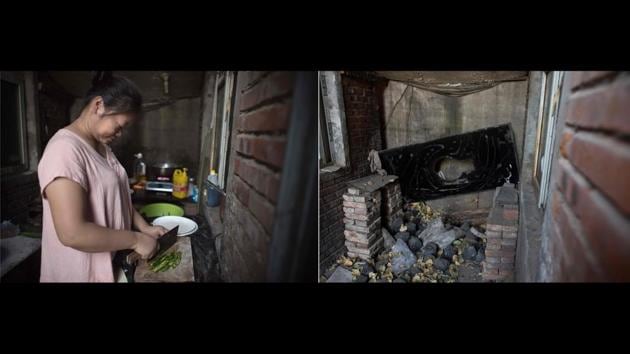
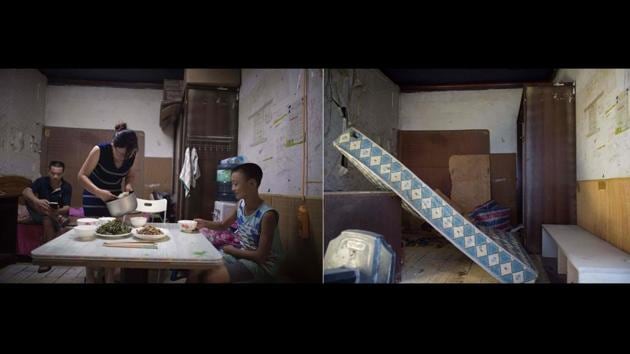
Before and after photos of a city-wide eviction campaign after a deadly fire on Beijing’s southern fringes last month capture the impact on thousands of migrants left homeless. Deprived of electricity, with a harsh winter ahead, resistance by the few still around points towards a tough future.
1 / 9
 View Photos in a new improved layout
Updated on Dec 16, 2017 05:02 pm IST
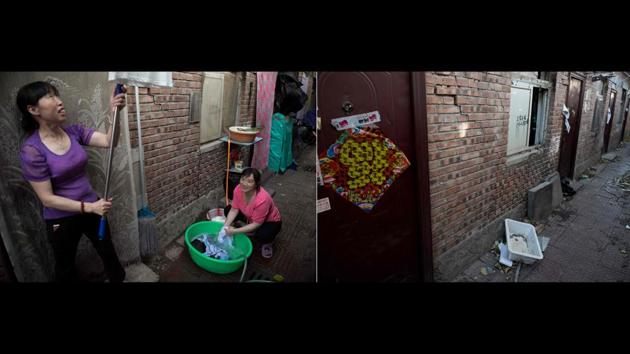
A woman cooking food in a communal kitchen in a village in Beijing (L) on September 07, 2017 is juxtaposed with a picture (R) taken on December 11, 2017 which shows the same area after the residents were evicted. A deadly fire on the capital’s southern fringes last month prompted a fire safety blitz by authorities, forcing thousands of the migrant workers out of homes. (Nicolas Asfouri / AFP)
2 / 9
 View Photos in a new improved layout
Updated on Dec 16, 2017 05:02 pm IST
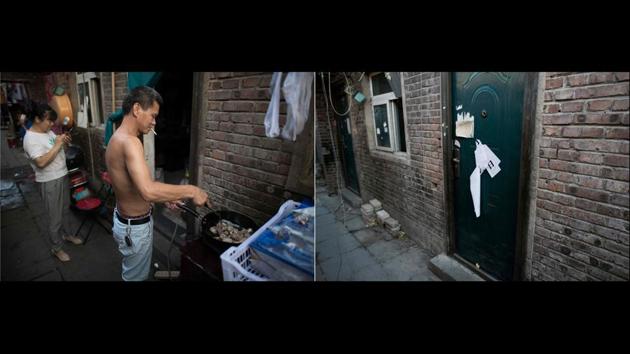
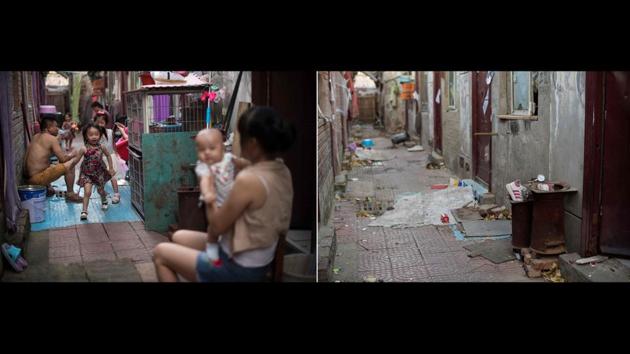
The narrow alleyways of the Beijing migrant neighborhood were once crammed with men cooking on outdoor stoves, women hanging clothes to dry and young children playing games. Now dead leaves litter the pavement as bitterly cold wind blows through empty lanes after a controversial city-wide eviction campaign. (Nicolas Asfouri / AFP)
3 / 9
 View Photos in a new improved layout
Updated on Dec 16, 2017 05:02 pm IST
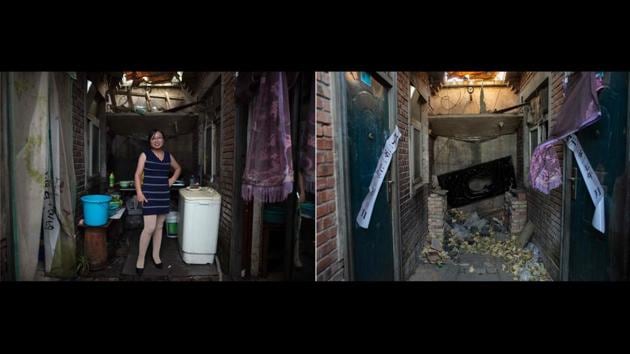
Zhang Zhanrong (C), in a shared kitchen as she cooks dinner for her family outside her room in Beijing is juxtaposed with a picture (R) taken on December 11, 2017 which shows the same area after the residents were evicted. The evictions have sparked criticism from China’s intellectuals, students and journalists, who say that the government unfairly targeted the vulnerable underclass. (Nicolas Asfouri / AFP)
4 / 9
 View Photos in a new improved layout
Updated on Dec 16, 2017 05:02 pm IST
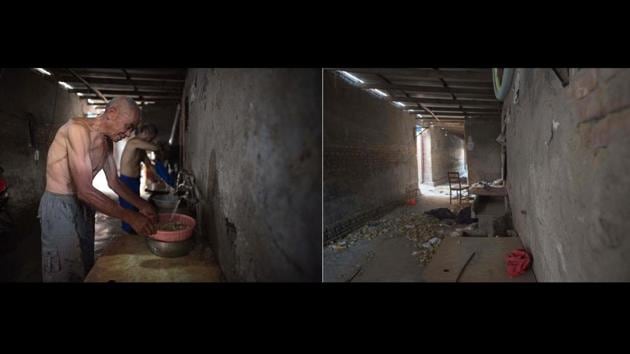
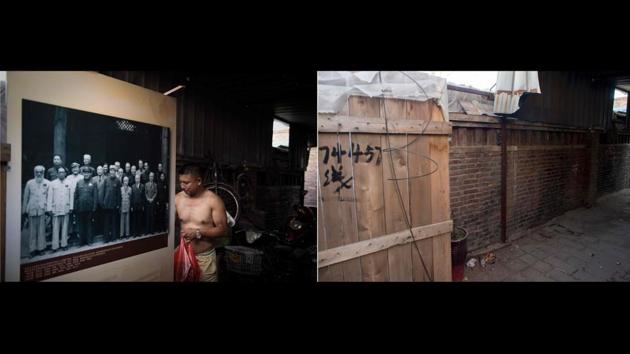
This photo combo shows a picture (L) on August 17, 2017 of a man washing his dishes outside his room in Beijing, and one (R) taken on December 11, 2017 of the same area after now vacant. “Originally it was just a fire, but they used the fire as an excuse to force people young and old onto the streets in the middle of the coldest days of winter,” independent political commentator Zhang Lifan told Reuters. (Nicolas Asfouri / AFP)
5 / 9
 View Photos in a new improved layout
Updated on Dec 16, 2017 05:02 pm IST
However not everyone has left, and a handful of holdouts are preparing for tough times. With no electricity or heating and a harsh winter ahead, Wang Liping, one of the migrant says she would rather freeze to death than abandon her home. (Nicolas Asfouri / AFP)
6 / 9
 View Photos in a new improved layout
Updated on Dec 16, 2017 05:02 pm IST
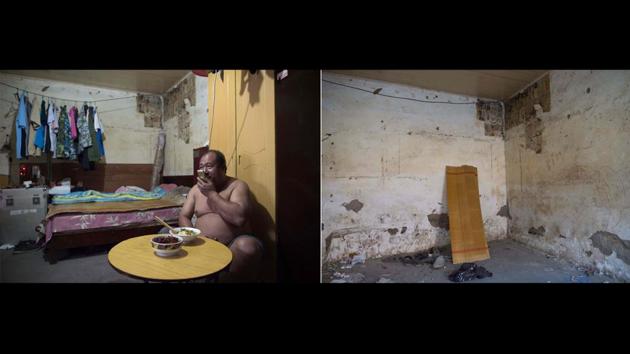
Liu Huiqing, who works for a moving company, seen talking on the phone inside his room eating dinner is juxtaposed with a picture (R) taken on December 11, 2017 showing the same room now. For owners, there is nothing left back in their hometowns, having spent all their savings to buy parts of apartment blocks where migrants rent rooms for a few hundred yuan each month. (Nicolas Asfouri / AFP)
7 / 9
 View Photos in a new improved layout
Updated on Dec 16, 2017 05:02 pm IST
But the city could not do without migrants, Cai Qi, the city’s Communist Party chief and a close ally of President Xi Jinping, said during a visit to the migrants, in a bid to allay fears.The capital’s need for cheap labour has attracted thousands of workers, even though they are denied official residency permits because of government curbs on internal migration. (Nicolas Asfouri / AFP)
8 / 9
 View Photos in a new improved layout
Updated on Dec 16, 2017 05:02 pm IST
Over the years migrant enclaves have grown into full-fledged communities from clusters of shanty towns. Picun, one of the most developed, has its own literature society and houses numerous aspiring artists and musicians. (Nicolas Asfouri / AFP)
9 / 9
 View Photos in a new improved layout
Updated on Dec 16, 2017 05:02 pm IST