
 E-Paper



Photos: Kanpur city chokes on the world’s worst pollution
Kanpur, with a population of three million faces a pollution crisis. Last month’s report by WHO pegged it at the head of 14 Indian cities in the world’s top 15 with the dirtiest air. The pollution in the city has taken toll on the life of residents and caused a major jump in the number of patients reporting breathing problems. The official response acknowledges the ripples caused by the WHO findings, but says time will tell if the city’s industrial and vehicular pollution can be reigned in.
Updated on: Jun 6, 2018 11:11 AM IST


Share via


Copy link

1/11
 View Photos in a new improved layout
Updated on Jun 6, 2018 11:11 AM
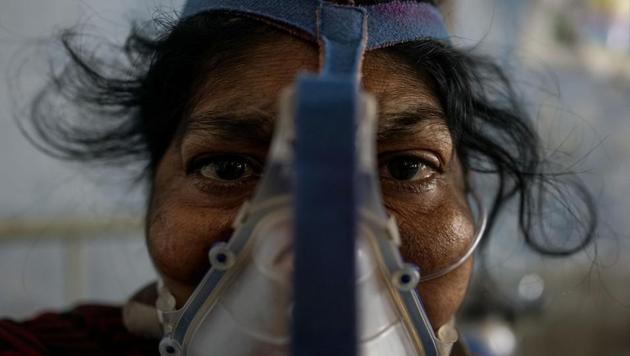
Shiv Kumari, a patient at Kanpur’s Murari Lal Chest Hospital suffers from breathing problems. “Pollution, dust or smoke makes me breathless. I feel that I am choking. I cough and feel as if something sharp is pinching my throat,” she said. The city of three million people has been smarting since a World Health Organisation (WHO) report put Kanpur at the head of 14 Indian cities in the world’s top 15 with the dirtiest air. (Chandan Khanna / AFP)
2/11
 View Photos in a new improved layout
Updated on Jun 6, 2018 11:11 AM
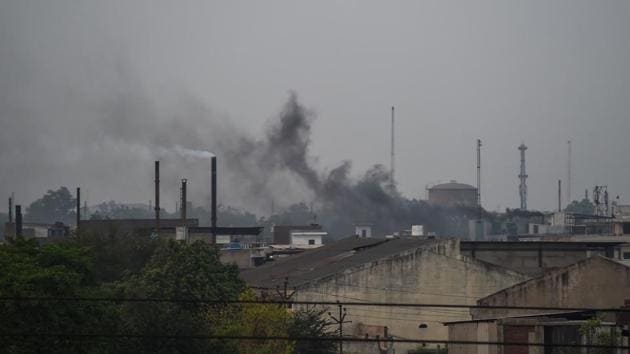
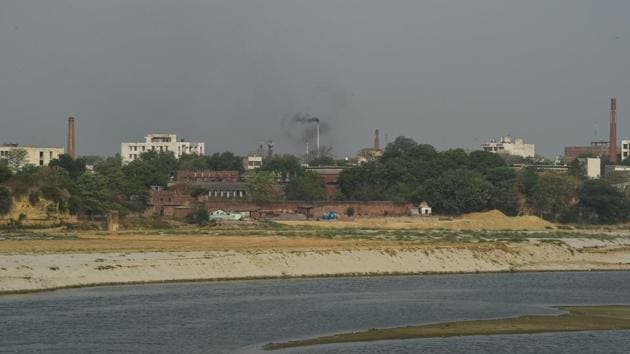
Smoke rises from chimneys in Kanpur’s industrial area. The pain has been building up for much longer, but as the world marked Environment Day yesterday, the fallout has reached crisis point for many in Kanpur. (Chandan Khanna / AFP)
3/11
 View Photos in a new improved layout
Updated on Jun 6, 2018 11:11 AM
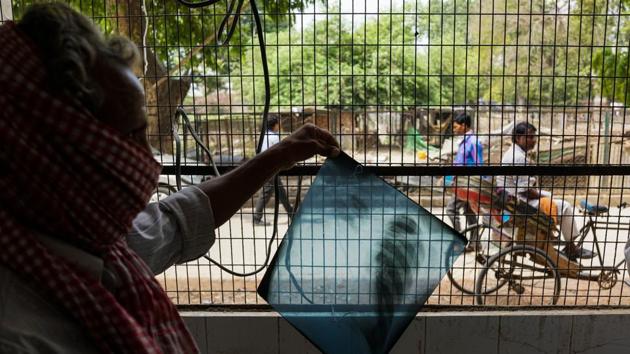
A patient suffering from breathing problems holds an X-ray of his chest at the Murari Lal Chest Hospital in Kanpur. Sunil Dahiya, senior campaigner with Greenpeace India, said that “the models available to us make it certain that hundreds of thousands of people are dying in India each year because of air pollution.” (Chandan Khanna / AFP)
4/11
 View Photos in a new improved layout
Updated on Jun 6, 2018 11:11 AM
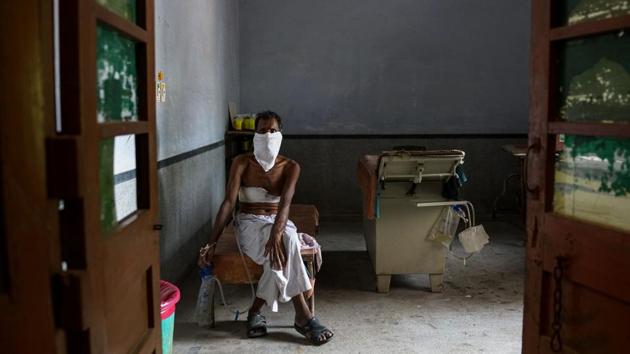
One of the thousands of patients, increasingly reaching the chest hospital, sits face covered with a handkerchief. A senior doctor at the Murari Lal Chest Hospital, Anand Kumar, said the number of patients has jumped from about 40,000 in 2015 to 64,000 last year, where more than 50% of these patients, maybe more, reporting breathing-related issues. (Chandan Khanna / AFP)
5/11
 View Photos in a new improved layout
Updated on Jun 6, 2018 11:11 AM
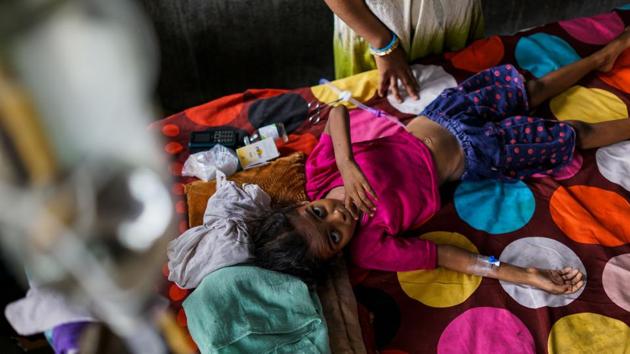
Anand Kumar added there is a worsening in the severity of the cases and that children under five are also suffering more. Many patients who would earlier recover in a day or two now need days and much stronger medication to get better. (Chandan Khanna / AFP)
6/11
 View Photos in a new improved layout
Updated on Jun 6, 2018 11:11 AM
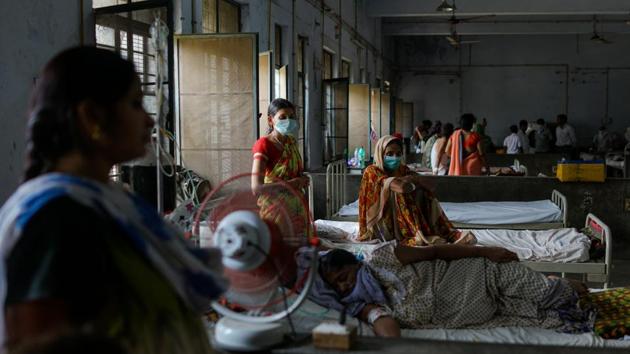
The number of chronic pulmonary disease and lung cancer cases is rising among non-smokers, particularly women. “There is no reason for it (other) than primarily atmospheric pollution,” Kumar said. (Chandan Khanna / AFP)
7/11
 View Photos in a new improved layout
Updated on Jun 6, 2018 11:11 AM
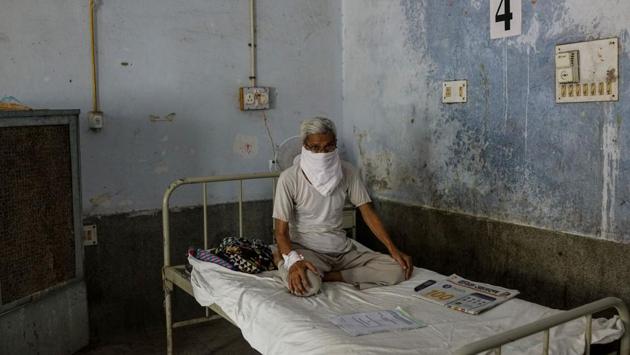
In one overcrowded ward, 74-year-old Ram Lakhan, who spends long periods in hospitals barely able to breathe, blamed his suffering on cars. “Where are the trees now?” he asked. “There are only vehicles, pollution and traffic jams. With all the greenery gone, we are only breathing what is available -- pollution,” he said. (Chandan Khanna / AFP)
8/11
 View Photos in a new improved layout
Updated on Jun 6, 2018 11:11 AM
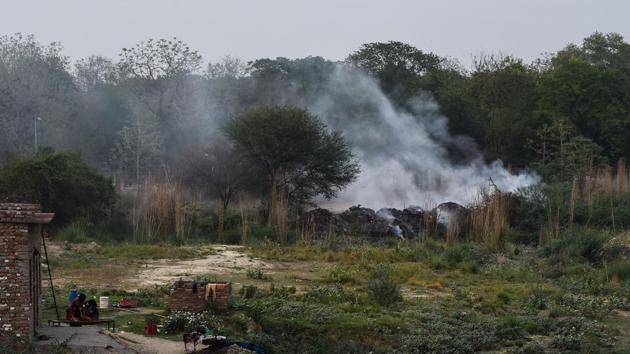
Smoke rises from a burning field near Kanpur’s industrial area. Lakhan said that he had never had it this bad before. His breathlessness and discomfort would earlier crop up in bad winters, when there was smog. But for the last two or three years, even the summers have been hard. (Chandan Khanna / AFP)
9/11
 View Photos in a new improved layout
Updated on Jun 6, 2018 11:11 AM
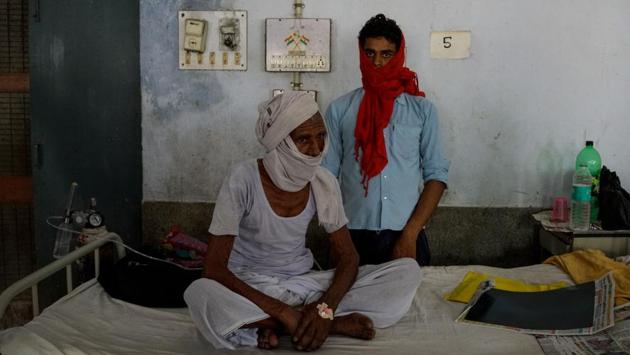
Satya Narayan, 70, accompanied by his grandson Sandeep Narayan, is admitted for breathing problems. Uttar Pradesh state pollution control chief officer Kuldeep Misra took aim at the 1.15 million vehicles on Kanpur’s roads. According to him, the city is more polluted by vehicles than industrial waste. Misra was skeptical about Kanpur’s “dirtiest city” tag as the UN report was based on “old data”. (Chandan Khanna / AFP)
10/11
 View Photos in a new improved layout
Updated on Jun 6, 2018 11:11 AM
A boy swims in the river Ganga in Kanpur. Misra believes Kanpur’s water pollution is worse than the air because of its huge leather industry and tanneries. The WHO report was based on 2016 Indian data that showed Kanpur’s average PM2.5 concentration at 173 micrograms per cubic metre -- about seven times the normal safe level. (Chandan Khanna / AFP)
11/11
 View Photos in a new improved layout
Updated on Jun 6, 2018 11:11 AM


