
 E-Paper



Photos: Racing to restore Myanmar’s forgotten cinema classics
The restoration of a 1934 black-and-white action movie, famed for high-octane stunts including a hot-air balloon escape and a jungle shootout against teakwood thieves, has energised efforts to salvage more of Myanmar's decaying cinematic heritage. The Southeast Asian country's once flourishing film scene hit a major setback with the arrival of a military junta in 1962 that enforced stringent censorship and gutted the economy during a 50-year reign. It languished in the state archives for decades before specialists in Italy spent one year painstakingly retouching the film frame-by-frame, screening the restored version in 2016.
Updated on: Jul 9, 2018 1:19 PM IST


Share via


Copy link

1/9
 View Photos in a new improved layout
Updated on Jul 9, 2018 1:19 PM
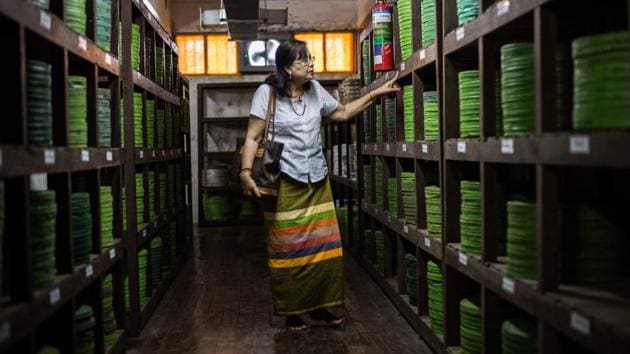
Actor Grace Swe Zin Htaik views old films at the state archive in Yangon. The survival of Myanmar’s earliest film around, “Mya Ga Naing” (The Emerald Jungle), is perhaps as unlikely a feat as its lead role’s triumph over pythons and bandits with his bare hands. The country’s once flourishing film scene was hit with the military junta’s arrival in 1962 that brought stringent censorship during a 50-year reign. (Phyo Hein Kyaw / AFP)
2/9
 View Photos in a new improved layout
Updated on Jul 9, 2018 1:19 PM
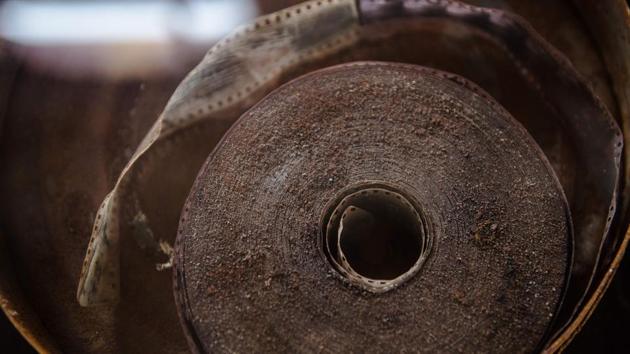
As the creative climate withered, Myanmar’s merciless heat, torrential rains and stifling humidity took its toll on delicate film reels in a country that had neither the resources nor know-how to store them properly. Some reels were recycled to save money and now only a dozen of the country’s early black-and-white pictures remain. (Phyo Hein Kyaw / AFP)
3/9
 View Photos in a new improved layout
Updated on Jul 9, 2018 1:19 PM
Filmmaker Maung Okkar is leading efforts to salvage classics. In 2012, he realised with horror that some of his family’s original reels were damaged beyond repair while others were slowly decayed. “Some films could not be restored and, for me, it was as if I had lost one of my parents,” he remembered. After receiving training in Italy, he launched “Save Myanmar Film” in 2017 with fellow filmmakers. (Phyo Hein Kyaw / AFP)
4/9
 View Photos in a new improved layout
Updated on Jul 9, 2018 1:19 PM
Visitors view vintage movie materials displayed at a film heritage exhibition. “Mya Ga Naing”, originally a silent movie that later had music and printed title cards added, is the oldest to have been found so far. It languished in the state archives for decades before specialists in Italy spent a year painstakingly retouching the film frame-by-frame, screening the restored version in 2016. (Phyo Hein Kyaw / AFP)
5/9
 View Photos in a new improved layout
Updated on Jul 9, 2018 1:19 PM
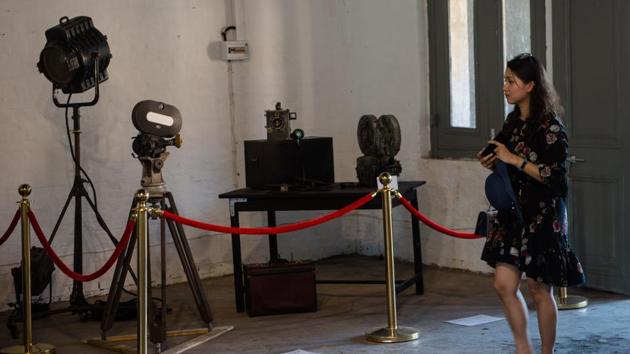
A visitor views a display at the Myanmar film heritage exhibition. “Each time the restoration progressed, it was like a new birth for the film,” said Severine Wemaere, co-founder of MEMORY! Cinema, which oversaw the restoration and raised funds from donors for the $100,000 price tag. “It was very moving because we could tell that we were in a country of cinema.” (Phyo Hein Kyaw / AFP)
6/9
 View Photos in a new improved layout
Updated on Jul 9, 2018 1:19 PM
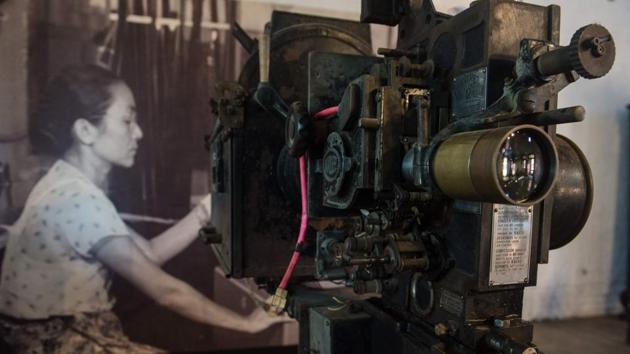
The country’s first-ever film was screened in 1920. By the 50s, the industry was in its heyday with filmmakers pumping out scores of features each year. But the plot turned in the latter half of the 20th century as military rulers crushed creativity and closed the country off to foreign influences and technology. The revival is spurring a movement to preserve what remains. (Phyo Hein Kyaw / AFP)
7/9
 View Photos in a new improved layout
Updated on Jul 9, 2018 1:19 PM
The clock is ticking, with all of the surviving films still piled up in metal tins in Yangon’s crumbling state archive building. Round-the-clock air conditioning is an improvement from the past but the temperature, at 16 degrees Celsius, is still far above the optimal level of four degrees Celsius. (Phyo Hein Kyaw / AFP)
8/9
 View Photos in a new improved layout
Updated on Jul 9, 2018 1:19 PM
A visitor views a vintage film projector display. The next film to be restored in 2017 was Pyo Chit Lin (My Darling), a 1950 comedy shot on such a tight budget that director Tin Myint had to choose between sound or colour. He opted for the latter -- making it the country’s earliest known surviving colour film. (Phyo Hein Kyaw / AFP)
9/9
 View Photos in a new improved layout
Updated on Jul 9, 2018 1:19 PM


