E-Paper



Bengaluru rental row raises key question: Can landlords deduct repair costs from security deposits?
Tenants vs landlords: Bengaluru rental row sparks debate on security deposit cuts; Clear agreements and documentation key, say legal experts

 Prefer HTon Google


A tenant dispute in Bengaluru has reignited concerns over landlord practices and tenant protections, after a renter alleged that a substantial portion of her security deposit was withheld upon moving out.
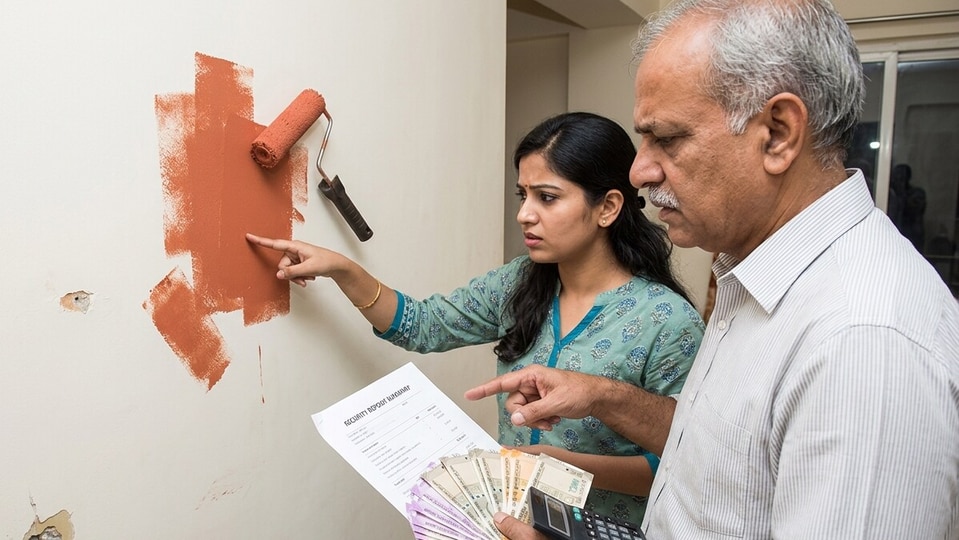
In a video shared on Instagram, Charu Gupta recounted paying a ₹70,000 security deposit for a 3BHK apartment in Yeshwanthpur, which she shared with two other tenants. She claimed the landlord later asked them to vacate the flat, citing plans to sell the property. However, after moving out, Gupta said she received only ₹18,000 back, with nearly ₹52,000 deducted under various heads, including repair and maintenance charges.
In a similar case, another Bengaluru tenant alleged that over ₹51,000 was deducted from his deposit by a US-based landlord who was managing the property remotely. The deductions for repainting and cleaning costs upon vacating a 2.5 BHK apartment left the tenant feeling “harassed and blindsided.”
Together, these incidents have once again put the spotlight on what constitutes fair practice in Bengaluru’s rental market, and whether clearer norms are needed to protect tenants from arbitrary charges.
Also Read: Can landlords deduct repainting costs? Bengaluru tenant flags ₹51,000 security deposit cut
What the rules say about deposit deductions
Real estate brokers say that landlords are generally allowed to deduct reasonable costs for damages beyond normal wear and tear. However, they noted that such deductions must be clearly documented and backed by actual expenses.
A landlord, speaking on condition of anonymity, said security deposit adjustments often go beyond basic repainting. He noted that funds are typically used to restore the property before reletting, including deep-cleaning bathrooms, minor plumbing repairs, hardware repairs, and replacing locks after tenants move out. According to him, post-vacancy inspections frequently reveal wear and tear that needs to be addressed to bring the unit back to market-ready condition.
Security deposits, often ranging from a few months’ rent to as high as 10 months' rent in older agreements in Bengaluru, are meant to safeguard landlords against damage or unpaid rent, not serve as a blanket charge for routine upkeep, brokers say.
Also Read: Bengaluru landlord deducts 60% of security deposit over rusty kitchen rack and brokerage fee
Legal experts weigh in
Legal experts say many disputes over security deposit deductions stem from vague rental agreements and large upfront payments. Advocate Avilash Naik said there is no specific restriction under Karnataka law on these practices. If the rental agreement clearly outlines charges, such as a fixed repainting cost, and both parties have accepted them, landlords can rely on those provisions in the event of a dispute.
Priyanka Kwatra points out that tenants and landlords often overlook exit clauses, particularly those related to painting charges, maintenance costs, and the adjustment of the deposit at the end of the lease. Conflicts typically arise when significant amounts are withheld without clear contractual justification.
Echoing this, Srinivas G stresses the importance of documenting the property’s condition at the time of move-in. He recommends capturing photos or videos of the premises to create a record that can serve as evidence if disputes over damages or repairs arise later.
In Bengaluru, where security deposits remain substantial, experts underline that strong documentation and well-defined agreements are essential to minimise conflicts, legal experts say.
(Disclaimer: This report is based on user-generated content from social media. HT.com has not independently verified the claims and does not endorse them.)