
 E-Paper



Vinicius is flying, Neymar is back, but Brazil's biggest problems before Japan clash are still hiding in plain sight
Brazil topped Group C and enters the knockout stage with momentum. However, they face tactical challenges against Japan, who previously defeated them.

 Prefer HTon Google


Brazil enter the Round of 32 with the kind of record that usually kills doubt before it grows. They topped Group C, recovered from a testing 1-1 draw against Morocco, then beat Haiti and Scotland 3-0. Vinicius Junior has looked electric, Matheus Cunha has found goals, Neymar is back in the picture, and Carlo Ancelotti’s side appear to have built tournament momentum at the right time.
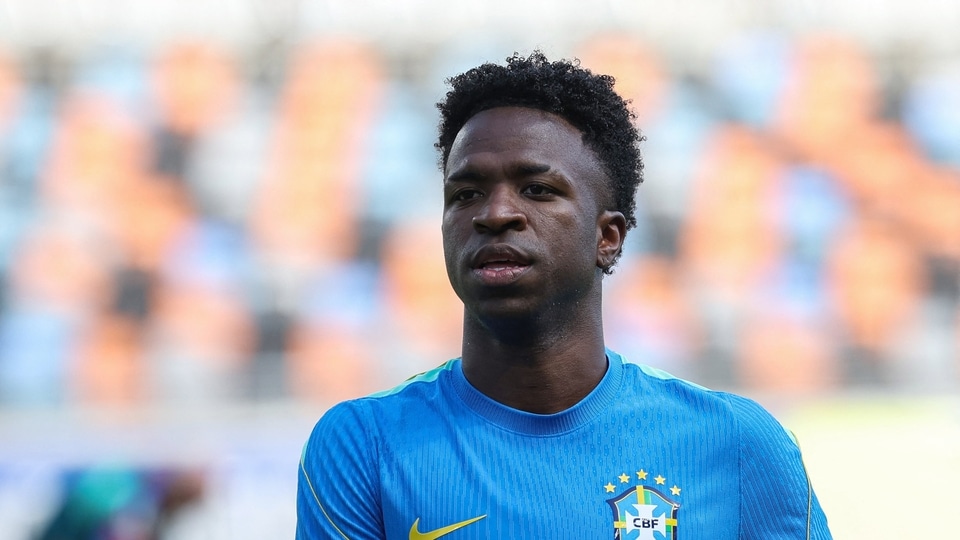
But knockout football does not judge teams only by scorelines. It judges weak phases, bad match-ups and the spaces a disciplined opponent can repeatedly attack. That is why the Japan match is not a soft landing for Brazil. It is a tactical examination.
Japan do not carry Brazil’s mythology, but they carry enough structure, speed and memory to make this uncomfortable. Their 3-2 comeback win over Brazil last October was not a World Cup match, but it remains relevant because of how it happened: Brazil lost control after leading 2-0. That is the theme around this team. Brazil have enough individual brilliance to damage anyone. The bigger question is whether they have enough collective control to stop a sharp opponent from dragging them into chaos.
Brazil’s wide areas remain the first pressure point
Brazil’s biggest visible weakness is still the full-back zone. On paper, they have elite centre-backs and one of the world’s safest goalkeepers behind them. But the spaces outside the centre-backs have looked less secure than the names around them suggest.
The Morocco match exposed that clearly. Morocco repeatedly attacked the channels, forced Brazil’s defensive line to turn, and made the opening stages feel nothing like a controlled Brazilian performance. The issue was not simply that Morocco had chances. It was that Brazil looked stretched before they looked settled.
That matters even more against Japan. Hajime Moriyasu’s side are not built to dominate the ball for long spells in the Brazilian half. They are built to wait, spring, overload wide areas, and attack the second phase. Japan’s wing-backs and inside forwards can turn a loose Brazilian full-back position into a direct route toward goal.
For Brazil, that creates a delicate tactical problem. If the full-backs stay conservative, Brazil’s attacking width becomes predictable and Japan can crowd Vinicius Junior’s side. If the full-backs push high, Brazil risk leaving exactly the space Japan want to attack. This is where Raphinha’s injury concern hurts Brazil beyond the obvious. Without his right-side rhythm and defensive work, Brazil’s balance can tilt too heavily left, making the right flank less threatening and the defensive transition more fragile.
The midfield has quality, but not always tempo
The second concern is Brazil’s midfield control. Casemiro, Bruno Guimaraes and Lucas Paqueta give Brazil experience, bite and creative flashes. But the unit can look heavy when the opposition press with speed and courage.
Against Morocco, Brazil were not simply opened up at the back; they were disrupted before the ball reached the back line. When the midfield was forced into rushed decisions, Brazil’s structure became stretched. The first pass out was not always clean, the second ball was not always secured, and the team often needed individual recovery rather than positional control.
This is where Ancelotti’s Brazil still looks like a work in progress. The team has moved away from pure chaos, but it has not yet become a side that can slow or speed the match at will. That is essential in knockout football. The best teams do not merely attack well; they decide when the game breathes.
Japan will test that. Their pressure is not always wild or high, but it is coordinated. They know when to trap wide, when to collapse around the receiver, and when to turn a loose midfield touch into a forward run. Brazil cannot afford a slow circulation game where Casemiro receives under pressure, Bruno is forced backwards, and Paqueta has to create from broken positions.
The solution is not just technical. It is positional. Brazil need shorter distances between midfielders, cleaner support behind the first pass, and quicker switches before Japan’s block can slide across. If Brazil need Vinicius to beat two players every time the ball reaches the left, the midfield has already failed its job.
Vinicius is Brazil’s weapon, but also their warning sign
The third problem is the most complicated because it begins as a strength. Vinicius Junior has been Brazil’s most decisive player at this World Cup. His goals, directness and fear factor have given Ancelotti a clear attacking reference. Every opponent knows where the danger begins.
But that is also the danger for Brazil. The attack is becoming too Vini-centric.
This does not mean Vinicius is doing too much wrong. It means Brazil are asking too much of one lane. Too many attacks are flowing left. Too many possessions are waiting for him to create separation. Too many defensive schemes against Brazil can begin with the same instruction: crowd Vinicius, delay him, force Brazil to prove the other side can hurt you.
Cunha’s goals have helped, but the knockout question is different from the group-stage question. Can he still provide a reliable penalty-box presence when Brazil are not creating freely? Can the right flank stretch Japan enough? Can Neymar, still returning physically, offer control between the lines without slowing Brazil’s transitions?
Neymar’s return gives Brazil imagination, but it also introduces a tactical choice. If he starts or plays heavy minutes, Brazil gain passing craft and central gravity. But they may also lose some pressing sharpness and vertical speed. If he stays as an impact option, Brazil retain athletic rhythm but may again become dependent on Vinicius for invention.
That is the balance Ancelotti must find. Brazil do not need to become more spectacular against Japan. They need to become harder to read.
The danger before this match is not that Brazil lack stars. It is that their stars are still doing too much of the structural work. Japan will not fear the shirt, and they will not panic if Brazil have more possession. They will wait for the full-back gap, the heavy midfield touch, the attack that leans too far left.
Brazil can absolutely win this. They have the higher ceiling, the better individuals and the player most capable of deciding the match in one action. But before Japan, their problem is clear: Brazil look powerful, not yet complete. In a knockout game, that difference can become everything.


