
 E-Paper



Apple’s newest iPhones and watches just hit stores. Should you upgrade?
Our columnist’s take on the Apple products that just hit store shelves this week, focusing on how they compare to your existing gear.


 Prefer HTon Google


To the dear readers, friends and family asking, “Should I upgrade?” consider this my official response: It depends.
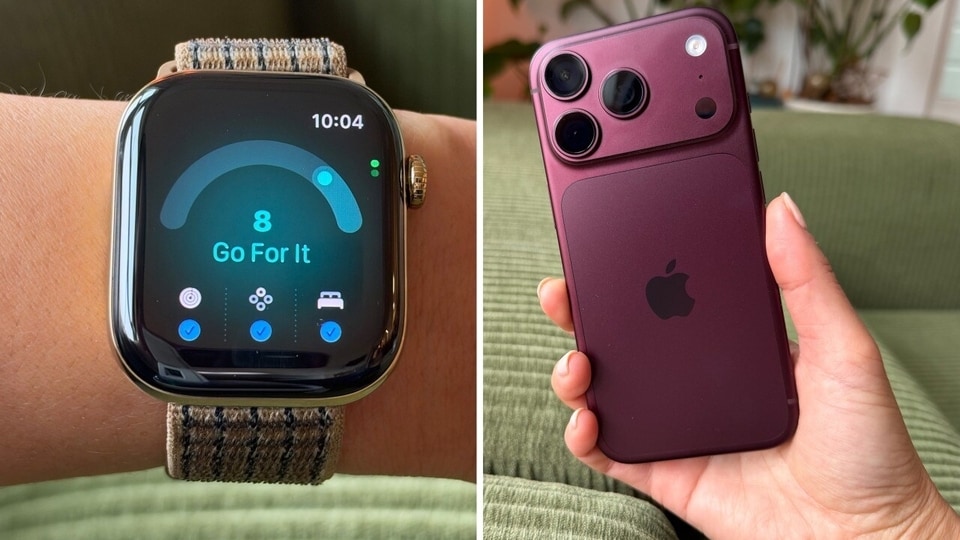
It depends on how you use your current iPhone or Apple Watch, and how old your current device is.
I’ll be reviewing the iPhone Duo later, closer to its Oct. 23 availability. For now, I can discuss the iPhone 18 Pro models, as well as the Apple Watch Series 12 and Ultra 4, which all recently came available. Here are more elaborate answers to the top questions from my live reader Q&A.
iPhone 18 Pro and 18 Pro Max
“The Duo got all the attention, but what about the 18 Pro?”
Compared with last year’s 17 Pro models, the new 18 Pros look the same but have a better camera, more battery life (three more hours of video playback in the Pro, and six more hours in the larger Pro Max) and a slightly smaller Dynamic Island.
The headline is the main camera’s new variable aperture. There are now tiny blades around the lens that can open and close to control the light coming in, like a traditional camera. In older models, the aperture is fixed.
I’m certain a more technically proficient photographer would make better use of these controls. For testing, I kept the aperture setting on Auto.
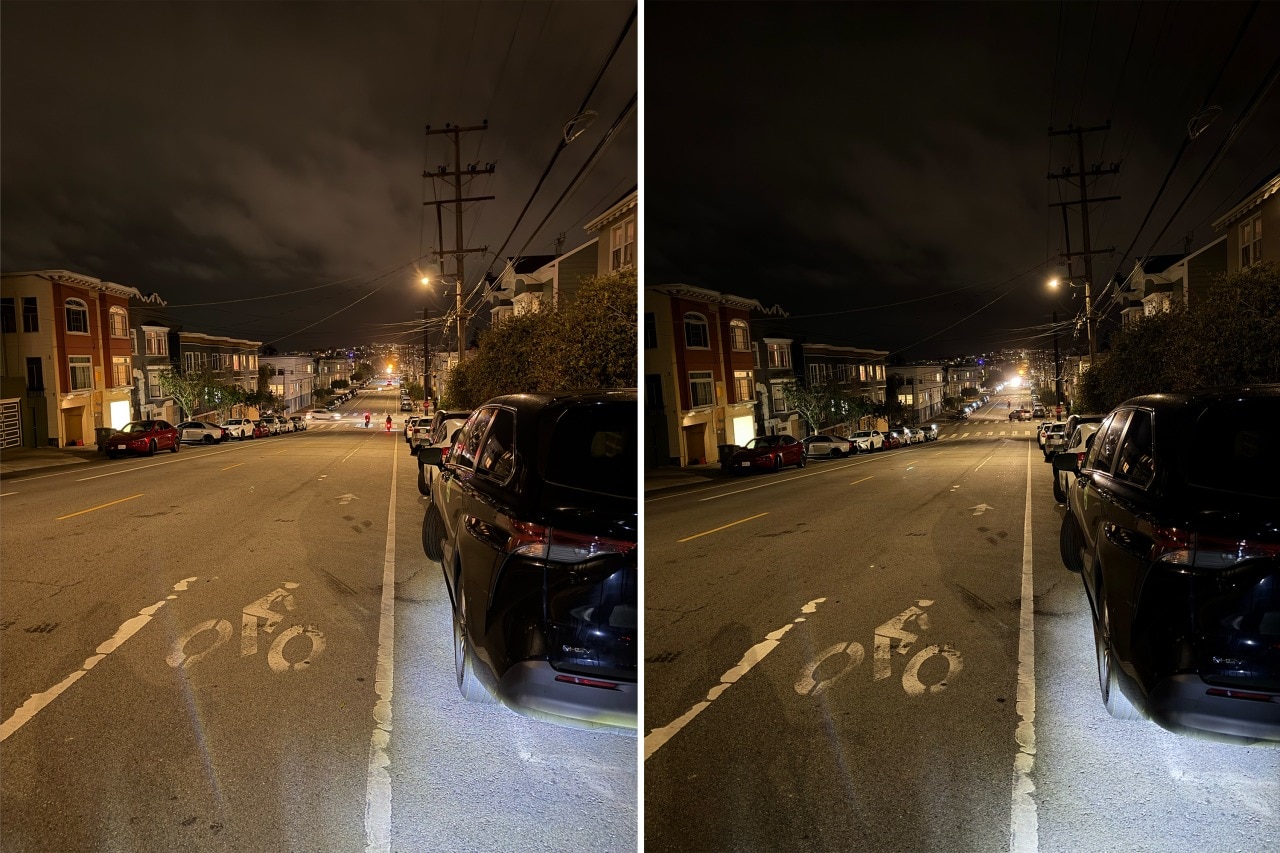
The difference is subtle, though less so on nighttime shots. In the 18 Pro image, the details are sharper. That said, if you can’t tell which is better, you’re getting the picture: The 17 Pro already had a great camera system, and this is a marginal upgrade unless you’re coming from an older iPhone.
The 18 Pro also has a new A20 Pro chip. In benchmark tests, it is impressive but in my day-to-day, it was hard to notice performance improvements over last year’s iPhone 17 Pro.
Apple says the chip unlocks more AI capabilities. I think app developers have yet to take advantage of it. So another reason to upgrade might be for AI tools that don’t exist yet.
“Is it worth looking for an iPhone 17 Pro? The 18 Pro doesn’t seem to be that much of an upgrade.”
Last year’s iPhone 17 Pro was one of my favorite iPhone releases, and came with substantial upgrades. The selfie camera got bumped up to 18 megapixels and the rear telephoto camera increased to 48 megapixels, with 8X zoom.
The 17 Pro was also the first device capable of running Apple’s most advanced on-device model (called AFM Core 3 Advanced) for more accurate dictation, and presumably more features to come. The 18 Pro models and Duo can run it, too.
If you are super-dependent on your phone for work, you could argue that the marginal gains of the 18 Pro are worth it. But if you just want to get in on the newer look and last year’s meaningful bump-up, a 17 Pro is a great upgrade, and you might find decent deals on refurbished models.
If you’re looking to save, the 16 Pro or 15 Pro would be affordable alternatives. If you go any older, you’ll miss out on the increasing slate of Apple Intelligence features.
Don’t want to go Pro? Apple has yet to release its basic iPhone 18—we expect that this spring—but the iPhone 17 and iPhone 17e are still current. Just note, Apple raised prices $100 on both of those models. It also still sells an iPhone 16, though it raised the price on that, too.
Apple Watch Series 12 and Ultra 4
“What’s new?”
The Series 12 and Ultra 4 look like many past Apple Watches. But flip them over, and there’s a redesigned sensor array that can capture more frequent data. Apple claims these now have the most accurate wearable heart-rate trackers.
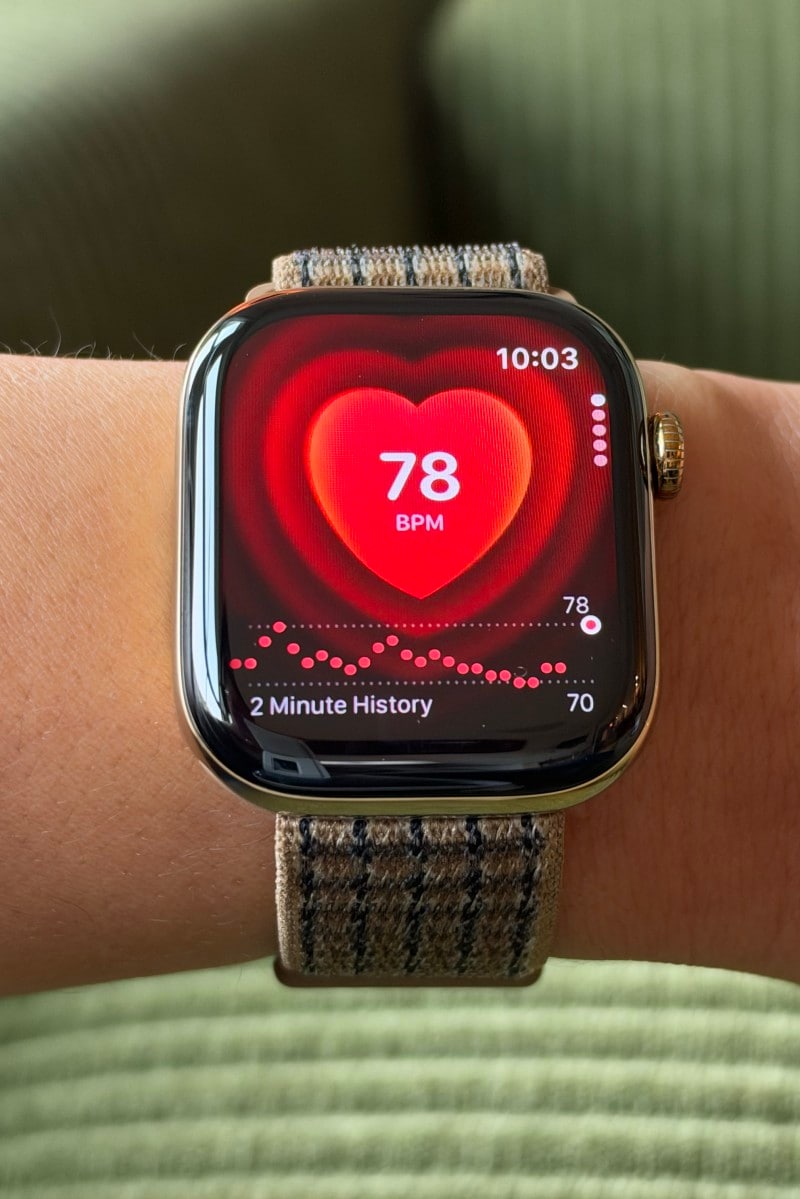
From my initial testing with indoor cycling and Pilates, the Series 12 did well: Over 97% of the readings within five beats per minute of my Polar H10 chest strap, the gold standard for heart-rate capture.
However, the Google Fitbit Air on my wrist was just as accurate, and the Garmin Cirqa on my bicep only fell short a bit.
Sumbul Desai, Apple’s vice president of health and fitness, told me that the Apple Watch algorithms for step-counting have been updated to be more accurate, even on older models. For example, aggressive knitting now won’t be counted as steps—and stroller walking will.
I was most looking forward to trying Readiness, a Series 12 and Ultra 4 feature that’s long been available in competing wearables. A high score means you’re ready for intense exercise, while a low score indicates your body needs rest. It’s based on recent fitness activity, as well as heart-rate variability, wrist temperature and other biometrics.
And it can change throughout the day: Recently, I woke up to an 8 out of 10. The Apple Watch nudged me to “Go for it,” which was enough motivation to tackle a tough indoor interval workout on the bike. Later, my score dropped to 4 (“Pace yourself”)—the perfect excuse to hit the hay early.
The latest software, WatchOS 27, is available for models going back to the SE 3 and Series 9. The Series 12 or Ultra 4 is worth the upgrade if your watch is older than that, or if you’re serious about health and fitness. (If you just need a battery boost, a replacement costs $99.)
“What about the other Watch stuff that was announced?”
Readiness will also be prominently featured in the AI-infused redesign of the Health app, coming later this year. If you don’t have a new Apple Watch, you’ll instead see Vitals, which compares your overnight metrics to previous nights.
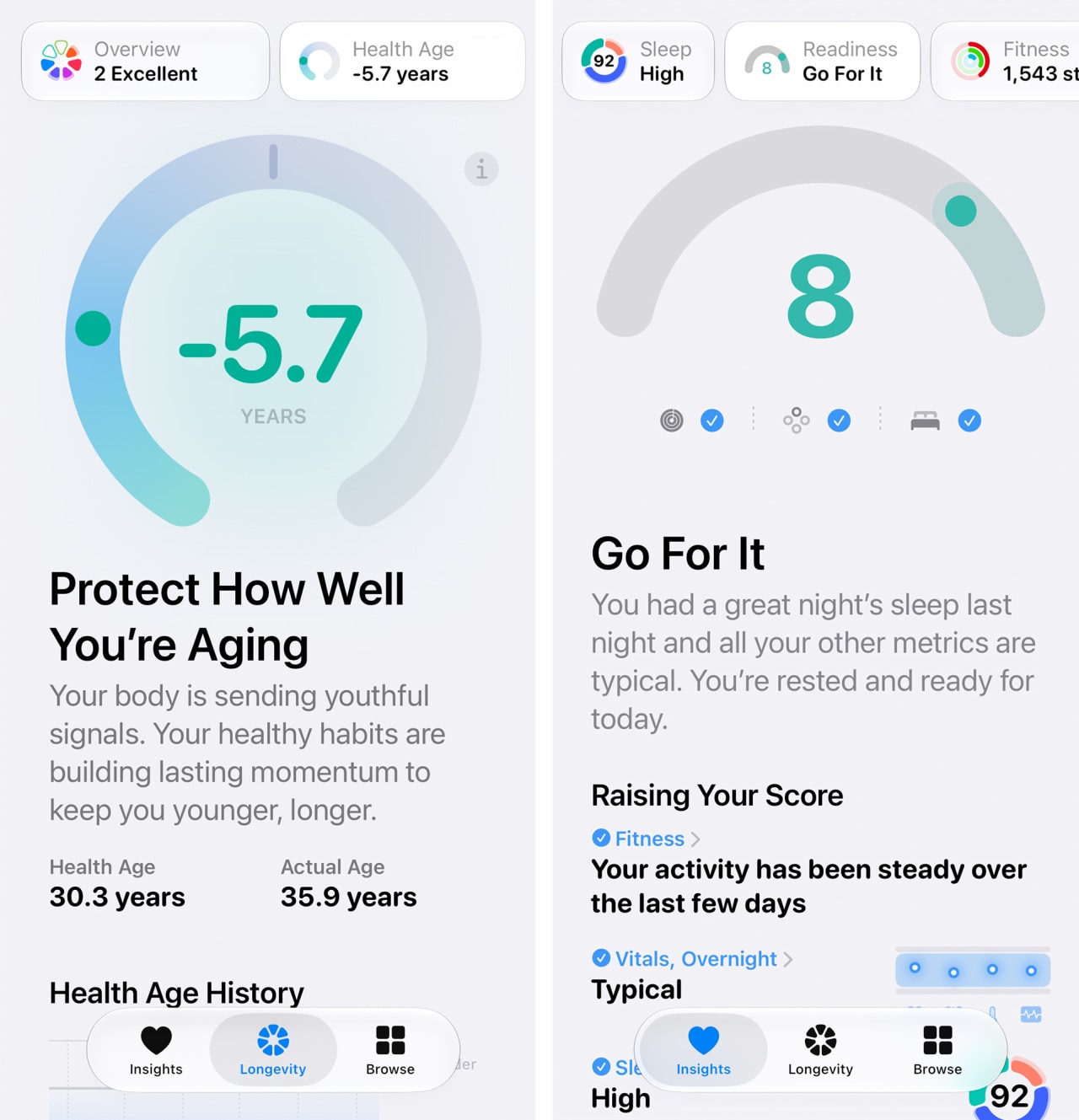
From the developer beta preview, I got some great news: I’m aging backward. According to Apple’s new Health Age stat, I’m younger than my chronological years on Earth because of metrics like my cardio fitness, but my LDL cholesterol, based on lab work that I uploaded, could use some work.
Stay tuned for a bigger piece on the Health app and the watch’s upcoming AI features, which include the always-listening Siri Recap, Live Rewind and Sound Recognition.
Write to Nicole Nguyen at nicole.nguyen@wsj.com


