
 E-Paper



New law allows Centre to control all telecom networks in times of emergency
According to the notification, the government may take control of the telecom services on the grounds of security, public order, or prevention of offences.

 Prefer HTon Google


The Telecommunications Act 2023, set to be effective from June 26, allows the central government to take control of any telecommunications services or networks in times of emergency. According to the notification, the government may take control of the telecom services on the grounds of security, public order, or prevention of offences, reported news agency ANI.
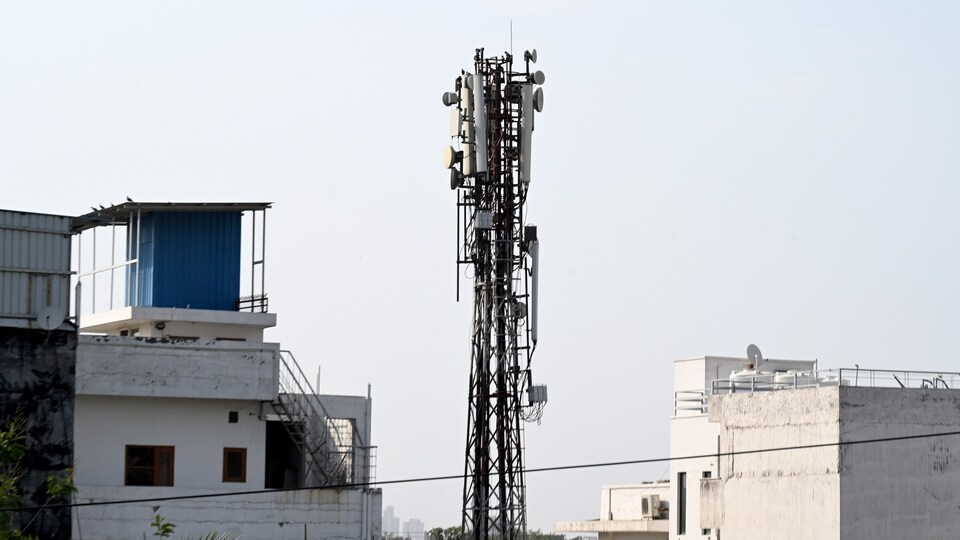
The Centre, though partially, notified the Telecommunications Act on Friday, and its provisions including sections 1, 2, 10, and 30 will be in place.
"The Central government hereby appoints the 26th day of June 2024, as the date on which the provisions of sections 1, 2, 10 to 30, 42 to 44, 46, 47, 50 to 58, 61 and 62 of the said Act shall come into force," the Gazette notification said.
ALSO READ| Multiple sections of Telecom Act to come into effect from June 26
What Section 20 of the Telecommunications Act 2023 says
According to Section 20 of the Telecommunications Act 2023, the Central Government or a State Government can take temporary possession of any telecommunication service or telecommunication network from an authorised entity.
"On the occurrence of any public emergency, including disaster management, or in the interest of public safety, the Central Government or a State Government or any officer specially authorised in this behalf by the Central Government or a State Government can take temporary possession of any telecommunication service or telecommunication network from an authorised entity; or provide for appropriate mechanisms to ensure that messages of a user or group of users authorised for response and recovery during a public emergency are routed on priority," Section 20 stated.
As soon as the Act comes into effect, the Universal Service Obligation Fund will become Digital Bharat Nidhi, which can be used for funding research and development, and pilot projects instead of just supporting the establishment of telecom services in rural areas.
Under the Act, any telecom player who wants to establish or operate telecommunication networks, provide services or possess ratio equipment will have to seek authorisation by the government.
The Telecommunications Act 2023 will supersede the existing rules within the telecommunications sector, which come under the Indian Telegraph Act, 1885, and the Wireless Telegraphy Act (1933), among others.
Some other sections of the Act such as the administrative allocation of spectrum, including for the satellite services, and adjudication mechanism etc. will be notified later.


